

Human rights in Myanmar hitting a “new low”: UN
Summarized and contextualized by DistantNews.
At a glance
News
Named sources
Ongoing story
- The UN reports that Myanmar's human rights situation has deteriorated to a "new low," exacerbated by illegal mining and scam centers.
- The ruling junta's 2021 coup continues to fuel bloody turmoil and a humanitarian crisis, with ongoing military battles against pro-democracy and ethnic armed groups.
- The UN highlights widespread abuses against the Rohingya minority and the military's use of technology for surveillance, while illicit economies finance the conflict.
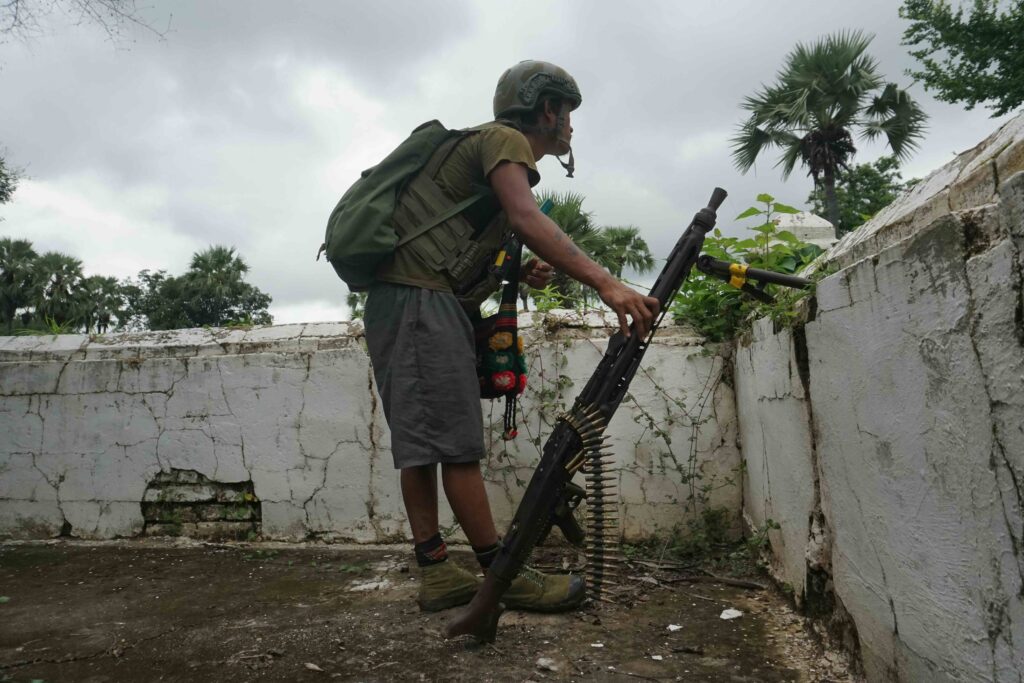
Myanmar's human rights situation has plunged to a "new low," marked by "ever-worsening brutal abuse" of the Rohingya minority and the "devastating impact" of illicit economies, the United Nations warned Tuesday. Illegal mining operations, particularly for rare earths, and widespread scam centers are significantly fueling the ongoing crisis.
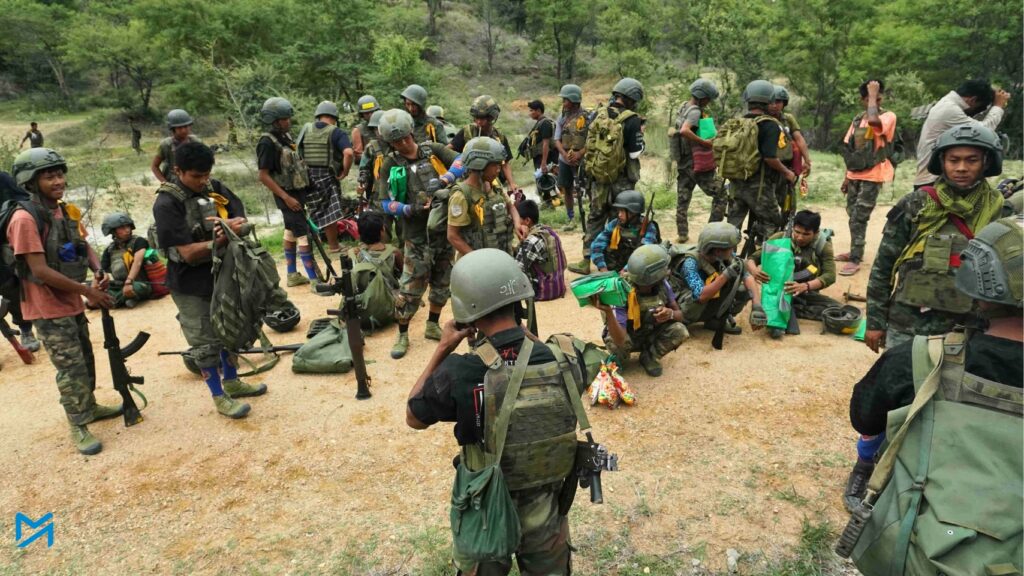
The nation has been in turmoil since the military seized power in a February 2021 coup, ousting Aung San Suu Kyi's elected government and ending a decade of democratic transition. The conflict has escalated into bloody battles between the military and various pro-democracy and ethnic-minority armed groups. Over the past five years, an estimated 100,000 people have been killed across the country.
The military’s persistent quest for control and legitimacy has only deepened the suffering and the multiple life-threatening protection and humanitarian concerns civilians face.
UN High Commissioner for Human Rights Volker Turk described the situation in a report covering June 2025 to May 2026 as "heartbreaking," depicting suffering and cruelty on multiple levels. He urged states, companies, and investors to "undertake serious soul-searching" regarding their actions or inaction toward Myanmar.
I call on all states, companies and investors to undertake serious soul-searching with respect to their actions, or inaction, to ask: is this fair and just for the people of Myanmar?
Coup leader Min Aung Hlaing, who appointed himself president in April, is actively seeking international recognition through diplomatic outreach. However, the UN report states that the military's "persistent quest for control and legitimacy has only deepened the suffering" of civilians. Military tactics, including airstrikes, arson, and forced displacement, are intensified by expanded surveillance capabilities facilitated by new technologies.
The report details systematic abuses against the Rohingya, committed by both the military and the Arakan Army. Furthermore, illicit economies, including drug production and human trafficking, are financing the conflict. James Rodehaver, head of the UN rights office's Myanmar team, noted that local communities are increasingly reliant on scam centers, which are investing in local infrastructure like roads and schools to gain legitimacy. Financial investigations reveal a complex network of illicit gains and impunity, despite limited official records.
building roads, schools and freshwater wells as a way to endear themselves to the local community and increase their legitimacy
DistantNews Editorial
Originally published by Myanmar Now. Summarized and contextualized by our editorial team with added local perspective. Read our editorial standards.
More Stories
From Our Blog

The Critical Role of Diaspora Media in Global News

Countries Without a Free Press: What You Need to Know

What Gets Lost (and Found) When News Is Translated

What Travellers Should Know About Countries with Restricted Press

A Digital Nomad's Guide to Following Local News
