

Hundreds of Households Struggle with Lack of Productive Land Years After Hydropower Relocation
Translated from Vietnamese, summarized and contextualized by DistantNews.
At a glance
News
Sources not specified
Context piece
- Hundreds of households in Nghệ An province, Vietnam, face hardship due to a lack of productive land, 14 years after relocating for the Hủa Na hydropower project.
- Relocated families received small plots of residential and agricultural land, but the allocated forest land cannot be converted for production, leaving them with insufficient resources.
- Many residents struggle with basic needs like food and water, forcing younger generations to seek work elsewhere and older residents to rely on temporary jobs or foraging.
Fourteen years after relocating to make way for the Hủa Na hydropower project, hundreds of households in Nghệ An province, Vietnam, are grappling with severe difficulties due to a persistent lack of productive land. Residents of Tiền Phong and Thông Thụ communes, who moved from their original homes in Đồng Văn, find themselves in a precarious situation, struggling to sustain themselves on the land they were allocated.
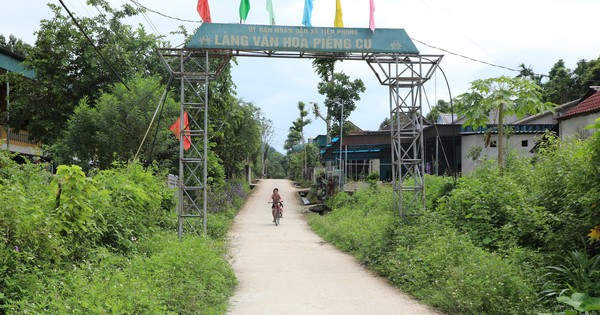
Families like Lô Văn Kỳ's were moved to the Piêng Cu resettlement area in 2012. Each household received 400 square meters of residential land, 200 square meters of paddy field per person, and 2-3 hectares of forest land per family. While initially assured of a better life, the reality has been starkly different. "The productive land is too little, making life very difficult," Kỳ stated, reflecting the sentiment of many.
Lúc đó, cũng vì lợi ích chung và được giải thích là cuộc sống ở khu tái định cư sẽ tốt hơn nên chúng tôi không đắn đo gì nhiều mà sẵn sàng di dời để xây thủy điện. Tuy nhiên, ra đây, đất sản xuất quá ít nên cuộc sống gặp nhiều khó khăn.
Kỳ's family found that their paddy fields could not produce enough rice to feed them. The allocated forest land, located about 3 kilometers away, was designated as natural forest, prohibiting conversion to productive forest. Consequently, dozens of families are restricted to merely protecting the existing trees and receive a meager annual compensation of 400,000 Vietnamese đồng per hectare. This situation forces many, including Kỳ and his wife, to seek work as laborers to make ends meet.
Thay vì phát cây để trồng keo, hàng chục hộ dân chúng tôi phải khoanh nuôi, bảo vệ và chỉ nhận được mức thù lao mỗi năm 400.000 đồng/ha.
Compounding the issue of insufficient land for agriculture, many residents also face a critical shortage of clean drinking water, especially during the dry season. Although the Hủa Na hydropower project initially provided 12 water wells, many have since dried up. Subsequent attempts by local authorities to drill new wells have been unsuccessful. A flood in 2025 damaged the existing gravity-fed water system, further exacerbating the scarcity. Despite temporary repairs, the water supply remains inadequate, compelling residents to dig their own wells, often with little success due to low groundwater levels.
The lack of viable livelihood options has led many young people to leave their villages for industrial zones, seeking employment as factory workers. Those who remain, like Kỳ, take on odd jobs or rely on seasonal foraging for income. "In our old village, we had plenty of land and many fields, so we never lacked rice. There was also plenty of food from the river and the forest. Here, the roads are better, but making a living is very hard," Kỳ lamented. Bà Vi Thị Viêng, a neighbor, echoed these sentiments, stating that even with a good harvest, their paddy fields are insufficient, and the forest land offers no opportunity for cultivation, leaving them with little choice but to forage.
Ở quê cũ, đất rộng, nhà có nhiều rẫy nên không bao giờ bị thiếu gạo. Thức ăn cũng nhiều vì có cá dưới sông, măng trong rừng. Đến đây, đường sá đi lại thuận lợi hơn, nhưng làm ăn khó khăn lắm.
DistantNews Editorial
Originally published by Thanh Niên in Vietnamese. Translated, summarized, and contextualized by our editorial team with added local perspective. Read our editorial standards.
More Stories
From Our Blog

What Gets Lost (and Found) When News Is Translated

The Critical Role of Diaspora Media in Global News

What Travellers Should Know About Countries with Restricted Press

A Digital Nomad's Guide to Following Local News

How the Same Story Looks Different in Different Countries
