


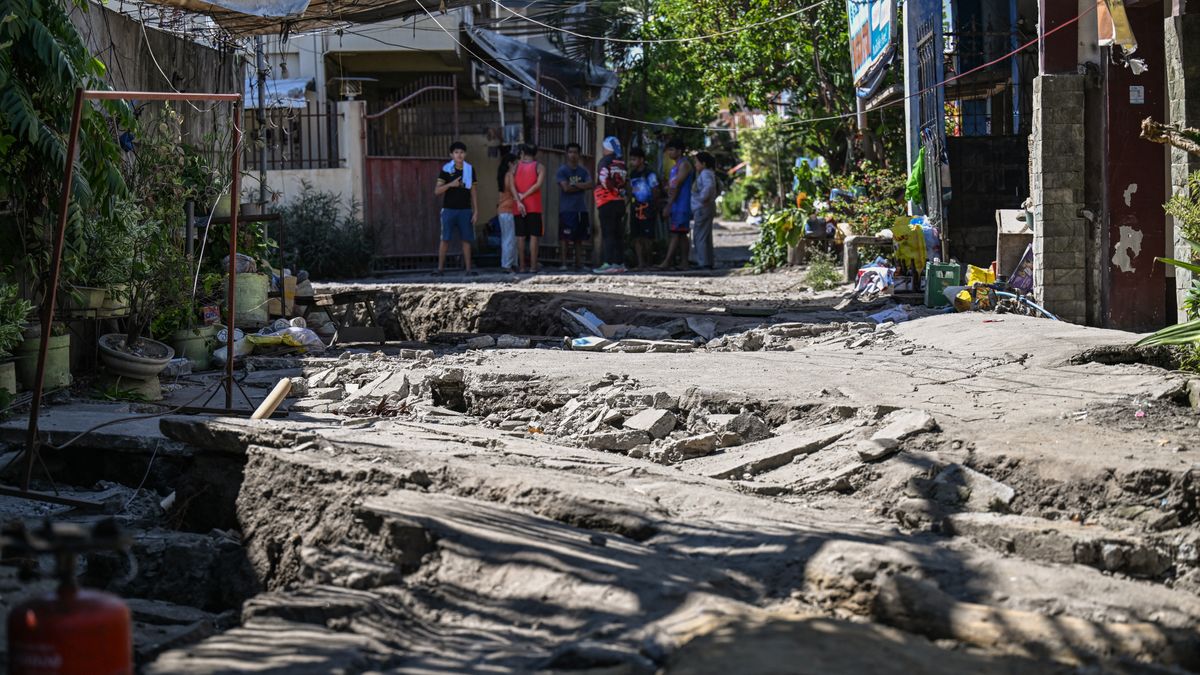
Hungary faces greater earthquake risk than commonly believed
Translated from Hungarian, summarized and contextualized by DistantNews.
At a glance
News
Sources not specified
Context piece
- Hungary is located in a geologically stable part of the Carpathian Basin, far from active fault lines, making major earthquakes like those in Japan or California unlikely.
- Despite its stability, internal tectonic pressures cause minor tremors annually, with significant, damaging earthquakes occurring only once or twice per decade.
- Historical records show devastating earthquakes in Hungary, including a 6.2-magnitude quake in Komárom in 1763 that killed over sixty people, and significant quakes in Kecskemét (1911) and Dunaharaszti (1956).
Hungary is fortunate to lie within the Carpathian Basin, away from major fault lines, shielding it from the catastrophic mega-quakes seen in places like Japan or California. However, the region is not entirely static.
The Adriatic plate is continuously rotating and pushing northward, compressing the rock formations beneath the Carpathian Basin. This internal stress generates earthquakes within Hungary.
While seismic stations register 100-200 minor tremors annually, most are unfelt by the public. Major, damaging earthquakes are rare, occurring only once or twice every decade.
Despite a tendency to believe nothing significant can happen in Hungary, historical events tell a different story. The country's most destructive documented earthquake struck Komárom in 1763 with an estimated magnitude of 6.2-6.3. This event devastated much of the town, toppled church towers, and claimed over sixty lives.
More recent significant earthquakes include the 1911 quake in Kecskemét (5.6 magnitude) and the 1956 event in Dunaharaszti (5.6 magnitude), both causing severe building damage. Even in August 2023, an earthquake exceeding magnitude 4 occurred near Gyomaendrőd, demonstrating that subterranean forces remain active.
DistantNews Editorial
Originally published by Magyar Nemzet in Hungarian. Translated, summarized, and contextualized by our editorial team with added local perspective. Read our editorial standards.
More Stories


From Our Blog

Countries Without a Free Press: What You Need to Know

What Press Freedom Means for the News You Read

What Gets Lost (and Found) When News Is Translated

The Critical Role of Diaspora Media in Global News

What Travellers Should Know About Countries with Restricted Press
