

Hungary's energy crisis: A background of past decisions
Translated from Hungarian, summarized and contextualized by DistantNews.
At a glance
Opinion
Sources not specified
Context piece
- Hungary faces energy challenges due to past decisions that prioritized civil sentiment over expert advice regarding water management and energy infrastructure.
- The article criticizes the halting of planned water steps and the inadequate solutions for cooling water needs of the Paks nuclear power plant.
- It highlights Hungary's reliance on energy imports despite sufficient nominal domestic capacity, due to maintenance and intermittent renewable sources.
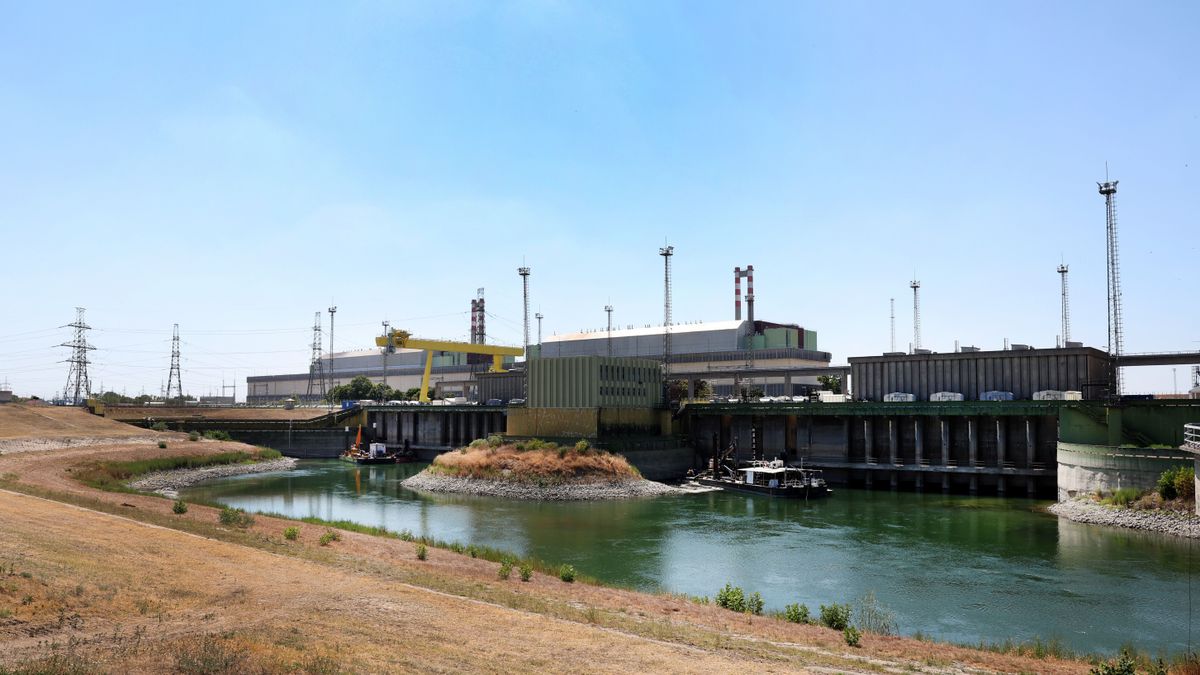
Hungary's current energy challenges are rooted in past decisions that sidelined expert opinions in favor of public sentiment, particularly concerning water management and energy infrastructure. The article points to two planned water steps at Fajsz and Adony, which, if built, could have provided sufficient water for cooling the Paks nuclear power plant, supported Danube navigation, and prevented further drops in groundwater levels.
The author criticizes the halting of these projects, attributing it to decision-makers listening more to certain NGOs and influencers than to specialists. Despite academician Emil Mosonyi, a designer of the water step system, explaining their significance, the policy continued even after the partially built Bős-Nagymaros water steps were halted by then-Prime Minister Miklós Németh. The Antall government continued this policy, ignoring Mosonyi's counsel.
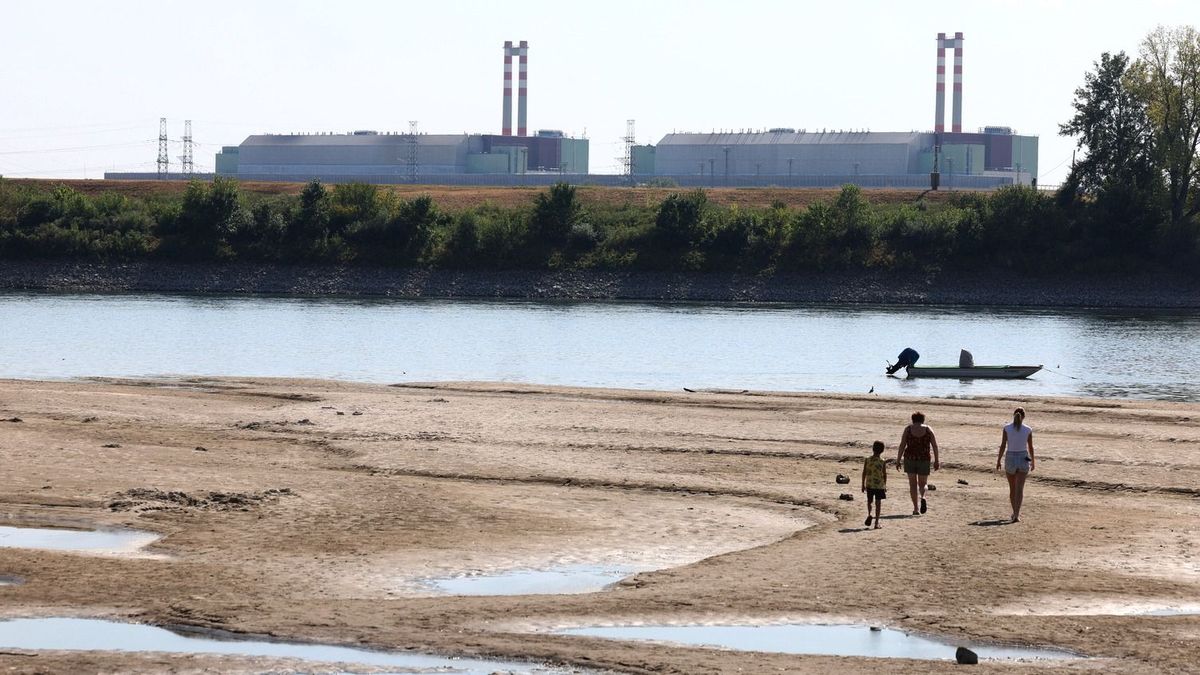
Regarding the Paks nuclear power plant's cooling water, the article suggests that the criticism of excessive water warming could have been, and still can be, addressed through solutions like cooling ponds or diverting 100 cubic meters per second of cooling water under the Danube to the Homokhátság region. This would also help alleviate water shortages in the Tisza river basin, where precipitation is expected to decrease.
Hungary's average electricity demand is 5 GW, with 4 GW produced domestically and 1 GW imported. Despite nominal domestic capacity exceeding demand, imports are necessary because power plants cannot operate continuously. Maintenance, potential breakdowns, and the intermittent nature of solar and wind power reduce usable capacity significantly. For instance, solar power is only available 12-14% of the time, and wind power up to 20-25%. The article illustrates the storage challenge by noting that storing the surplus energy from 8 GW of solar capacity on a sunny July day would require battery storage capacity roughly 40 times greater than currently available.
DistantNews Editorial
Originally published by Magyar Nemzet in Hungarian. Translated, summarized, and contextualized by our editorial team with added local perspective. Read our editorial standards.
More Stories


From Our Blog

Countries Without a Free Press: What You Need to Know

What Press Freedom Means for the News You Read

What Gets Lost (and Found) When News Is Translated

The Critical Role of Diaspora Media in Global News

What Travellers Should Know About Countries with Restricted Press
