



Hungary's Paks Nuclear Power Plant Faces Shutdown Amidst Danube Drought
Translated from German, summarized and contextualized by DistantNews.
At a glance
News
Sources not specified
Ongoing story
- Hungary's sole nuclear power plant in Paks is preparing to shut down due to critically low water levels in the Danube River.
- The plant is currently operating at only a quarter of its capacity, and a full shutdown could occur this weekend.
- The government is implementing energy-saving measures, including reduced rail freight and encouraging home office work, to stabilize the power grid.
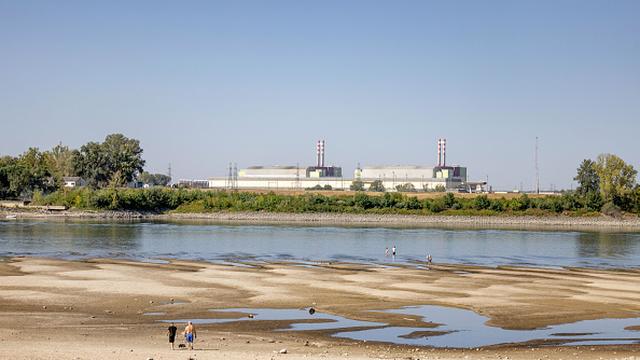
Hungary's only nuclear power plant, located in Paks, is on the verge of shutting down as critically low water levels in the Danube River threaten its cooling systems. Prime Minister Péter Magyar announced Saturday that engineers had further reduced the plant's output overnight due to the falling river levels.
The four Soviet-era reactors at Paks, which normally supply about 40% of Hungary's electricity, are currently running at only a quarter of their total two-gigawatt capacity. The plant requires significant amounts of cooling water from the Danube, which has reached historic lows in many areas after weeks of drought. The plant operator deemed the shutdown, the first in 44 years of operation, "unavoidable."
The water level of the Danube has continued to drop. Therefore, the engineers at the Paks power plant have further throttled production overnight.
Adding to the energy concerns, a malfunction at Hungary's largest gas power plant in Szazhalombatta, with a capacity of 400 megawatts, also occurred. While this issue is expected to be resolved by Sunday, additional measures are necessary to stabilize the national power grid.
The first shutdown after 44 years of operation is unavoidable.
The energy crisis could cost Hungary between 100 billion and 200 billion forints (approximately $275 million to $550 million) due to soaring imported electricity prices. Magyar warned that the Paks plant could remain offline for weeks. His cabinet will issue a decree mandating large industrial companies to reduce their electricity consumption, supplementing voluntary demand cuts.
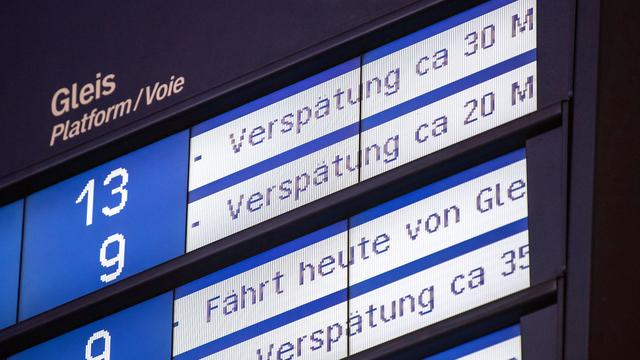
To conserve power, freight train services will be suspended for five hours each afternoon starting Monday. Government employees will also be required to work from home for the first three days of the week, and businesses are urged to follow suit. Non-essential lighting, including floodlights on public buildings, will be turned off. Hungarians in drought-affected regions are also asked to reduce water consumption, with Magyar emphasizing, "Every drop of water counts."
Every drop of water counts.
DistantNews Editorial
Originally published by Der Spiegel in German. Translated, summarized, and contextualized by our editorial team with added local perspective. Read our editorial standards.
More Stories

From Our Blog

What Gets Lost (and Found) When News Is Translated

How the Same Story Looks Different in Different Countries

The Critical Role of Diaspora Media in Global News

What Travellers Should Know About Countries with Restricted Press

A Digital Nomad's Guide to Following Local News
