


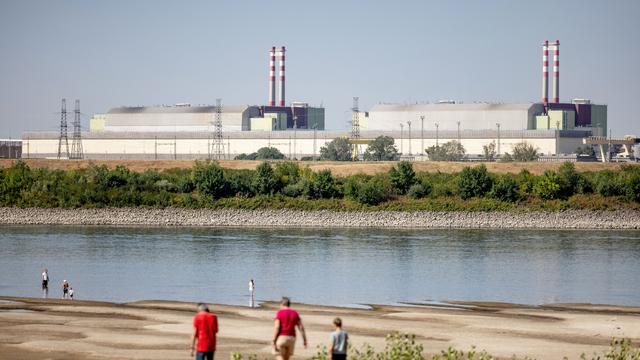
Hungary Shuts Nuclear Plant as Danube River Levels Plummet
Translated from German, summarized and contextualized by DistantNews.
At a glance
News
Sources not specified
Outcome reported
- Hungary has shut down its sole nuclear power plant, Paks, due to critically low water levels in the Danube River caused by a heatwave.
- The plant, which supplies nearly half of Hungary's electricity, was taken offline earlier than planned.
- Neighboring Romania and other European countries have also faced similar shutdowns of nuclear reactors due to high temperatures and low river levels.
Hungary has completely shut down its Paks nuclear power plant due to critically low water levels in the Danube River, a consequence of the ongoing heatwave and drought. Prime Minister Péter Magyar announced that the facility would cease operations on Sunday, marking the first time in nearly half a decade it will be non-operational.
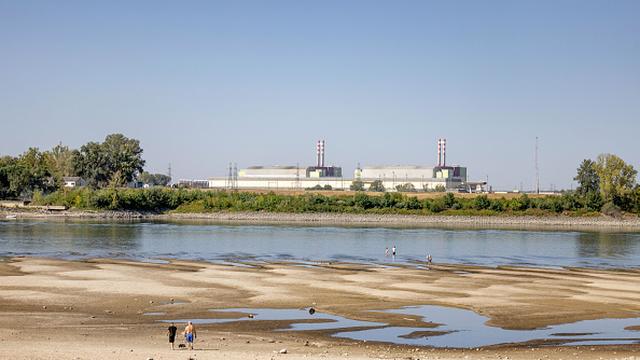
The plant's operator had previously deemed the shutdown "unavoidable" as high temperatures and lack of rain have pushed Danube water levels to historic lows in several areas. The Paks plant, which generates almost half of Hungary's electricity, had already reduced its output. Magyar has urged industries to decrease their power consumption and announced energy-saving measures, including turning off public building lights.
The water shortage is also impacting shipping and tourism along the Danube in Hungary. This situation mirrors challenges faced by other European nations. In France, a reactor at the Golfech nuclear power plant was shut down due to high temperatures. Similarly, Switzerland's Beznau nuclear plant was temporarily taken offline during a June heatwave.
Romania also recently shut down both reactors at its Cernavodă nuclear power plant for the first time due to low Danube levels, a measure stipulated for severe drought conditions. Water flow on the Romanian border measured 1,650 cubic meters per second on Tuesday, significantly below the July average of 4,750 cubic meters. A further decrease to 1,500 cubic meters is expected by August 4, approaching the historical low of 1,400 cubic meters recorded in 1985.
DistantNews Editorial
Originally published by Die Zeit in German. Translated, summarized, and contextualized by our editorial team with added local perspective. Read our editorial standards.
More Stories


From Our Blog

What Gets Lost (and Found) When News Is Translated

How the Same Story Looks Different in Different Countries

The Critical Role of Diaspora Media in Global News

What Travellers Should Know About Countries with Restricted Press

A Digital Nomad's Guide to Following Local News
