


Hungary to shut down nuclear power plant for a month; country begins saving electricity
Translated from Polish, summarized and contextualized by DistantNews.
At a glance
News
Named sources
Ongoing story
- Hungary is temporarily shutting down its sole nuclear power plant due to low water levels in the Danube River, impacting cooling systems.
- The country is implementing voluntary energy saving measures, with businesses and public institutions participating.
- This comes as Hungary faces a heatwave with temperatures expected to reach 40 degrees Celsius.
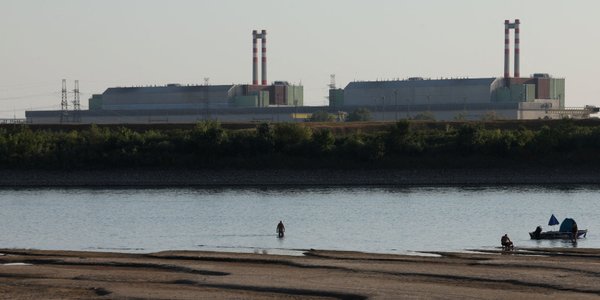
Hungary's Prime Minister announced that the country will temporarily shut down its sole nuclear power plant, located near Paks, due to critically low water levels in the Danube River. The river's water is essential for cooling the plant's reactors. Depending on the water level, the last operating turbine was set to be switched off either Sunday or Monday.
The Paks nuclear power plant generates nearly half of Hungary's electricity. Its operational capacity has been reduced in recent days. Block 1's power was lowered by 254 MW on July 27, followed by Block 3 on July 28, which was then temporarily shut down completely on July 29. On July 30, Block 2's power was reduced by 50%, leaving it as the only unit operating with 230 MW.
Depending on the water level in the Danube, the last operating turbine in the nuclear power plant will be switched off either on Sunday or Monday.
In response to potential energy shortages and a severe heatwave, Hungary is urging voluntary energy conservation. Businesses and public institutions have pledged to limit their electricity consumption. The Prime Minister reported that on August 1, peak demand was approximately 500 MW lower than forecasted due to these voluntary reductions and public solidarity. Around 300 companies had already committed to limiting consumption by August 3, joined by state-owned enterprises, local governments, social organizations, and churches.
This widespread cooperation has so far prevented the government from implementing mandatory energy-saving measures. However, the Prime Minister warned that the upcoming five days are expected to be the hottest, with temperatures potentially reaching 40 degrees Celsius and little rainfall predicted. Following this period, a slight drop in temperatures is anticipated.
Thanks to voluntary reductions in energy consumption by enterprises and social solidarity, the peak demand on August 1 was about 500 MW lower than forecasted.
DistantNews Editorial
Originally published by Rzeczpospolita in Polish. Translated, summarized, and contextualized by our editorial team with added local perspective. Read our editorial standards.
More Stories

From Our Blog

What Gets Lost (and Found) When News Is Translated

The Critical Role of Diaspora Media in Global News

What Travellers Should Know About Countries with Restricted Press

A Digital Nomad's Guide to Following Local News

How the Same Story Looks Different in Different Countries
