


'I can’t rely on a substance to escape': How former vape users are rebuilding their lives
Summarized and contextualized by DistantNews.
At a glance
News
Named sources
Ongoing story
- Singaporean former vape users are sharing their experiences with rehabilitation programs to overcome addiction.
- Counseling has helped individuals manage stress, identify triggers, and develop healthier coping strategies.
- Since enforcement intensified, 520 offenders have entered rehabilitation, with over 120 completing the program.
In Singapore, a growing number of former vape users are rebuilding their lives, finding that rehabilitation programs and counseling are key to overcoming addiction. These individuals are learning to manage stress, identify the triggers behind their cravings, and develop healthier coping mechanisms to move forward.
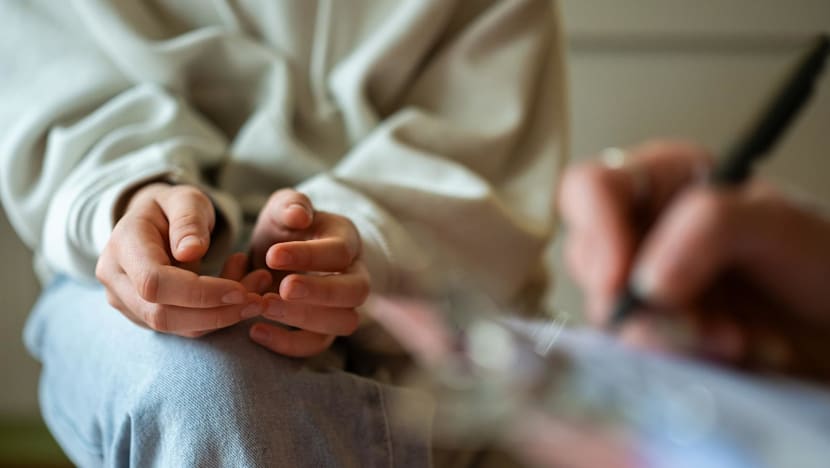
Emily, who began vaping at 13 and later used vapes laced with etomidate, described her struggle with brain fog and frequent school and work absences. "I started to vape because of stress, but after a while, it became a habit," the 19-year-old shared. "The hardest part was convincing myself I didn't need to vape." Her turning point came during a six-month rehabilitation program at the Reformative Training Centre, where weekly counseling sessions helped her address underlying stress and emotional bottling.
I started to vape because of stress, but after a while, it became a habit. The hardest part was convincing myself I didn't need to vape.
Ms. Nicolina Ng, a counselor at the National Addictions Management Service (NAMS), noted that many participants gain greater self-awareness during rehabilitation. They learn to pinpoint situations, emotions, and people that trigger their cravings. Ms. Eliza Yong, a senior counselor at NAMS, added that psychoeducation is vital, especially for younger individuals who may not understand the physiological basis of etomidate dependence. Understanding cravings and withdrawal as clinical phenomena, rather than personal failings, can significantly reframe their recovery experience.
Since Singapore stepped up its anti-vaping enforcement last September, 520 offenders have been placed in vape rehabilitation programs as of March 31. Of these, 123 have completed their rehabilitation, with a reoffending rate of 10. Research suggests that mandatory rehabilitation programs can yield outcomes comparable to voluntary ones when the therapeutic approach is appropriately tailored. For individuals like Yong Han, who started vaping at 14, changing the environment that contributed to substance use has been a significant challenge in his recovery journey.
Many participants - particularly younger individuals - may be unaware of the physiological basis of etomidate dependence, and understanding this can reframe their experience of cravings and withdrawal as clinical phenomena rather than personal failings.
DistantNews Editorial
Originally published by CNA. Summarized and contextualized by our editorial team with added local perspective. Read our editorial standards.
More Stories

From Our Blog

What Gets Lost (and Found) When News Is Translated

The Critical Role of Diaspora Media in Global News

What Travellers Should Know About Countries with Restricted Press

A Digital Nomad's Guide to Following Local News

How the Same Story Looks Different in Different Countries
