

I rejected ₦300m ransom demand for my kidnapped brothers — Zamfara Gov
Summarized and contextualized by DistantNews.
At a glance
News
Named sources
Context piece
- Zamfara State Governor Dauda Lawal refused to pay a ₦300 million ransom for his kidnapped brothers in 2019.
- He stated that paying ransoms fuels kidnapping and criminal activities, advocating for state police instead.
- Lawal's brothers were eventually released unharmed without any payment, reinforcing his stance against negotiating with criminals.
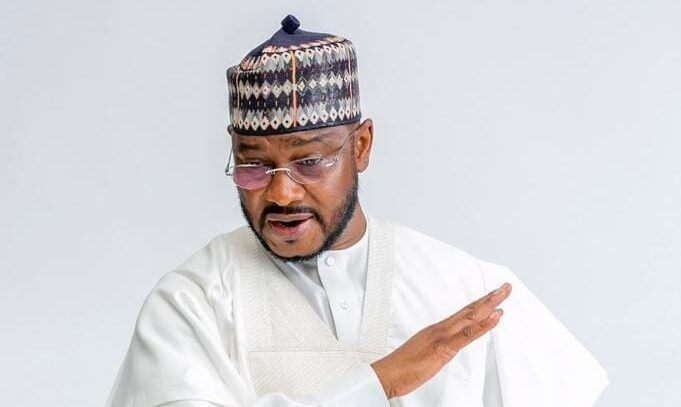
Zamfara State Governor Dauda Lawal revealed he rejected a ₦300 million ransom demand from kidnappers who abducted his brothers in 2019. He maintained his firm opposition to paying ransoms, arguing that such payments directly encourage and sustain kidnapping and other criminal enterprises.
My own brothers were kidnapped in 2019, and the kidnappers demanded about ₦300 million. I told them I was not going to pay a dime. If they wanted to kill them, they could go ahead.
Speaking at a conference on state police and national security in Abuja, Lawal recounted the ordeal of his brothers, who were held captive for approximately three months. Despite the personal distress, he refused to meet the kidnappers' financial demands. "I told them I was not going to pay a dime. If they wanted to kill them, they could go ahead," Lawal stated.
If we continue to pay ransom, we are encouraging these criminals to kidnap more people. The cycle will only continue unless we stop rewarding criminality.
His brothers were ultimately released without any ransom being paid. This outcome reinforced his conviction that negotiating with criminals creates a dangerous cycle. "If we continue to pay ransom, we are encouraging these criminals to kidnap more people. The cycle will only continue unless we stop rewarding criminality," he explained.
I will not negotiate, and I will not pay ransom to any criminal, no matter what happens.
Governor Lawal also used the platform to reiterate his support for establishing state police forces. He argued that governors require greater operational authority over security within their states, as the current system leaves them with responsibility but not command-and-control powers over security agencies. He expressed willingness to support funding for state police, believing decentralization would improve intelligence and response times in combating insecurity.
In as much as I am called the chief security officer of the state, I do not have the command-and-control authority to direct the operations of the security agencies.
DistantNews Editorial
Originally published by Vanguard. Summarized and contextualized by our editorial team with added local perspective. Read our editorial standards.
More Stories


From Our Blog

How the Same Story Looks Different in Different Countries

What Gets Lost (and Found) When News Is Translated

The Critical Role of Diaspora Media in Global News

What Travellers Should Know About Countries with Restricted Press

A Digital Nomad's Guide to Following Local News
