


IAEA informed of no damage to Sendai nuclear plant after Japan earthquake
Translated from Korean, summarized and contextualized by DistantNews.
At a glance
News
Official statement
Context piece
- The International Atomic Energy Agency (IAEA) was informed by Japan's Nuclear Regulation Committee that the Sendai nuclear power plant suffered no damage from a magnitude 7.1 earthquake.
- The plant, located about 100 km from the epicenter, is operating normally.
- The IAEA is continuing to monitor the situation following the earthquake in Kumamoto Prefecture.
The International Atomic Energy Agency (IAEA) has received notification that Japan's Sendai nuclear power plant experienced no damage or safety issues following a magnitude 7.1 earthquake. The Nuclear Regulation Committee (NRA) of Japan informed the IAEA that the plant, situated approximately 100 kilometers from the epicenter in Kumamoto Prefecture, Kyushu, is operating as normal.
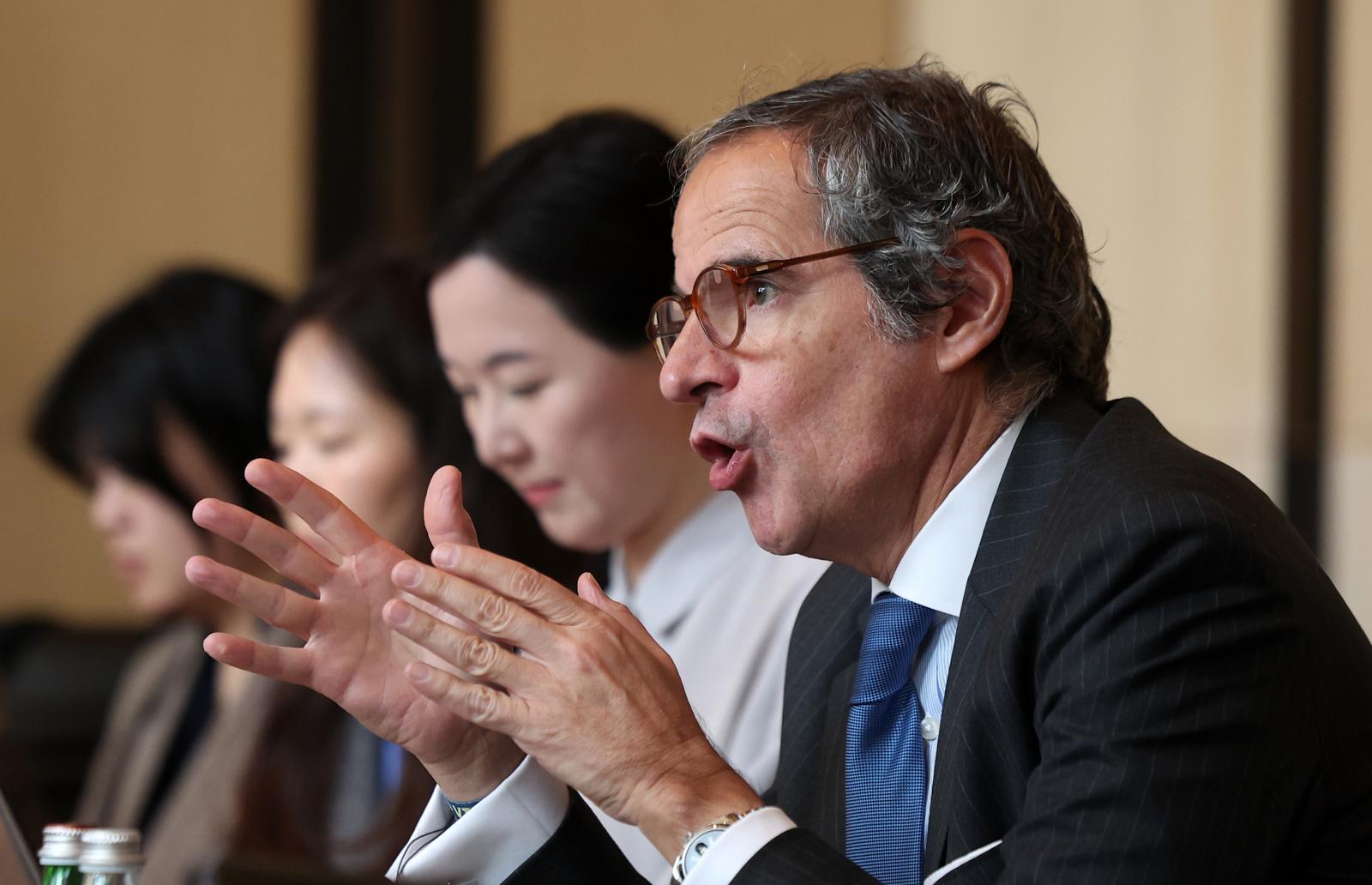
IAEA Director General Rafael Grossi stated that the agency will continue to monitor the situation closely. The earthquake, which struck Kyushu on April 28, registered a maximum seismic intensity of 7 in some areas of Kumamoto Prefecture, according to the Japan Meteorological Agency (JMA).
Seismic intensity 7 is the highest level on the JMA's scale, capable of toppling most unsecured furniture. This is the first time seismic intensity 7 has been observed in Japan in two and a half years, since the Noto Peninsula earthquake in 2024. Kumamoto Prefecture had previously experienced significant damage from a magnitude 6.5 foreshock on April 14, 2016, followed by a magnitude 7.3 mainshock two days later.
The JMA has cautioned residents to be aware of strong aftershocks for about a week, particularly in the next two to three days. A tsunami advisory was issued for parts of the western Kyushu coast but was later lifted.
We will continue to monitor the situation.
DistantNews Editorial
Originally published by Dong-A Ilbo in Korean. Translated, summarized, and contextualized by our editorial team with added local perspective. Read our editorial standards.
More Stories



From Our Blog

What Gets Lost (and Found) When News Is Translated

The Critical Role of Diaspora Media in Global News

What Travellers Should Know About Countries with Restricted Press

A Digital Nomad's Guide to Following Local News

How the Same Story Looks Different in Different Countries
