


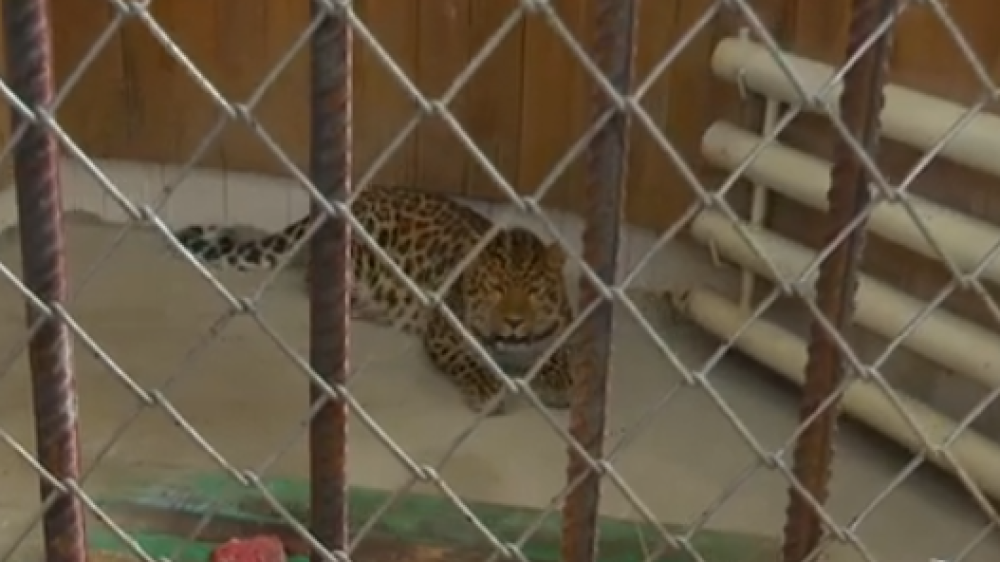
Ice cream and cold showers: heat changes animal care routine at Shymkent Zoo
Summarized and contextualized by DistantNews.
At a glance
News
Sources not specified
Context piece
- Shymkent Zoo is implementing special measures to help animals cope with abnormal heat, including offering ice cream and continuous water misting.
- Animals are struggling with the high temperatures, often seeking refuge in specially cooled rooms.
- The zoo uses various methods, such as frozen treats and water cooling, to keep its over 3,500 animals comfortable during the heatwave.
Shymkent Zoo is altering its animal care routines to combat abnormal heat, introducing unique measures like beetroot and fruit ice cream to help its residents cope. The zoo's Seventh Channel reported that water misting systems are now operating continuously in enclosures, as animals struggle with the extreme temperatures and often retreat to cooled rooms.
Asem Ualikhanova, head of the predator animal department, explained the necessity of these measures. "Animals’ body temperature is significantly higher than that of humans, so to keep them comfortable in the heat, we give them grains, vegetables and fruit in frozen form," she stated. This special ice cream, made from pre-frozen fruits and vegetables, is a regular summer treat for bears and other predators.
Cooling animals with water is another common practice. Monkeys, for instance, are sprayed with water in the morning and after lunch, which helps cool the surrounding air. Some areas feature misting systems that run even at night. Many animals also spend significant time in pools, while species like pumas and leopards, which prefer cooler climates, remain almost entirely within specially cooled shelters.
Animals’ body temperature is significantly higher than that of humans, so to keep them comfortable in the heat, we give them grains, vegetables and fruit in frozen form.
Reptiles also dislike the heat, so direct sunlight is blocked from their terrariums. During extreme heat, crocodiles and snakes minimize activity and stay in the water. "We use different cooling methods for different animal species," said Bagdat Amzebek, head of a department at Shymkent Zoo. "For example, we hide vegetables and other food in ice or hang them from trees. This allows animals to maintain their natural instincts and helps keep them comfortable during the summer."
The Shymkent Zoo houses over 300 species, totaling more than 3,500 individuals, all of whom are receiving adjusted care to endure the current heatwave.
We use different cooling methods for different animal species. For example, we hide vegetables and other food in ice or hang them from trees. This allows animals to maintain their natural instincts and helps keep them comfortable during the summer.
DistantNews Editorial
Originally published by Tengrinews. Summarized and contextualized by our editorial team with added local perspective. Read our editorial standards.
More Stories



From Our Blog

What Gets Lost (and Found) When News Is Translated

The Critical Role of Diaspora Media in Global News

What Travellers Should Know About Countries with Restricted Press

A Digital Nomad's Guide to Following Local News

How the Same Story Looks Different in Different Countries
