


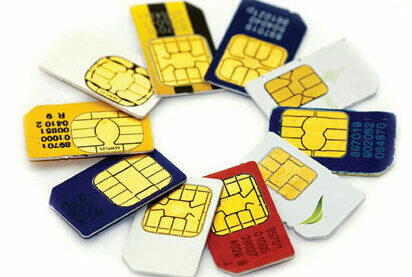
Identity confusion: More Nigerians use replaced SIMS in fear
Summarized and contextualized by DistantNews.
At a glance
News
Named sources
Context piece
- Nigerians buying new SIM cards are receiving lines registered under other people's names.
- This identity confusion raises concerns about fraud and privacy, as phone numbers are linked to banking and digital services.
- The Nigerian Communications Commission plans to introduce a system to manage risks associated with recycled SIM cards.
Millions of Nigerians are encountering a startling issue when purchasing new SIM cards: the lines are being registered under the names of individuals they do not know. Victory Ibezim, a Lagos resident, shared his experience of registering a new SIM with his National Identification Number (NIN), biometrics, and photograph, only to discover hours later that the active line displayed someone else's identity.
I bought the SIM from one of the authorised vendors. They captured my details and took my photograph. I thought I was getting a brand-new SIM. They told me it would become active in about four hours. But when I eventually used it, I was shocked to discover that another person’s name appeared instead of mine.
"Perhaps, NCC and the Telcos didn’t do a good job of cleaning the data of the lines they recovered from dormant users," Ibezim told Vanguard, suggesting a failure in managing re-assigned phone numbers. This problem is not confined to a single network, with multiple telecom operators reportedly facing the same issue. A businesswoman in Abia State, Nkechinyere Nso, reported a similar experience, expressing confusion over how another person's name appeared on her newly registered SIM.
Perhaps, NCC and the Telcos didn’t do a good job of cleaning the data of the lines they recovered from dormant users.
The incidents highlight significant concerns regarding the integrity of Nigeria's SIM registration process. In contemporary Nigeria, mobile numbers are intrinsically linked to bank accounts, one-time passwords (OTPs), USSD banking, fintech wallets, NIN, social media, and various digital platforms. Weaknesses in managing or reassigning phone numbers thus expose subscribers to potential identity theft, financial fraud, and privacy breaches.
Recently, I bought a SIM of one of the networks. After registering and submitting all my information, I discovered that instead of my own name appearing, somebody else’s name came up. I sincerely don’t understand how that happened.
In response to these growing concerns, the Nigerian Communications Commission (NCC) has announced plans to implement a Telecoms Identity Risk Management System (TIRMS). This platform aims to mitigate fraud linked to recycled, swapped, churned, and barred SIM cards. Dr. Aminu Maida, Executive Vice Chairman of the NCC, stated that mobile numbers have become critical digital identifiers and attractive targets for fraudsters. The proposed TIRMS will allow organizations to verify phone numbers for suspicious activity before granting access to sensitive services.
mobile numbers have not only evolved into critical digital identifiers but have also become attractive targets for fraudsters.
DistantNews Editorial
Originally published by Vanguard. Summarized and contextualized by our editorial team with added local perspective. Read our editorial standards.
More Stories


From Our Blog

How the Same Story Looks Different in Different Countries

What Gets Lost (and Found) When News Is Translated

The Critical Role of Diaspora Media in Global News

What Travellers Should Know About Countries with Restricted Press

A Digital Nomad's Guide to Following Local News
