


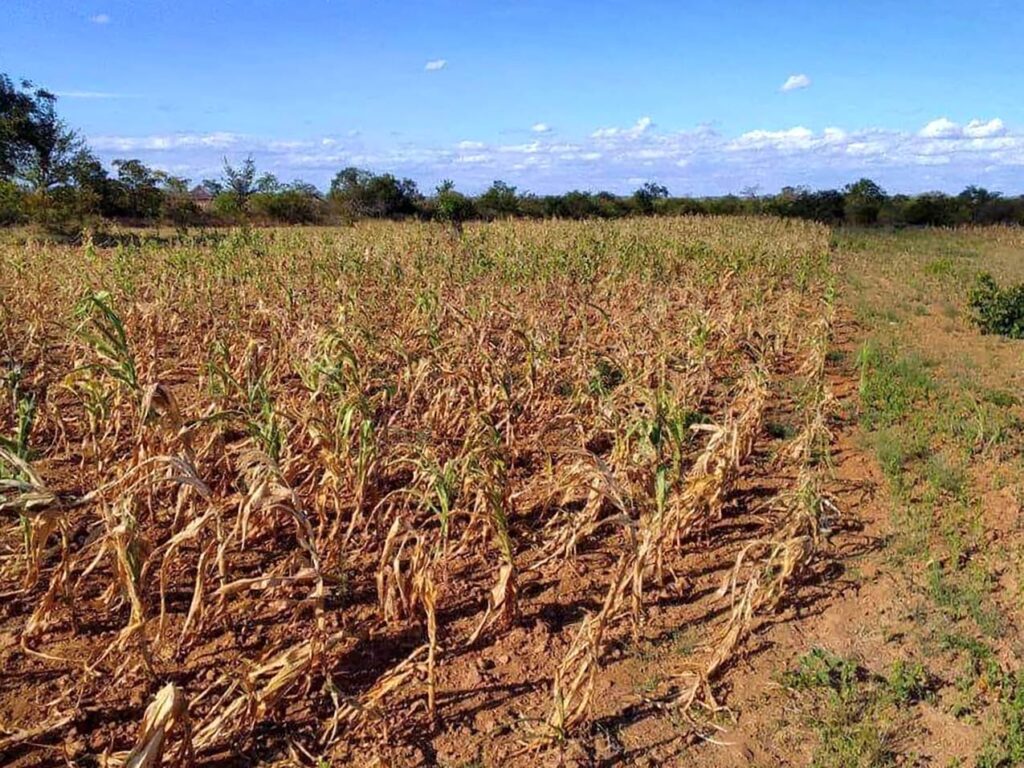
ILO says jobs, livelihoods at risk from El Niño
Summarized and contextualized by DistantNews.
At a glance
News
Official statement
Context piece
- The 2026-2027 El Niño phenomenon poses a significant threat to jobs and livelihoods across the Caribbean, according to the International Labour Organization (ILO).
- Agriculture, fisheries, and tourism are identified as the most vulnerable sectors, facing risks of drought, water shortages, and heatwaves.
- The ILO urges Caribbean nations to strengthen social protection systems, invest in climate-resilient infrastructure, and promote social dialogue to mitigate the impacts on workers.
The impending 2026-2027 El Niño weather phenomenon is poised to severely impact jobs, reduce incomes, and degrade working conditions throughout the Caribbean, the International Labour Organization (ILO) has warned.
The report highlights agriculture, fisheries, and tourism as the sectors most at risk. These industries are expected to face significant challenges due to anticipated drought, water scarcity, and intense heatwaves across the region. The ILO's policy brief, "El Niño 2026–2027 and the world of work in Latin America and the Caribbean," details a potential chain of consequences, from climate disruption to employment instability.
Workers, particularly those in rural communities and informal employment, are identified as the most vulnerable. The phenomenon could lead to increased food insecurity, higher food and energy prices, and more severe heat stress for outdoor workers. The report also raises concerns about potential increases in forced labor migration and child labor in vulnerable households as livelihoods are threatened.
Fabio Bertranou, ILO deputy regional director for Latin America and the Caribbean, emphasized that the scale of El Niño's impact will depend on the region's preparedness. "The 2026–2027 El Niño poses a major challenge for employment and decent work in Latin America and the Caribbean," he stated, stressing the need for robust labor market institutions, social protection systems, and social dialogue.
While El Niño's effects will vary, Caribbean nations are specifically bracing for prolonged dry conditions and heatwaves. The ILO points to the region's high levels of informal employment, where many workers lack access to social safety nets, making them exceptionally susceptible to climate-related shocks. The organization advocates for proactive measures, including strengthening social protection, investing in climate-resilient infrastructure, enhancing occupational safety, and expanding early warning systems to cushion the blow.
The 2026–2027 El Niño poses a major challenge for employment and decent work in Latin America and the Caribbean. The scale of its impacts will depend on countries’ ability to anticipate them through strong labour market institutions, social protection systems and social dialogue that protect those who are most vulnerable.
DistantNews Editorial
Originally published by Jamaica Observer. Summarized and contextualized by our editorial team with added local perspective. Read our editorial standards.
More Stories


From Our Blog

What Gets Lost (and Found) When News Is Translated

The Critical Role of Diaspora Media in Global News

What Travellers Should Know About Countries with Restricted Press

A Digital Nomad's Guide to Following Local News

How the Same Story Looks Different in Different Countries
