

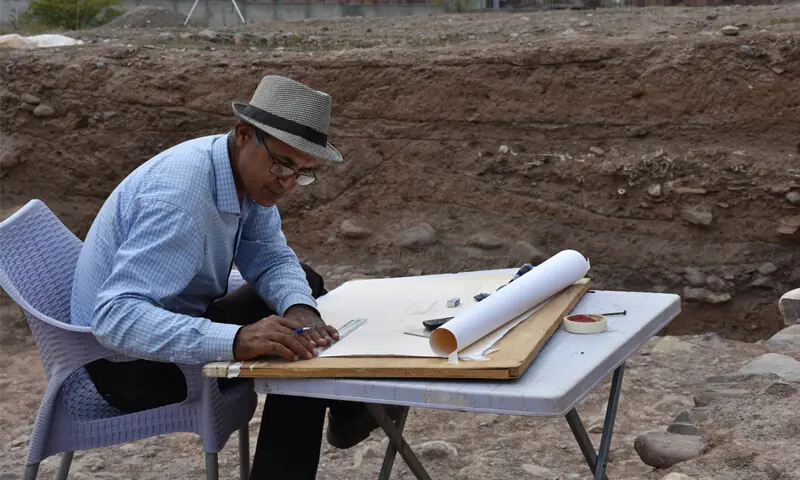

In Spectrum: Satluj: The film India could not watch
Summarized and contextualized by DistantNews.
At a glance
News
Sources not specified
Outcome reported
- A film inspired by human rights activist Jaswant Singh Khalra, titled 'Satluj,' was removed from ZEE5 in India shortly after its release.
- The film, previously titled 'Punjab 95,' faced censorship disputes in India over its portrayal of enforced disappearances during Punjab's insurgency.
- The withdrawal highlights ongoing debates in India about censorship, freedom of expression, and the state's control over historical narratives.
The film 'Satluj,' a cinematic exploration of human rights activist Jaswant Singh Khalra's life and work, has been removed from the Indian streaming platform ZEE5, just two days after its release on July 3, 2026. The film, originally produced as 'Punjab 95,' delves into Khalra's investigation into enforced disappearances and illegal cremations during Punjab's insurgency.
Directed by Honey Trehan, the film encountered significant hurdles even before its release. It faced a prolonged certification dispute, with reports indicating the Central Board of Film Certification demanded substantial changes to the title, references to Khalra, and depictions of the Punjab Police. Filmmakers argued these alterations would compromise the film's historical integrity.
After years of uncertainty, the producers opted for a direct-to-streaming release on ZEE5 under the new title 'Satluj.' However, this reprieve was short-lived. The film was subsequently withdrawn from ZEE5's Indian catalogue following government directives, reportedly issued under the Information Technology Rules, 2021. This decision effectively denied Indian audiences access to the film, while it remained available internationally.
The episode has reignited critical discussions surrounding censorship, freedom of expression, and the Indian state's historical reluctance to engage with narratives that scrutinize its past actions. The withdrawal underscores a persistent tension between official narratives and the societal need to confront difficult historical truths, suggesting that enforced forgetting can deepen rather than heal historical wounds.
DistantNews Editorial
Originally published by Dawn. Summarized and contextualized by our editorial team with added local perspective. Read our editorial standards.
More Stories

From Our Blog

What Gets Lost (and Found) When News Is Translated

The Critical Role of Diaspora Media in Global News

What Travellers Should Know About Countries with Restricted Press

A Digital Nomad's Guide to Following Local News

How the Same Story Looks Different in Different Countries
