


In Tajikistan, laboratory diagnostics of animal diseases and food risks will be strengthened
Summarized and contextualized by DistantNews.
At a glance
News
Named sources
New plan
- Tajikistan has received laboratory equipment from the FAO to enhance food security and animal disease diagnostics.
- The equipment, part of a regional project, will help quickly identify dangerous animal diseases and control food chain risks.
- Over 300 specialists have been trained in biosafety and disease diagnosis, with further modernization of labs planned.
Tajikistan is set to bolster its food security and animal disease diagnostic capabilities with the recent transfer of laboratory equipment from the Food and Agriculture Organization of the United Nations (FAO). This initiative aims to enable rapid identification of dangerous animal diseases, prevent infection outbreaks, and improve the control of risks throughout the food chain, extending diagnostic accessibility beyond the capital, Dushanbe, to regional areas.
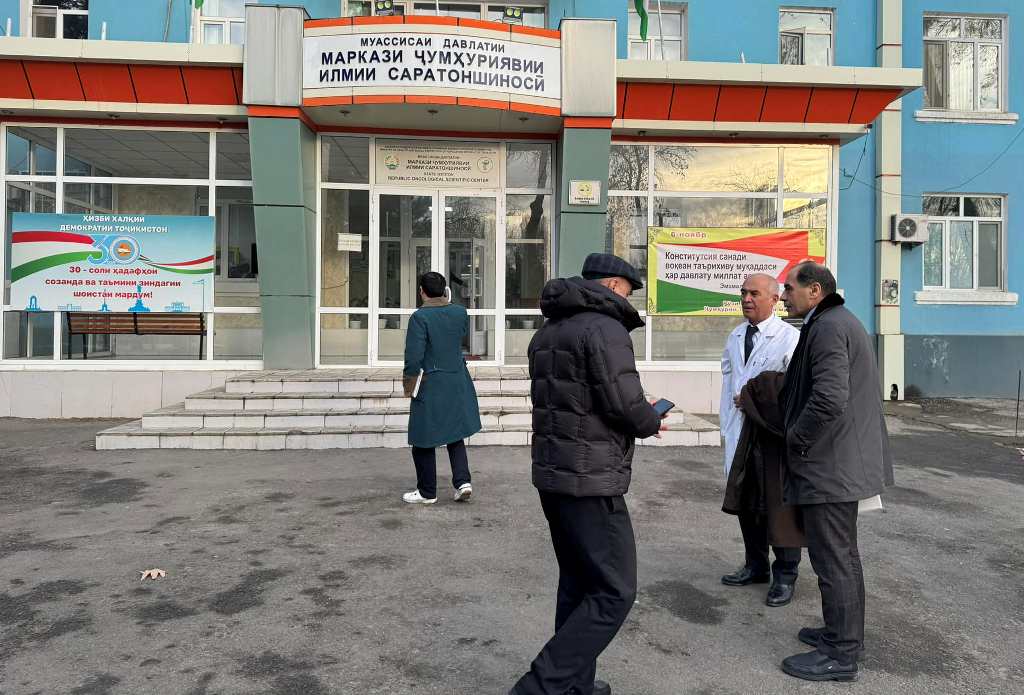
The equipment and materials were provided to the National Center for Food Safety Diagnostics under the Committee for Food Security of Tajikistan as part of the regional project "Pandemic Preparedness and Response in Central Asia." This project employs a "One Health" approach to help countries in the region prepare for and respond swiftly to dangerous disease outbreaks, thereby reducing risks to human health, the economy, and society.
Modern threats compel us to pay more attention to the quality of veterinary services, as well as the prevention of infectious animal diseases that are of great significance for livestock farming in our republic.
Between 2025 and 2026, the project has involved evaluating veterinary services, testing for brucellosis in five laboratories, and conducting 30 training sessions. More than 300 specialists from the Committee for Food Security have received training in biosafety, protection against biological threats, and the diagnosis of diseases such as avian influenza, brucellosis, foot-and-mouth disease, and small ruminant plague.
Muhammadsaid Faizullozoda, Chairman of the Committee for Food Security, emphasized the need for increased attention to veterinary service quality and infectious disease prevention due to modern threats. He highlighted the ongoing modernization of laboratories, including the purchase of PCR diagnostic equipment with project support. Faizullozoda also noted challenges such as the seasonal movement of livestock, limited infrastructure, weak analytical capacity in veterinary drug use, and the need for improved antibiotic policies. FAO representative Agasi Harutyunyan underscored that food safety is a crucial component of sustainable agri-food systems.
Modernizing the material and technical support of laboratories is also very important now. Thus, with the support of the project, necessary laboratory equipment for PCR diagnostics has been purchased.
DistantNews Editorial
Originally published by Asia-Plus. Summarized and contextualized by our editorial team with added local perspective. Read our editorial standards.
More Stories



From Our Blog

What Gets Lost (and Found) When News Is Translated

The Critical Role of Diaspora Media in Global News

What Travellers Should Know About Countries with Restricted Press

A Digital Nomad's Guide to Following Local News

How the Same Story Looks Different in Different Countries
