


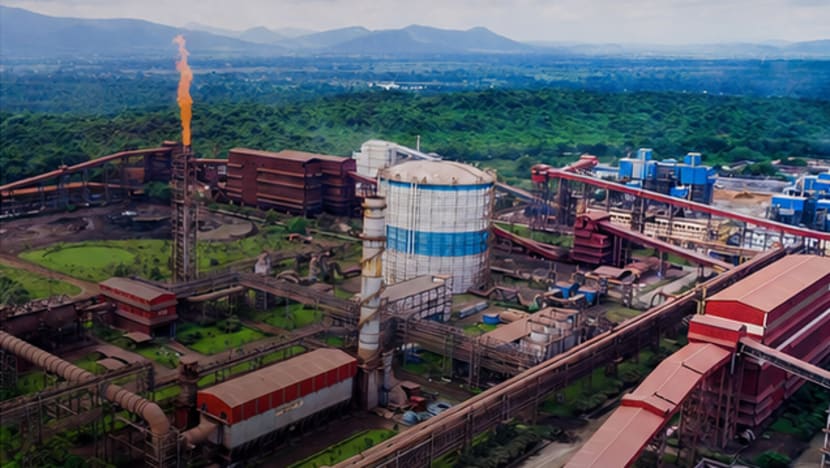
India aims to convert more coal to gas for energy security, but faces conversion hurdles
Translated from English, summarized and contextualized by DistantNews.
At a glance
News
Sources not specified
Context piece
- India is increasing efforts to convert coal into gas, a technology used by China and Indonesia, to reduce reliance on imported fuels amid shipping disruptions.
- The government approved a $3.9 billion scheme to support coal gasification, aiming to boost energy security and domestic resource utilization.
- Experts caution that India faces significant challenges, including coal characteristics, water intensity, financing, and policy fragmentation, which could limit large-scale deployment.
India is accelerating its push to convert coal into gas, joining other Asian nations like China and Indonesia in leveraging this older technology to bolster energy security. The move gains urgency as shipping disruptions through the Strait of Hormuz threaten supplies of critical imports like oil, LPG, and fertilizer feedstock.
The goal is for a product to be planned from the moment it is created with its future disassembly, easy repair, or trouble-free recycling in mind.
With vast domestic coal reserves, gasification appears a logical solution for India. The government has backed this with a $3.9 billion scheme offering incentives of up to 20% for new projects. Officials frame the initiative as a means to strengthen energy security, maximize the use of domestic coal, and decrease dependence on imported fuels.
However, experts warn that India's path may be the most challenging among its regional peers. Obstacles include the specific characteristics of Indian coal, the technology's high water requirements, difficulties in securing financing, and fragmented policymaking. Unlike conventional burning, coal gasification converts coal into synthetic gas (syngas) through heating and reaction with oxygen and steam. This syngas, composed mainly of carbon monoxide and hydrogen, can be further processed into various valuable products like fertilizers, methanol, and hydrogen.
The equipment we handle is often fully functional products for which we need to find recipients.
While coal gasification can substitute some imports, it cannot fully replace them due to the diverse and large industrial demand. Energy-transition advisor Atanu Mukherjee describes it as a way to create "optionality" and resilience rather than a complete exit from imported fuels. The technology has historically remained niche due to high costs, technical complexity, and slow scaling. China's extensive coal gasification buildout, for instance, took "10 to 15 year runs" for large-scale deployment. Despite these hurdles, the technology is regaining interest as import-reliant economies seek buffers against fossil fuel price shocks.
Looking at these factors alone, one can say that by implementing the principles of the circular economy, we can achieve real savings.
DistantNews Editorial
Originally published by CNA in English. Translated, summarized, and contextualized by our editorial team with added local perspective. Read our editorial standards.
More Stories

From Our Blog

What Gets Lost (and Found) When News Is Translated

The Critical Role of Diaspora Media in Global News

What Travellers Should Know About Countries with Restricted Press

A Digital Nomad's Guide to Following Local News

How the Same Story Looks Different in Different Countries
