

India's education crisis sparks first ministerial resignation under Modi
Translated from English, summarized and contextualized by DistantNews.
At a glance
News
Sources not specified
Outcome reported
- India's Union Education Minister Dharmendra Pradhan resigned amid nationwide protests over the NEET-UG exam paper leak, marking the first ministerial exit in over a decade.
- The government agreed to protesters' demands, including withdrawing criminal cases, leading the Cockroach Janta Party (CJP) to end its monthslong sit-in.
- The crisis has escalated beyond an exam scandal, raising questions about fairness and trust in India's education system and highlighting the power of organized youth protests.
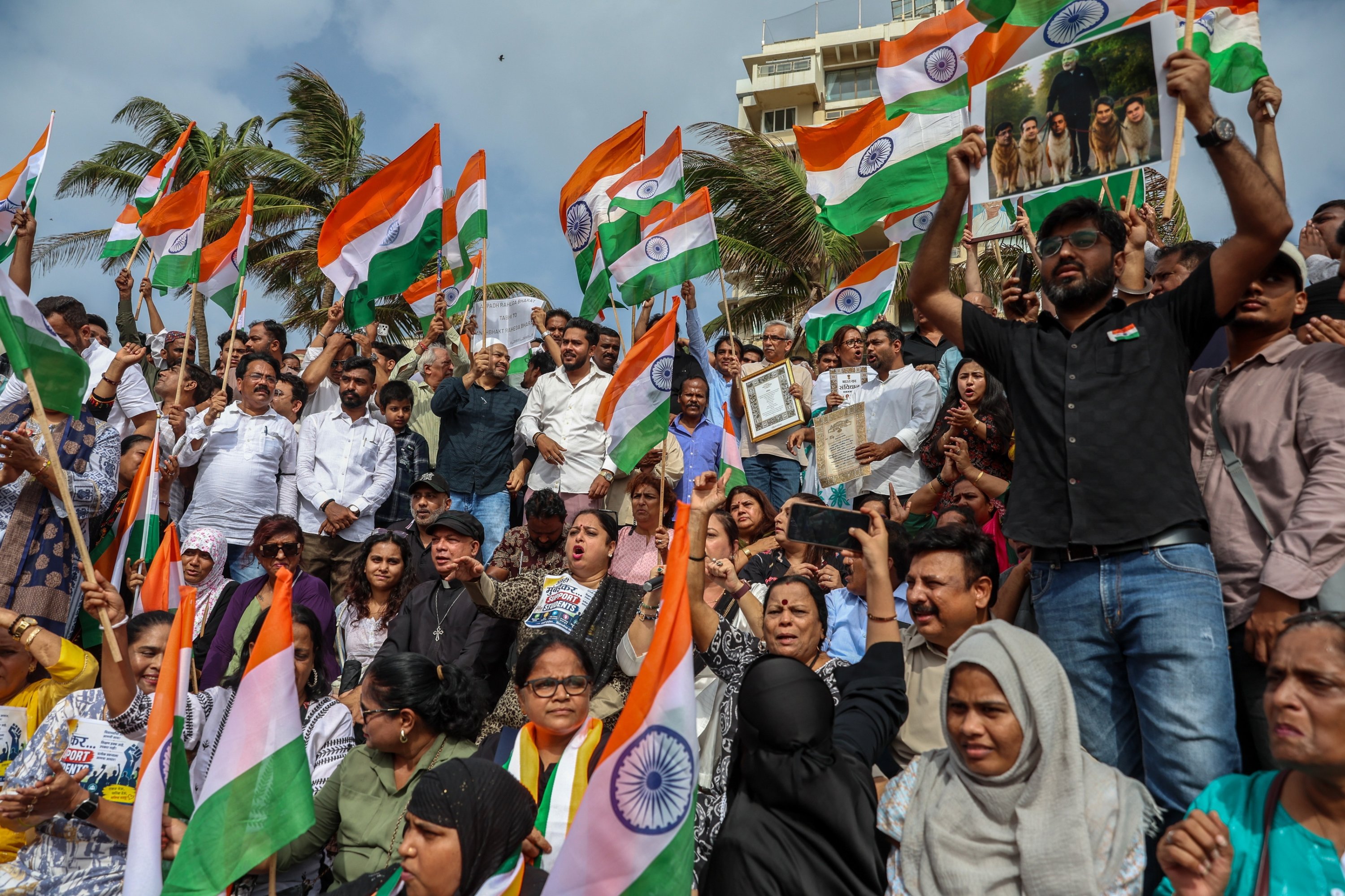
India's education system faces a significant political challenge following the resignation of Union Education Minister Dharmendra Pradhan. Weeks of nationwide protests against the NEET-UG exam paper leak culminated in the government accepting key demands from demonstrators, including the withdrawal of criminal cases. This development marks the first ministerial departure under Prime Minister Narendra Modi's administration in over ten years, as the Cockroach Janta Party (CJP) called off its prolonged sit-in protest in New Delhi.
While the government stated Pradhan's resignation was to prevent the issue from being exploited and to allow students to focus on their futures, the crisis transcends a mere examination scandal. It has ignited a broader debate about fairness, accountability, and the integrity of India's educational institutions. The protests underscore the growing influence of organized youth movements in pressuring even a strong government to respond to their grievances.
This youth-led political awakening is not unique to India. South Asia has witnessed a surge in youth-driven movements emerging from classrooms, campuses, and social media, often bypassing traditional political parties. These movements, fueled by common frustrations over limited economic prospects and a distrust of public institutions, demonstrate how seemingly localized grievances can rapidly escalate into significant political challenges. Examples from Bangladesh and Nepal illustrate this trend, where student protests, triggered by issues ranging from election integrity to perceived inequality, have led to substantial political shifts.
In Bangladesh, protests against election conditions and later against the reinstatement of controversial public-sector job quotas saw students take to the streets, leading to widespread unrest and ultimately the departure of Prime Minister Sheikh Hasina after 15 years. Similarly, Nepal's youth movement, sparked by concerns over unemployment and the perceived privilege of politicians' children, gained momentum through social media, highlighting deep-seated issues of inequality and unfulfilled aspirations among Gen Z.
DistantNews Editorial
Originally published by Daily Sabah in English. Translated, summarized, and contextualized by our editorial team with added local perspective. Read our editorial standards.
More Stories

From Our Blog

What Gets Lost (and Found) When News Is Translated

The Critical Role of Diaspora Media in Global News

What Travellers Should Know About Countries with Restricted Press

A Digital Nomad's Guide to Following Local News

How the Same Story Looks Different in Different Countries
