


India's Renewable Power Hits Record High, Coal Share Falls to Annual Low
Translated from English, summarized and contextualized by DistantNews.
At a glance
News
Documents & data
New plan
- India's renewable energy share reached a record 20% in July, while coal's share fell to a yearly low of 65.7%.
- Renewable power generation increased 30% year-on-year, driven by solar and wind output.
- Despite the rise in renewables, coal-fired power generation grew 12.8% due to increased overall demand and weaker hydropower output.
India's electricity generation landscape is shifting significantly, with renewable energy sources reaching a record 20 percent share in July. This milestone marks a growing reliance on clean energy, as coal's contribution to the power mix dropped to its lowest point in a year, settling at 65.7 percent. The surge in renewables, primarily from solar and wind projects, saw a substantial 30 percent year-on-year increase in generation.
This transition is reshaping India's energy profile, with solar and wind power together exceeding 100 gigawatts for the first time and meeting a record 42.8 percent of the country's daytime electricity demand on July 13. Manoj Kumar, an analyst at the Centre for Research on Energy and Clean Air (CREA), noted that peak power demand increasingly aligns with peak solar generation times, further integrating renewables into the grid.
However, the overall demand for electricity continues to climb, necessitating an increase in coal-fired power generation. Despite its reduced share, electricity from coal plants rose by 12.8 percent compared to the previous year, reaching 119.4 billion kilowatt-hours in July. This rise is partly attributed to weaker hydropower output, influenced by El Niño-related weather patterns that have led to reduced rainfall.
Analysts warn that the combination of decreased hydropower generation and escalating electricity demand could lead to a significant power shortfall, potentially increasing dependence on coal. CREA has cautioned about a potential shortfall of nearly 18 billion kilowatt-hours. Overall, India's electricity generation grew by 10.4 percent year-on-year in July, underscoring robust demand even as clean energy sources achieve record levels.
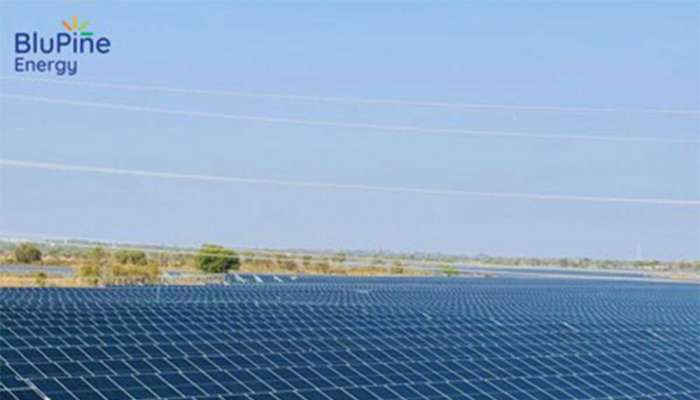
Most of the peak power demand is now occurring during the daytime, when solar generation is at its highest.
DistantNews Editorial
Originally published by Times of Oman in English. Translated, summarized, and contextualized by our editorial team with added local perspective. Read our editorial standards.
More Stories



From Our Blog

What Gets Lost (and Found) When News Is Translated

The Critical Role of Diaspora Media in Global News

What Travellers Should Know About Countries with Restricted Press

A Digital Nomad's Guide to Following Local News

How the Same Story Looks Different in Different Countries
