


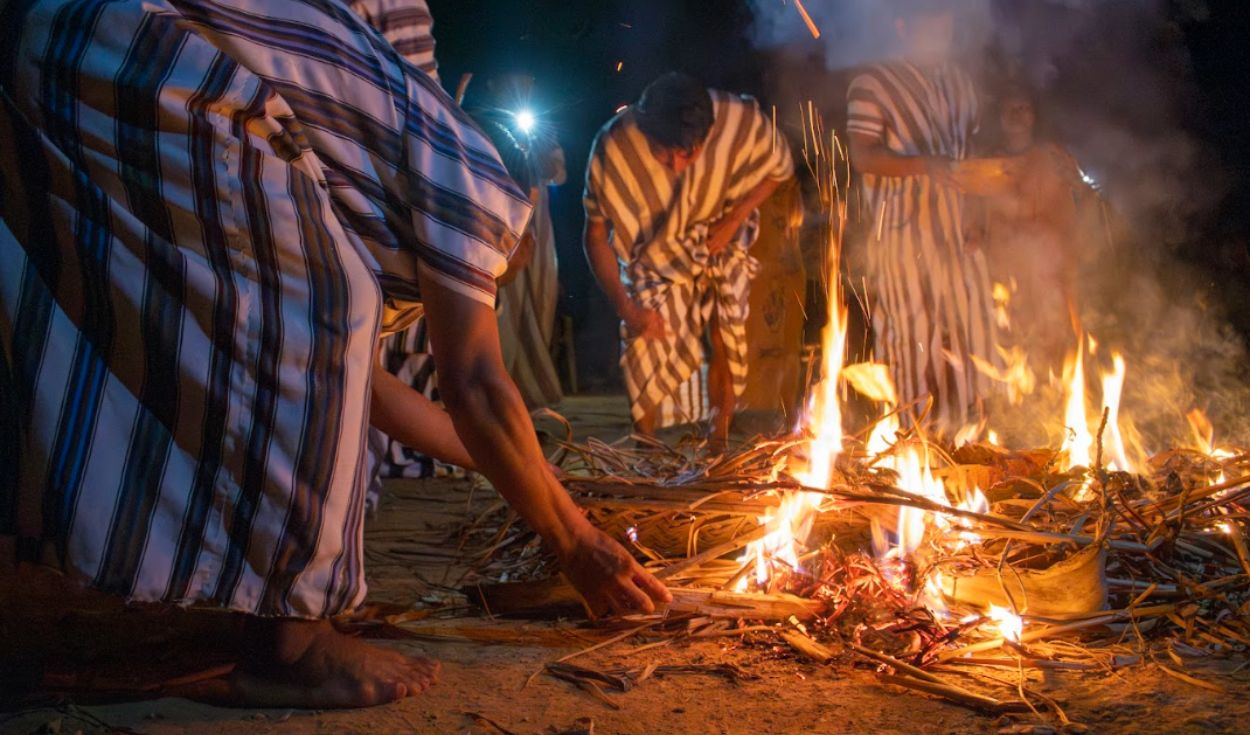
Indigenous Knowledge to Bolster Peru's Forest Fire Prevention Strategy
Translated from Spanish, summarized and contextualized by DistantNews.
At a glance
News
Named sources
New plan
- Indigenous knowledge is being integrated into Peru's national strategy for preventing forest fires through a thematic meeting organized by the Asháninka Central of the Ene River (CARE) and the Amazonian Forests Project.
- The meeting aims to discuss the incorporation of Integral Fire Management (MIF) into the national agenda, bringing together state representatives, indigenous organizations, academia, and international cooperation.
- The initiative seeks to recognize the historical role of fire in indigenous communities for land management and address current regulatory gaps that fail to distinguish between traditional burns and forest fires.
Peru is exploring the integration of indigenous knowledge into its national strategy for preventing forest fires, a move aimed at creating a more culturally sensitive and effective approach. The Asháninka Central of the Rio Ene (CARE) and the Amazonian Forests Project, supported by the Ministry of Environment, are organizing a key thematic meeting on July 7. This event, titled 'PAAMARI Strategy: Towards an Integral Fire Management Approach,' will convene stakeholders in Satipo, including government officials, indigenous representatives, academics, and international cooperation partners.
The primary objective is to foster a dialogue on utilizing fire as a tool for territorial management, emphasizing its application from a preventive and intercultural perspective. Currently, Peru's disaster risk management policy addresses forest fires mainly through response and control measures, lacking a specific strategy for integral fire management as a preventive tool. This meeting intends to identify regulatory gaps and propose mechanisms for incorporating such practices into public policies. A potential outcome is the formation of a multisectoral working group, led by the Ministry of Environment, to develop technical and regulatory guidelines.
A central focus will be the PAAMARI Strategy, developed by CARE, which blends traditional knowledge with community monitoring and technological tools for fire prevention. Organizers highlight the historical significance of fire within indigenous communities, where it has been used for generations in agricultural, health, and land management practices. However, current regulations often fail to differentiate between these traditional uses and destructive forest fires, leading to conflicts with indigenous organizations.
The initiative comes at a critical time, as forest fires in Peru are increasing due to climate change and pressure on forest ecosystems. The upcoming session aims to gather technical and community input to broaden the discussion on fire prevention in the Amazon, ensuring that traditional wisdom plays a vital role in safeguarding these crucial environments.
DistantNews Editorial
Originally published by La República in Spanish. Translated, summarized, and contextualized by our editorial team with added local perspective. Read our editorial standards.
More Stories
From Our Blog

What Gets Lost (and Found) When News Is Translated

The Critical Role of Diaspora Media in Global News

What Travellers Should Know About Countries with Restricted Press

A Digital Nomad's Guide to Following Local News

How the Same Story Looks Different in Different Countries
