

Indo-Pacific May Take a Back Seat at NATO Summit Amid Ukraine and Middle East Focus
Translated from English, summarized and contextualized by DistantNews.
At a glance
News
Named sources
Context piece
- NATO's upcoming summit in Ankara will likely prioritize the conflicts in Ukraine and the Middle East over Indo-Pacific security concerns.
- Analysts suggest that ongoing wars and US pressure on European allies to increase defense spending may sideline discussions on cooperation with Indo-Pacific partners.
- The summit will also focus on the defense spending target of 5% of GDP by 2035, a key initiative pushed by the US.
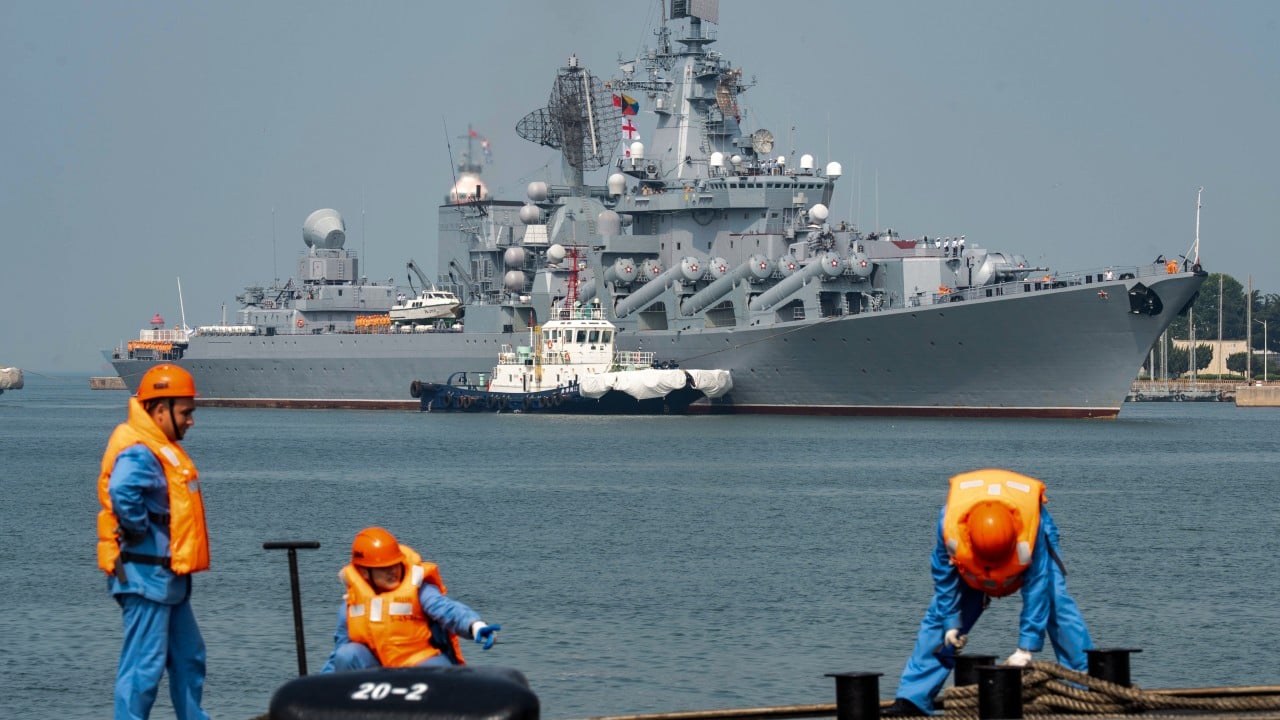
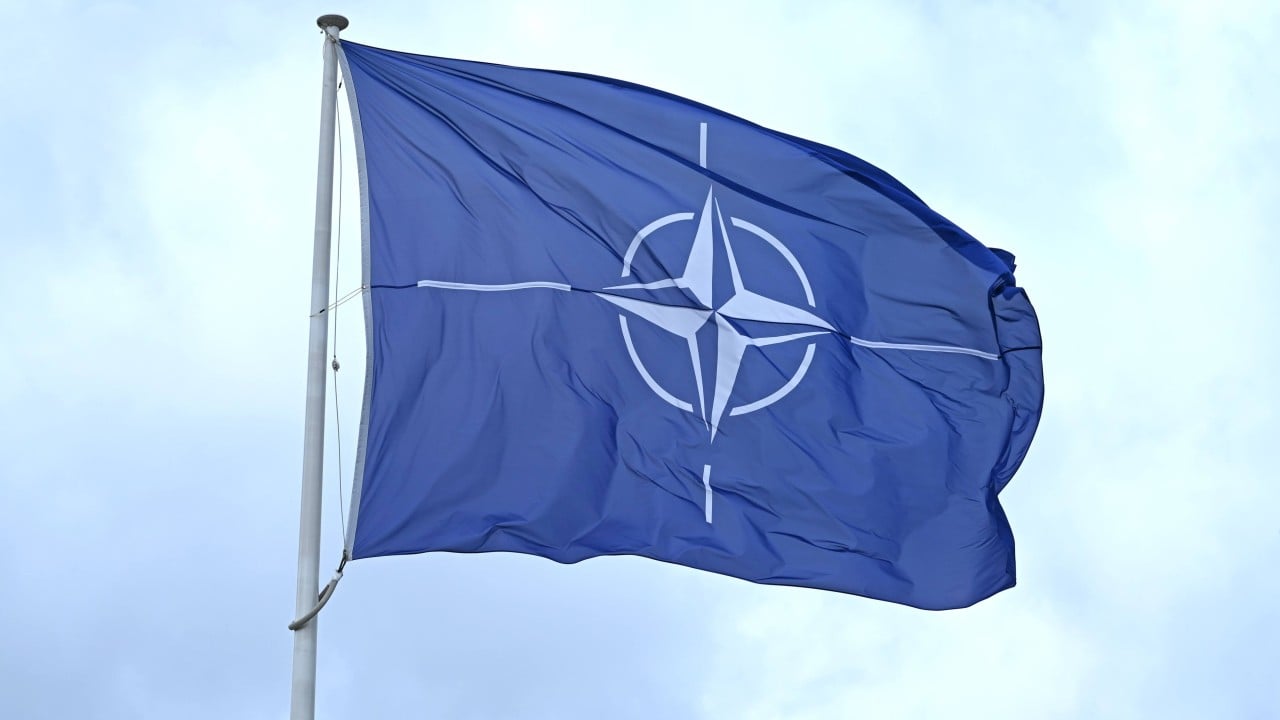
The upcoming NATO summit in Ankara, Turkey, is poised to focus heavily on the pressing security challenges in Ukraine and the Middle East, potentially relegating discussions about the Indo-Pacific region to the back burner. Analysts anticipate that the ongoing conflicts and the United States' persistent calls for European allies to bolster their defense budgets will overshadow strategic cooperation with Indo-Pacific partners.
This shift in focus comes despite warnings from NATO's chief regarding China's deepening ties with Russia. The summit, scheduled for July 7-8, marks Turkey's first time hosting since 2004. It is expected to test the unity of the transatlantic alliance, particularly in light of recent geopolitical events, including a ceasefire in the US-led war on Iran following a memorandum of understanding last month.
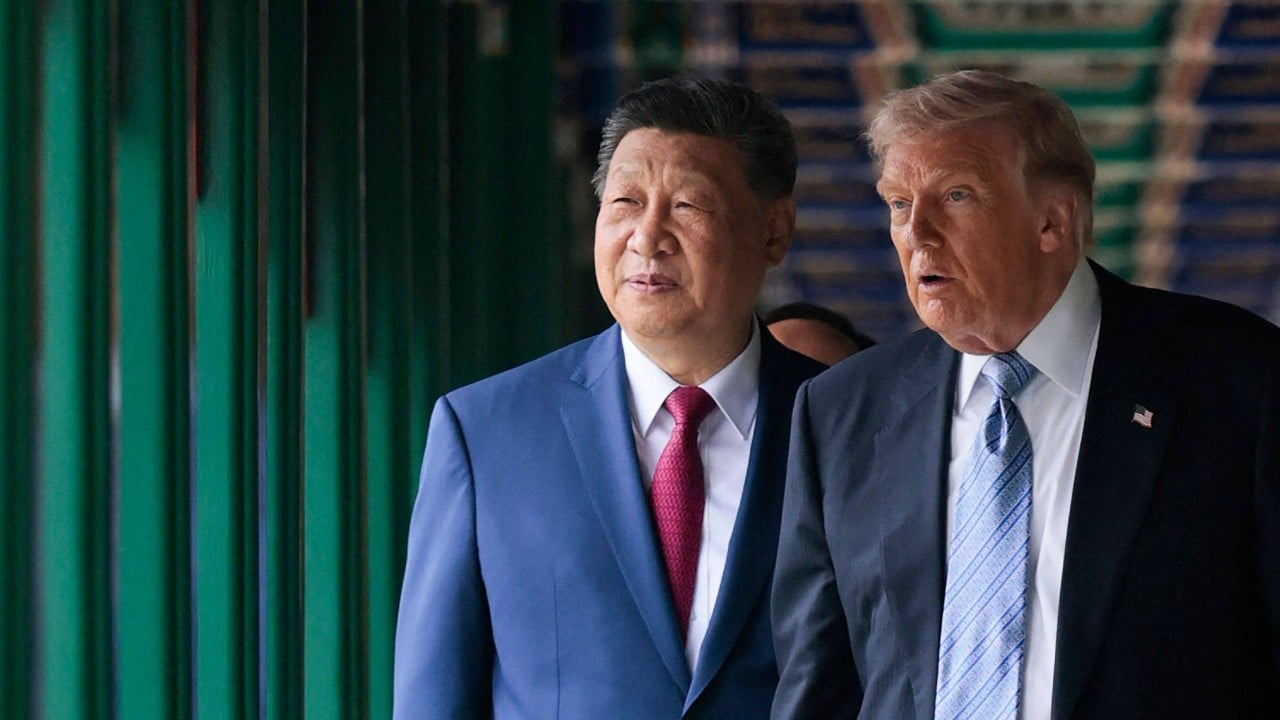
US President Donald Trump has been vocal in his criticism of NATO, labeling it a "paper tiger." His frustration was evident in March when member states declined to support Washington's military actions in the Middle East or assist in reopening the Strait of Hormuz. Subsequently, in May, the Trump administration announced the withdrawal of approximately 5,000 US troops from Germany.
In Ankara, NATO leaders will face pressure to demonstrate tangible progress on defense spending. The target, agreed upon at last year's summit in The Hague, encourages burden-sharing among members, with a pledge to increase defense expenditures to 5% of their gross domestic product by 2035. This initiative, strongly advocated by Trump, aims to ensure a more equitable distribution of defense responsibilities within the alliance.
DistantNews Editorial
Originally published by South China Morning Post in English. Translated, summarized, and contextualized by our editorial team with added local perspective. Read our editorial standards.
More Stories
From Our Blog

Countries Without a Free Press: What You Need to Know

What Press Freedom Means for the News You Read

What Gets Lost (and Found) When News Is Translated

The Critical Role of Diaspora Media in Global News

What Travellers Should Know About Countries with Restricted Press
