

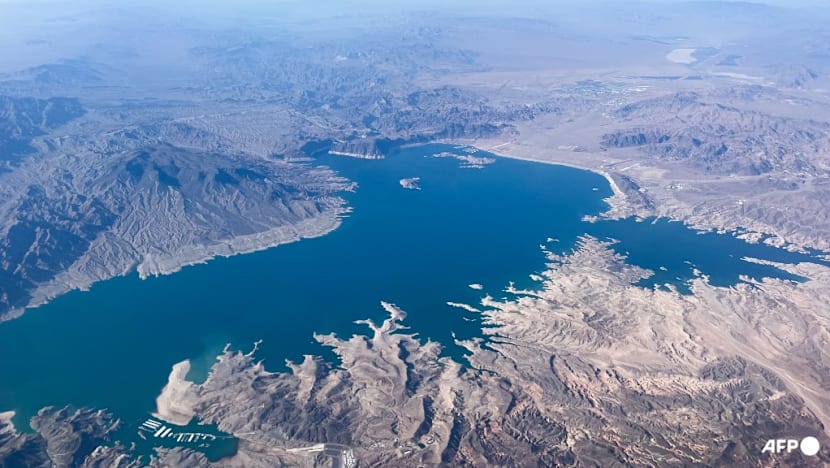

Indonesia Chases Clouds to Combat El Nino Wildfires
Translated from English, summarized and contextualized by DistantNews.
At a glance
News
Named sources
Ongoing story
- Indonesia is using cloud seeding to combat wildfires exacerbated by El Nino, aiming to induce rain.
- Over 100,000 hectares have burned this year, with independent analysis suggesting a much higher figure.
- Experts question the technique's effectiveness during the dry season due to a lack of clouds, while acknowledging it as a mitigation effort.
Indonesia is turning to the skies in its fight against devastating wildfires, employing cloud seeding technology in an effort to induce rainfall and quell blazes exacerbated by a strong El Nino. The nation's Borneo region, known for its pristine rainforests, is currently burning, with the government reporting over 100,000 hectares lost in the first half of the year. Independent analysis, however, indicates the figure could be as high as 285,000 hectares by July, a stark warning of a potentially severe fire season.
Weather modification does not create clouds: we optimise clouds that have the potential to produce rains.
Cloud seeding, a process involving the dispersal of particles like silver iodide into clouds to trigger precipitation, is not a widely used global solution for wildfires. Yet, Indonesia is intensifying its efforts, drawing on lessons from the catastrophic 2015 fires that caused a regional haze crisis. Meteorologist Safillah Anggie Wahyuni explains that the technique aims to "optimize clouds that have the potential to produce rains," emphasizing its dependence on suitable atmospheric conditions.
Weather modification will only be effective if the conditions are right.
Despite a significant increase in cloud-seeding operations since 2021, with dozens of aircraft on standby, the effectiveness of this method during the dry season remains a subject of debate. Hydroclimatology lecturer I Putu Santikayasa questions its efficacy when clouds are scarce. Research on cloud seeding's success is difficult to assess, and concerns linger about the environmental impact of silver iodide and the associated costs. While acknowledged as a "mitigation effort, not a permanent solution," the Indonesian government insists there is no evidence of harm and points to research suggesting doubled rainfall during past operations. However, activists argue that such measures distract from addressing the root causes, like deforestation.
Its effectiveness will be very low because of the lack of clouds.
DistantNews Editorial
Originally published by The Straits Times in English. Translated, summarized, and contextualized by our editorial team with added local perspective. Read our editorial standards.
More Stories


From Our Blog

What Gets Lost (and Found) When News Is Translated

The Critical Role of Diaspora Media in Global News

What Travellers Should Know About Countries with Restricted Press

A Digital Nomad's Guide to Following Local News

How the Same Story Looks Different in Different Countries
