


Industry leaders urge Merz to accelerate reforms in 'letter of concern'
Translated from German, summarized and contextualized by DistantNews.
At a glance
News
Named sources
Context piece
- German industry leaders urged Chancellor Friedrich Merz to accelerate social reforms, citing high energy costs and international competition.
- They called for reducing social security contributions from 42% to around 40% to lower labor costs and maintain competitiveness.
- Siemens Healthineers CEO disagreed, stating companies, not the government, are responsible for growth and criticizing constant reliance on government support.
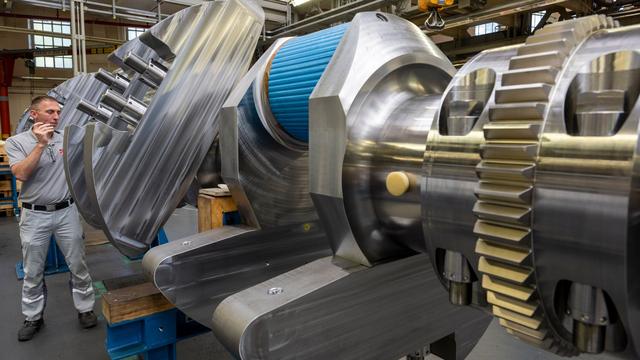
Leading figures from the metal and electrical industry in Bavaria and Baden-Württemberg have penned an urgent letter to German Chancellor Friedrich Merz, demanding a faster pace of social reforms. The industrialists argue that high energy costs, intense international competition, and a shifting economic landscape are placing significant strain on businesses. They contend that the specific design of social and economic policy frameworks is crucial for companies to remain competitive, retain jobs, and attract investments within Germany.
The signatories, including representatives from major corporations like Siemens AG, Audi, BMW, Porsche, and ZF, along with the heads of industry associations, are pushing for a reduction in social security contributions. Their proposal aims to lower these contributions from the current 42 percent of labor costs back towards the 40 percent mark. "We demand genuine structural reforms in all branches of social security that address the cost side and slow the continuous increase in expenditures," the letter states. "Only if this succeeds can we lower labor costs at the German location to a level that is competitive internationally."
However, this call for government intervention and reform is not universally shared within the business community. In a contrasting view, the CEO of Siemens Healthineers, a major medical technology firm, expressed skepticism about companies' constant reliance on the government for growth. "I personally don't like this constant complaining. Because I say: These are companies, we are not in a planned economy or state economy," he told the German Press Agency. He emphasized that companies should not solely look to the government for economic growth, finding it "difficult" to depend on such support.
The industry leaders also advocated for preserving the current block-system for partial retirement, which they claim is utilized in 99.5 percent of cases by both companies and employees. They view its abolition as an unwarranted interference in a functional and necessary instrument for managing workforce transitions. Furthermore, they called for greater flexibility in working hours, suggesting that the current ten-hour daily limit is outdated.
DistantNews Editorial
Originally published by Die Zeit in German. Translated, summarized, and contextualized by our editorial team with added local perspective. Read our editorial standards.
More Stories


From Our Blog

What Gets Lost (and Found) When News Is Translated

How the Same Story Looks Different in Different Countries

The Critical Role of Diaspora Media in Global News

What Travellers Should Know About Countries with Restricted Press

A Digital Nomad's Guide to Following Local News
