


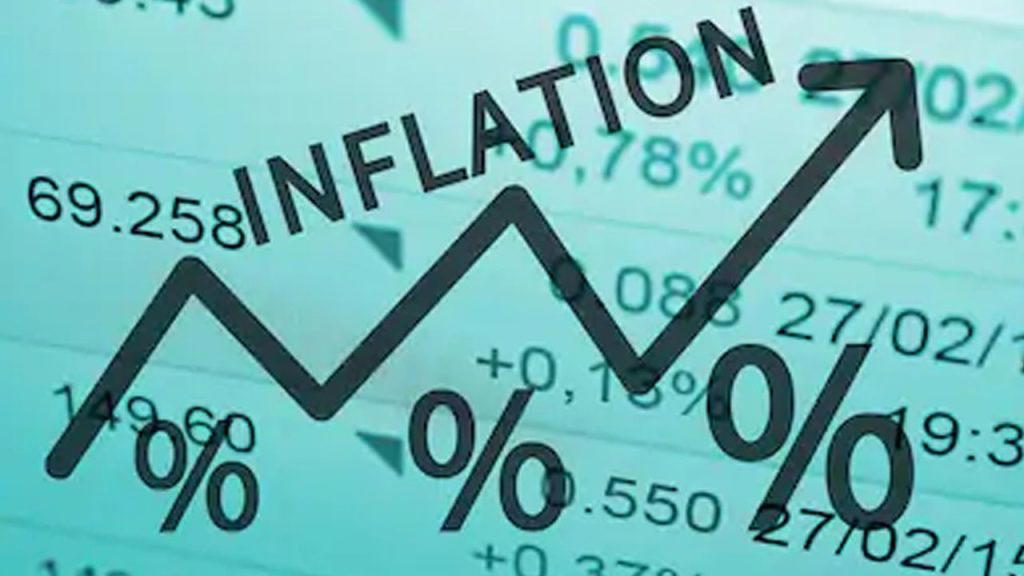
Inflation, policy inconsistency can destabilise economic reforms, analysts warn
Summarized and contextualized by DistantNews.
At a glance
News
Named sources
Context piece
- Analysts warn that high inflation, inconsistent policies, and exchange rate volatility could destabilize Nigeria's economic reforms.
- Despite these challenges, Nigeria's capital market is projected to maintain positive momentum in the second half of 2026.
- The Nigerian Exchange (NGX) saw a significant rally in the first half of 2026, with the All-Share Index rising by approximately 47%.
Nigerian economic reforms, which have begun to show positive results, face potential destabilization from rising inflation, policy inconsistencies, and a volatile exchange rate, according to analysts. These factors pose a significant risk to the ongoing structural adjustments, including foreign exchange liberalization, fuel subsidy removal, and monetary tightening, which have been implemented this year.
Despite these headwinds, the Nigerian capital market is expected to sustain its positive performance into the latter half of 2026. This optimism is underpinned by strengthening macroeconomic fundamentals, the ongoing banking sector recapitalization, expected improvements in foreign exchange stability, and the anticipated listing of the Dangote Refinery. These factors are seen as robust enough to counteract lingering inflationary pressures and global geopolitical uncertainties.
Headline inflation, which declined to 15.06 per cent in February, rose steadily to 15.93 per cent in May as higher fuel and transportation costs filtered into food prices.
The Nigerian Exchange (NGX) experienced a remarkable rally in the first half of 2026, marking one of its strongest performances historically. The All-Share Index surged by nearly 47%, closing June at over 229,000 points after reaching an all-time high of more than 252,000 points in May. This impressive growth translated into an increase of approximately 47 trillion Nigerian naira in investor wealth, largely driven by strong corporate earnings, the banking sector's recapitalization efforts, and renewed domestic institutional participation.
Analysts at Arthur Steven Asset Management Limited (ASAM) noted that investor confidence has been bolstered by greater exchange rate stability, external reserves exceeding $51 billion, and increased participation from pension funds following revised investment guidelines. However, Professor Uche Uwaleke, President of the Capital Market Academics of Nigeria, cautioned that inflation remains a primary concern. Headline inflation, which had previously trended downwards, rose from 15.06% in February to 15.93% in May, influenced by increased fuel and transportation costs impacting food prices.
The successful completion of the banking recapitalisation exercise as one of the most significant financial sector achievements in recent years.
DistantNews Editorial
Originally published by Vanguard. Summarized and contextualized by our editorial team with added local perspective. Read our editorial standards.
More Stories
From Our Blog

How the Same Story Looks Different in Different Countries

What Gets Lost (and Found) When News Is Translated

The Critical Role of Diaspora Media in Global News

What Travellers Should Know About Countries with Restricted Press

A Digital Nomad's Guide to Following Local News
