


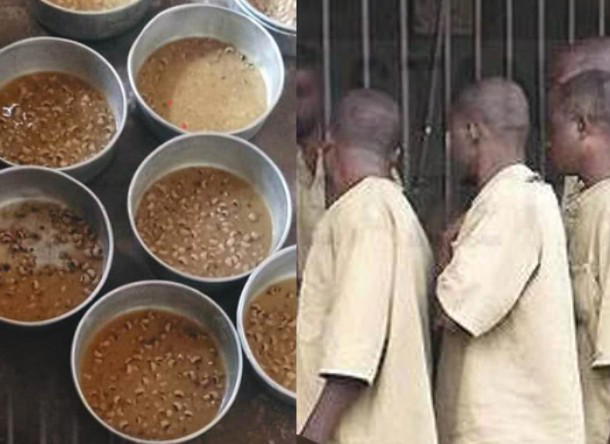
Iniside Nigeria’s correction centres: Feeding crisis rocks prisons
Summarized and contextualized by DistantNews.
At a glance
News
Named sources
Context piece
- Inmates in Nigeria's correctional centers face severe hunger and starvation due to a strained feeding system, with some resorting to finding alternative food sources to survive.
- The feeding system is undermined by chronic overcrowding, inadequate funding, weak oversight, and alleged diversion of food supplies, leading to compromised quality and quantity of meals.
- Prison authorities deny claims of a feeding crisis and defend the current system, despite accounts from inmates describing meals as routine and lacking nutrition.
Survival inside Nigeria's correctional centers often hinges on finding food beyond the meager rations provided by the state. For former inmate Mike Okoroafor, the daily struggle for nourishment in Kirikiri Correctional Centre was more haunting than his legal ordeal. "The first week I relied on prison food, my body began to weaken," he recalled. "By the second week, I made up my mind never to depend on it again." His experience highlights a critical issue: without alternative food sources, survival is a daily challenge.
The first week I relied on prison food, my body began to weaken. By the second week, I made up my mind never to depend on it again.
Okoroafor's account is not unique. Interviews with former and current inmates, corroborated by independent findings, reveal a deeply troubled feeding system across Nigeria's correctional facilities. This crisis is fueled by chronic overcrowding, insufficient funding, lax oversight, and allegations of food supply diversions. The system, stretched far beyond its limits, struggles to provide adequate sustenance.
Nigeria's correctional facilities house over 80,000 inmates, with about 65% awaiting trial, placing immense pressure on essential services like feeding. Kitchens designed for hundreds now must feed thousands, often with outdated equipment. Inmates describe meals as "routine, not nutrition," and often poorly prepared. "Eating beans there is like chewing stones," said Tunde Oyedele, a former inmate. "You spend more time removing stones than eating." Rice is often inadequately cooked, forcing inmates to re-boil it if they can afford additional ingredients.
The food is just routine, not nutrition. It is cooked to fill space, not to sustain health.
Despite these dire accounts, prison authorities deny a feeding crisis, asserting they defend the feeding system. This official stance contrasts sharply with the lived realities of inmates who describe a daily battle for survival, where the food provided is often more about filling stomachs than sustaining health.
Eating beans there is like chewing stones. They don’t sort it properly. Sometimes the stones are almost half of what you’re given. You spend more time removing stones than eating.
DistantNews Editorial
Originally published by Vanguard. Summarized and contextualized by our editorial team with added local perspective. Read our editorial standards.
More Stories


From Our Blog

How the Same Story Looks Different in Different Countries

What Gets Lost (and Found) When News Is Translated

The Critical Role of Diaspora Media in Global News

What Travellers Should Know About Countries with Restricted Press

A Digital Nomad's Guide to Following Local News
