

Inner Mongolia plant blast caused by multiple failings, report finds
Translated from English, summarized and contextualized by DistantNews.
At a glance
News
Official statement
Outcome reported
- An industrial plant explosion in Inner Mongolia killed 10 people and injured 84 due to a steam vessel leak caused by corrosion.
- A report cited design flaws, poor maintenance, inadequate oversight, and chaotic safety management as contributing factors.
- Prosecutors approved the arrest of seven employees, and disciplinary action was recommended for 62 individuals, including local officials.
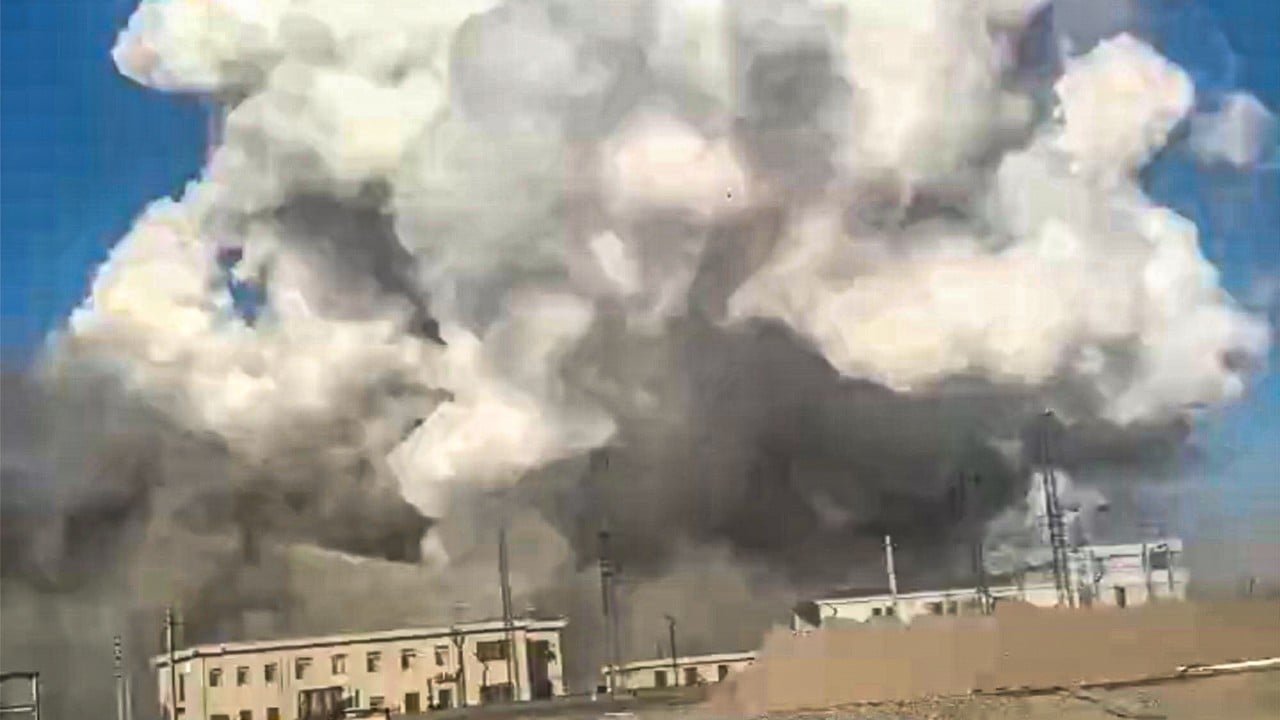
A deadly explosion at an industrial plant in Baotou, Inner Mongolia, which killed 10 people and injured 84, has been attributed to a series of failures including poor maintenance, design flaws, and inadequate oversight. The blast occurred earlier this year at a Baotou Steel Group plant.
An official report released Sunday by the Inner Mongolian emergency management department revealed the explosion resulted from a leak in a steam storage pressure vessel, caused by corrosion on its inner wall. Debris from the explosion was scattered up to 5km, disrupting local rail services.
The report detailed deficiencies in the vessel's design, manufacturing defects, insufficient daily maintenance, chaotic safety management, and improper on-site emergency response. Authorities in Baotou city and the Kundulun district were also criticized for failing to fulfill their regulatory duties.
Prosecutors have approved the arrest of seven plant employees, with further investigations recommended for six others. The Baotou Steel Group and other involved firms have faced penalties, and local authorities submitted a written self-criticism to higher government levels.
The accident exposed deficiencies and manufacturing defects in the vessel’s design, inadequate daily maintenance at the plant, chaotic safety management and improper on-site emergency response.
DistantNews Editorial
Originally published by South China Morning Post in English. Translated, summarized, and contextualized by our editorial team with added local perspective. Read our editorial standards.
More Stories

From Our Blog

Countries Without a Free Press: What You Need to Know

What Press Freedom Means for the News You Read

What Gets Lost (and Found) When News Is Translated

The Critical Role of Diaspora Media in Global News

What Travellers Should Know About Countries with Restricted Press
