

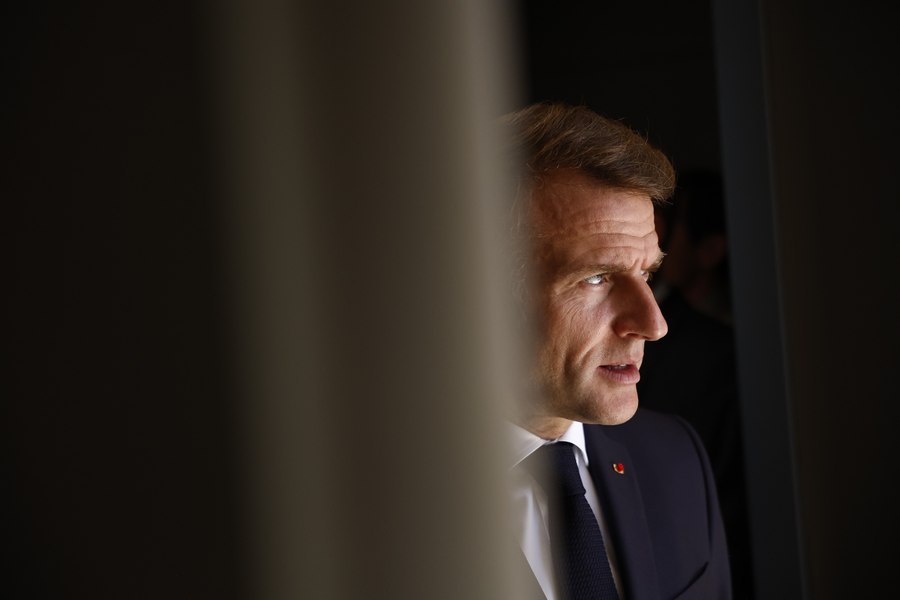
Instability on NATO's Eastern Flank: Russia Exploits Political Crises in Romania and Bulgaria
Translated from Romanian, summarized and contextualized by DistantNews.
TLDR
- Romania faces a significant political crisis, while Bulgaria is set to have a pro-Russian government, potentially weakening the eastern flank of NATO.
- Experts suggest these developments are highly beneficial for Russia and detrimental to Ukraine, the EU, and NATO, with concerns raised by EU officials.
- There is a risk of Romania mirroring Bulgaria's political instability, which has seen frequent government changes and paralysis, potentially making Sofia a Russian foothold in the region.
The political turmoil unfolding in Romania and Bulgaria presents a deeply concerning picture for the stability of NATO's eastern flank. While Hungary's recent political shift offered a glimmer of hope for the EU and NATO, the developments in Sofia and Bucharest cast a long shadow. The rise of a pro-Russian government in Bulgaria, coupled with Romania's deepening political crisis, threatens to paralyze or at least severely disrupt this strategically vital region.
Putin has a clear plan now.
From our perspective at Adevărul, these events are not merely domestic political squabbles; they represent a significant geopolitical vulnerability. Russia, under Vladimir Putin, stands to gain immensely from this instability. The potential for Bulgaria to become a Russian bridgehead in the region, especially after recent political shifts in Hungary, is a stark warning. We have seen Rumen Radev's presidency marked by statements often perceived as pro-Russian, including open conflict with Ukrainian President Volodymyr Zelenskyy, despite official support for Ukraine.
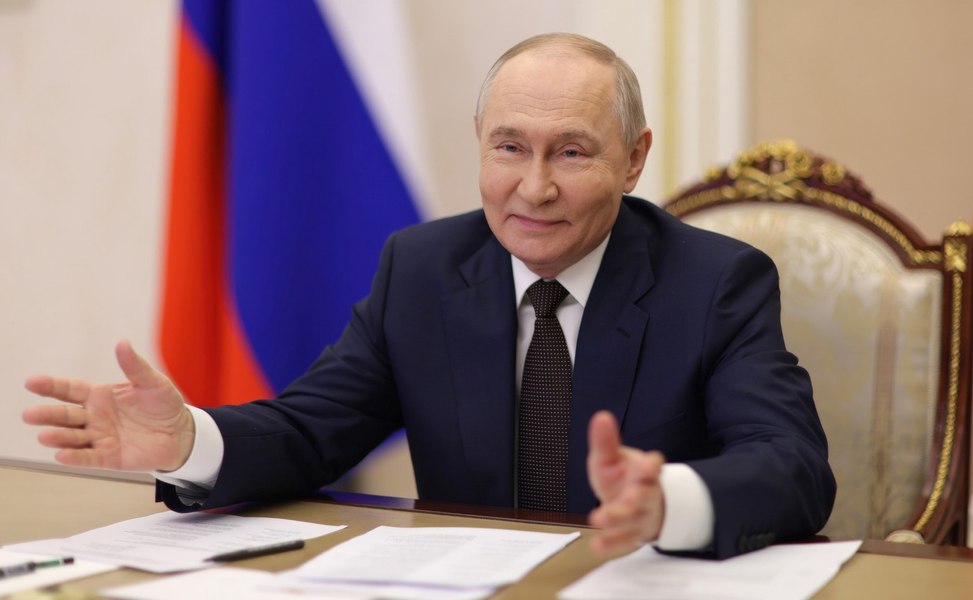
Vladimir Putin is jubilating over the situation in Romania and Bulgaria.
The European Union, through figures like European Commission President Ursula von der Leyen, has expressed unease, particularly regarding Bulgaria's future. While European officials have been closely monitoring Romania's situation, fears of its vulnerability are palpable. The specter of Romania descending into a similar cycle of political instability as Bulgaria, which has seen eight governments in five years, is a grim prospect. This internal weakness on NATO's eastern flank is precisely what Moscow seeks to exploit.
The worst-case scenarios could materialize in the southern part of NATO's eastern flank.
What makes this situation particularly alarming from a Romanian and regional standpoint is the potential for coordinated obstruction within the EU and NATO. The scenario where Bulgaria, alongside Slovakia and the Czech Republic, could actively block initiatives and undermine support for Ukraine is a chilling one. This is not just about internal politics; it's about the erosion of collective security at a time when vigilance is paramount. Western media may focus on the democratic processes or the internal party politics, but for us, the immediate concern is the tangible threat to regional security and the strategic advantage gained by Russia.
The news is as good as it gets for Russia, but very bad for Ukraine, the European Union, and NATO.
DistantNews Editorial
Originally published by Adevărul in Romanian. Translated, summarized, and contextualized by our editorial team with added local perspective. Read our editorial standards.
More Stories
From Our Blog

What Gets Lost (and Found) When News Is Translated

The Critical Role of Diaspora Media in Global News

What Travellers Should Know About Countries with Restricted Press

A Digital Nomad's Guide to Following Local News

How the Same Story Looks Different in Different Countries
