

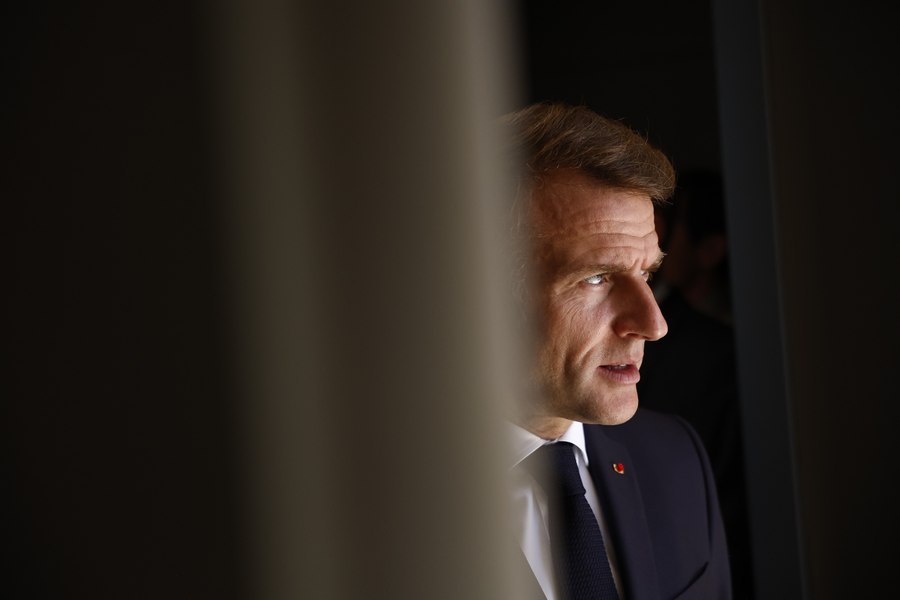
Macron Warns U.S. May Not Protect Europe Long-Term, Citing Greenland and Iran Examples
Translated from Romanian, summarized and contextualized by DistantNews.
TLDR
- French President Emmanuel Macron warned that the United States may not protect Europe long-term, citing examples like Greenland and Iran.
- Macron urged Europe to enhance its own defense capabilities and sovereignty, stating that relying indefinitely on U.S. protection is not a viable strategy.
- The comments come amid ongoing discussions about NATO's future and U.S. commitment to European security, particularly following statements by former U.S. President Donald Trump.
President Emmanuel Macron's recent remarks underscore a growing European sentiment of strategic autonomy, a concept championed by France for years. Speaking to students in Cyprus, Macron articulated a vision where Europe must increasingly rely on its own strength and capabilities, rather than assuming perpetual U.S. security guarantees. This is not a new refrain from Paris, but it resonates with particular urgency given the shifting geopolitical landscape and uncertainties surrounding American foreign policy.
Am văzut-o clar în cazul Groenlandei, în ceea ce se întâmplă astăzi în Iran, şi într-o oarecare măsură în ceea ce se întâmplă în Ucraina
The examples Macron cited – Greenland, Iran, and Ukraine – highlight a perceived inconsistency or unreliability in U.S. foreign policy that leaves European allies questioning the long-term commitment to their security. While the U.S. remains a vital ally, particularly in the current context of the war in Ukraine, the French perspective emphasizes the need for Europe to develop its own strategic tools and decision-making capacity. This is about more than just military hardware; it's about technological sovereignty and the ability to act independently on the global stage.
Dacă mâine nu vom mai fi capabili să ne apărăm singuri, dacă toate soluţiile noastre tehnologice se vor afla în mâinile altora, putem spune ce vrem, dar nu vom mai avea de ales
From a French viewpoint, this call for greater European self-reliance is not about severing ties with the U.S., but about maturing as a global actor. It's about ensuring that Europe's future is not solely dictated by the foreign policy priorities of another continent. The emphasis on understanding others and fostering a passion for the future, as Macron advised the students, speaks to a broader diplomatic and cultural approach that France advocates for. This perspective often contrasts with a more transactional or security-focused approach sometimes perceived in U.S. foreign policy, highlighting a distinct European emphasis on dialogue and long-term stability.
pacea nu se decretează într-o dimineaţă frumoasă şi că depinde şi de acest lucru
This discussion is particularly relevant in light of recent statements from NATO Secretary General Mark Rutte, attempting to reassure allies about the alliance's future amidst concerns raised by figures like Donald Trump. However, Macron's intervention serves as a potent reminder that even within the alliance, there is a strong desire among key European players like France to build a more robust and independent European defense pillar. The future of European security, from this perspective, lies in a dual approach: maintaining strong transatlantic ties while simultaneously strengthening Europe's own strategic autonomy.
Războiul izvorăşte din neînţelegeri sau din nebunia anumitor conducători şi, uneori, a unor popoare care cred că securitatea lor va veni din distrugerea vecinului
DistantNews Editorial
Originally published by Adevărul in Romanian. Translated, summarized, and contextualized by our editorial team with added local perspective. Read our editorial standards.
More Stories
From Our Blog

What Gets Lost (and Found) When News Is Translated

The Critical Role of Diaspora Media in Global News

What Travellers Should Know About Countries with Restricted Press

A Digital Nomad's Guide to Following Local News

How the Same Story Looks Different in Different Countries
