


Instructions for Changing the World: History Repeats, But Progress Endures
Translated from Spanish, summarized and contextualized by DistantNews.
At a glance
Analysis
Sources not specified
Context piece
- The article argues that despite the perception of constant change, human nature and historical patterns remain largely the same.
- It suggests that current global issues, like wars and autocratic leaders, are not unprecedented, citing historical parallels.
- While acknowledging modern progress in reducing violence and poverty, the author emphasizes that human flaws like malice and stupidity persist, requiring constant vigilance and wisdom.
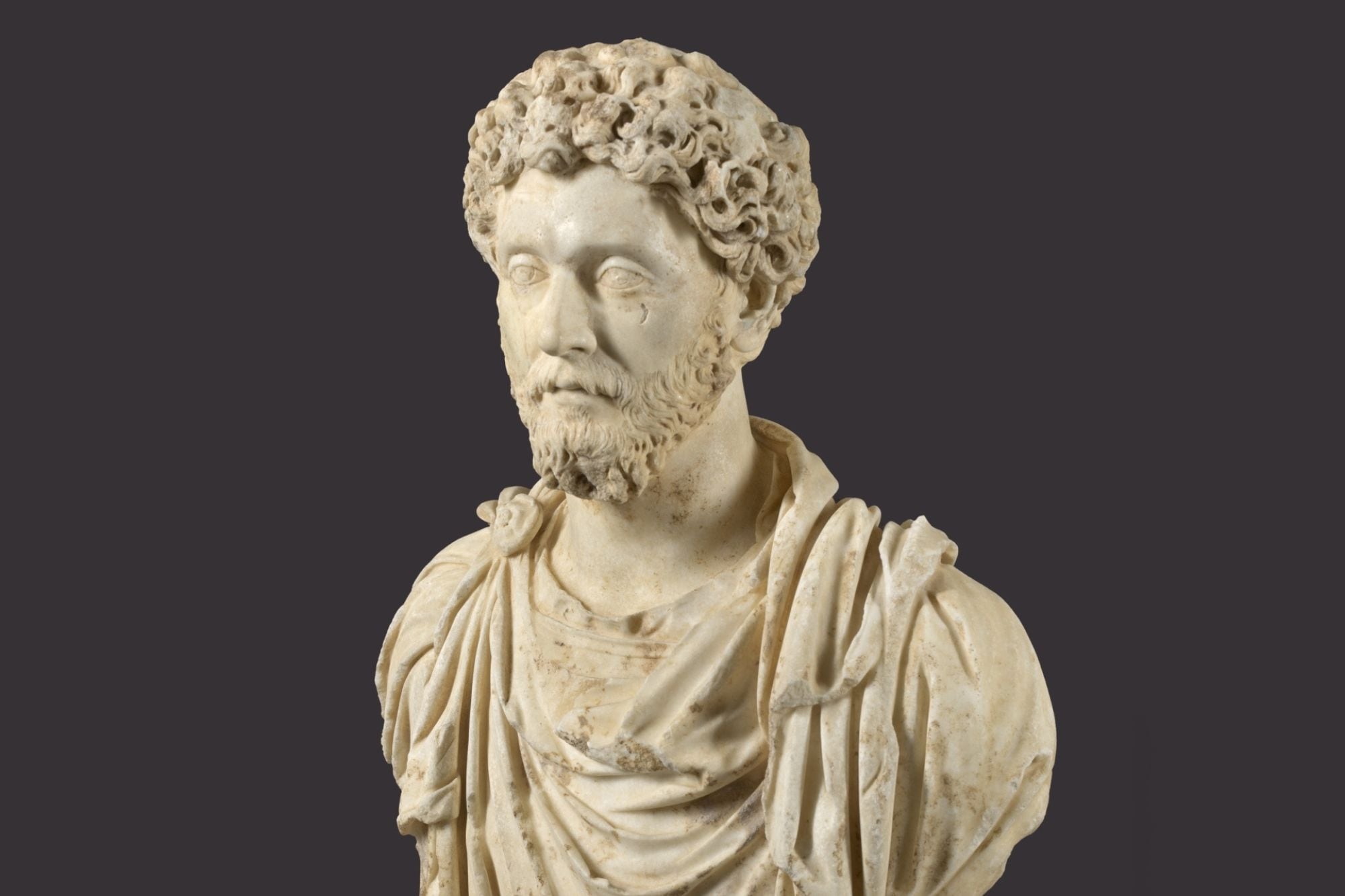
The relentless stream of news often creates an illusion of perpetual upheaval, suggesting that each day brings unprecedented events and constant reinvention. However, the article posits that this perception is a mirage. Drawing on the wisdom of Roman Emperor Marcus Aurelius, it asserts that the present is merely a repetition of the past, and the future will echo what has already been.
Historically, time was viewed cyclically, a notion echoed by Nietzsche's concept of eternal recurrence. While modern understanding of time is linear, the article argues that human experience remains cyclical. We forget easily, making familiar events seem novel. The text points to recurring patterns like Russian invasions of Ukraine, repeated wars in Iran, and the rise of tyrannical figures, suggesting that humanity is trapped in a loop of repeating mistakes.
Despite these cyclical patterns, the article acknowledges undeniable progress. It states that fewer wars are waged today, and violence, poverty, illiteracy, and child mortality are at historic lows. Yet, this progress does not signify a fundamental change in human nature. The author contends that core human flaws, malice, deceit, cowardice, envy, hatred, and stupidity, remain as prevalent as ever.
To navigate this enduring human condition, the article suggests drawing on the wisdom of the past. It references Marcus Aurelius's concept of the "sovereign within," an inner sanctuary immune to external turmoil. This internal refuge, the article implies, is key to maintaining peace and clarity amidst the persistent challenges of human behavior and societal cycles. The solution, or at least the method of protection, remains consistent because the problem itself is eternal.
El que ha visto lo presente lo ha visto todo: Lo que hubo en el pasado indefinido y lo que habrá en el futuro interminable, pues todo tiene el mismo origen.
DistantNews Editorial
Originally published by La Nación in Spanish. Translated, summarized, and contextualized by our editorial team with added local perspective. Read our editorial standards.
More Stories



From Our Blog

What Gets Lost (and Found) When News Is Translated

The Critical Role of Diaspora Media in Global News

What Travellers Should Know About Countries with Restricted Press

A Digital Nomad's Guide to Following Local News

How the Same Story Looks Different in Different Countries
