


International Criminal Court laments withdrawals by Mali, Burkina Faso, Niger
Translated from English, summarized and contextualized by DistantNews.
At a glance
News
Official statement
Outcome reported
- The International Criminal Court's executive body expressed concern over Mali, Burkina Faso, and Niger withdrawing from the court.
- The West African nations announced their withdrawal in September, calling the ICC an "instrument of neo-colonialist repression."
- The ICC stated that such withdrawals risk undermining global justice efforts and weakening the fight against impunity.
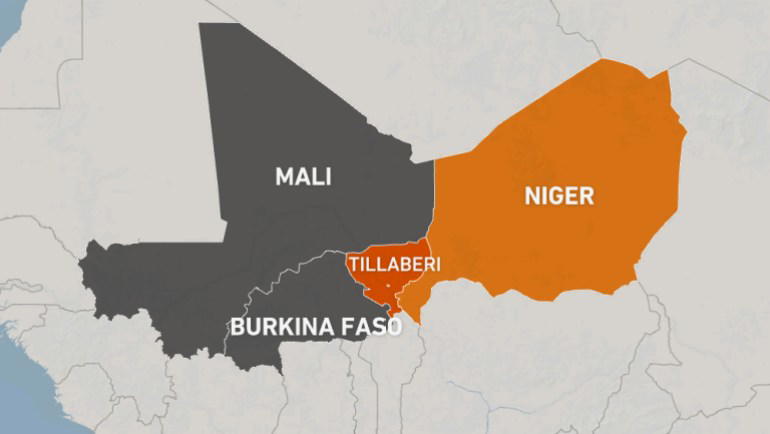
The International Criminal Court's (ICC) governing body has voiced significant concern regarding the recent withdrawals of Mali, Burkina Faso, and Niger from the court. These military-led West African states announced their departure in September, collectively criticizing the ICC as a tool of "neo-colonialist repression in the hands of imperialism."
taken note of the situation with concern
The ICC's Assembly of State Parties, which represents member nations, acknowledged the situation with apprehension. In a statement, the assembly expressed regret over the withdrawals, emphasizing the potential negative consequences for international justice.
Countries exiting the ICC "risk undermining the collective pursuit of justice and weakening global efforts to end impunity," the statement warned. This move by the three nations challenges the international community's commitment to holding individuals accountable for war crimes and crimes against humanity.
Countries leaving the ICC “risk undermining the collective pursuit of justice and weakening global efforts to end impunity”
While 125 countries are currently members of the ICC, several major global powers, including China, India, Russia, and the United States, have not joined the court. The withdrawals by Mali, Burkina Faso, and Niger add to a growing list of nations questioning the court's authority and purpose.
an instrument of neo-colonialist repression in the hands of imperialism
DistantNews Editorial
Originally published by Vanguard in English. Translated, summarized, and contextualized by our editorial team with added local perspective. Read our editorial standards.
More Stories


From Our Blog

How the Same Story Looks Different in Different Countries

What Gets Lost (and Found) When News Is Translated

The Critical Role of Diaspora Media in Global News

What Travellers Should Know About Countries with Restricted Press

A Digital Nomad's Guide to Following Local News
