

Iran aims to drive U.S. from Gulf after drone strike
Translated from German, summarized and contextualized by DistantNews.
At a glance
News
Named sources
Context piece
- Iran launched a drone attack on Kuwait, killing one and injuring over 60, as part of a long-term strategy to expel the U.S. from the Gulf region.
- The attack targeted Arab states for hosting U.S. military bases, highlighting Iran's ability to retaliate with asymmetric warfare despite military inferiority.
- The war has exposed the economic vulnerability of Gulf states, pushing Iran closer to its goal of removing U.S. influence from the region.
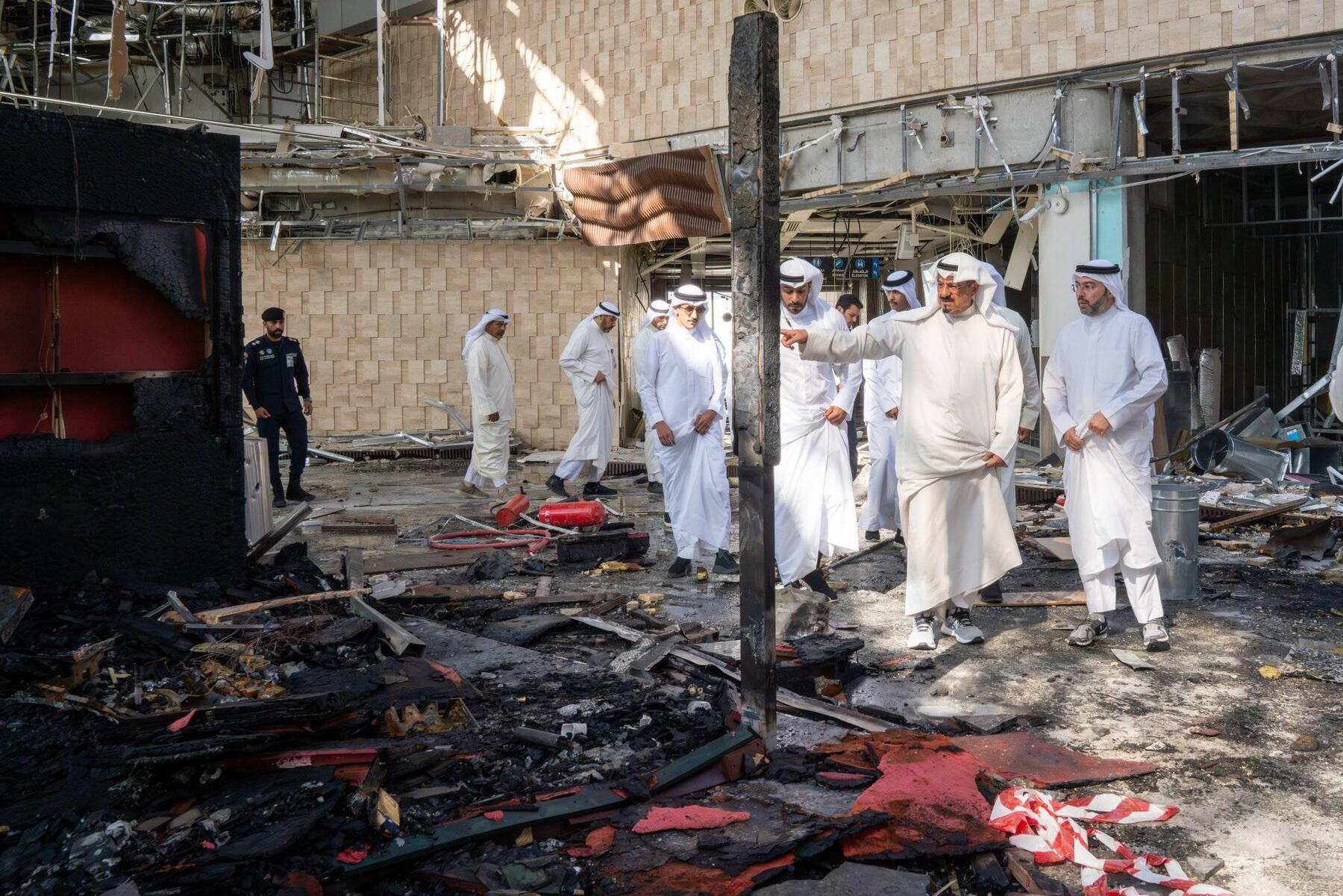
An Iranian drone strike on Kuwait, which killed one person and injured more than 60, is part of a long-term strategy to drive the United States out of the Gulf region, according to a report by Die Presse. The attack was not just retaliation for prior U.S. strikes on Iran's Kish Island but also a punishment for Arab states hosting U.S. military bases.
The U.S. maintains a significant military presence in the region, with its largest Middle East base in Qatar serving as the regional headquarters for the U.S. Central Command. This presence aims to protect Arab states from Iran and secure shipping lanes. However, the recent war, despite Iran's military inferiority, demonstrated its capability to strike back using asymmetric means like drones and missiles.
The war has once again shown the Gulf states that even highly developed air defense systems and close security relationships with the U.S. do not guarantee complete immunity against asymmetric Iranian retaliation strategies.
Attacks on energy facilities, ports, and infrastructure have underscored the economic vulnerabilities of modern conflicts. Experts note that even advanced air defense systems and close security ties with the U.S. do not guarantee immunity from such retaliatory strategies. This situation brings Iran closer to its long-held objective of expelling the U.S. from the Gulf, with Iranian leadership stating that the U.S. no longer has a "safe haven" in the region.
The U.S. no longer has a safe haven in the region. This development cannot be reversed. The countries of the region will no longer serve as shields for U.S. bases.
DistantNews Editorial
Originally published by Die Presse in German. Translated, summarized, and contextualized by our editorial team with added local perspective. Read our editorial standards.
More Stories


From Our Blog

What Gets Lost (and Found) When News Is Translated

The Critical Role of Diaspora Media in Global News

What Travellers Should Know About Countries with Restricted Press

A Digital Nomad's Guide to Following Local News

How the Same Story Looks Different in Different Countries
