


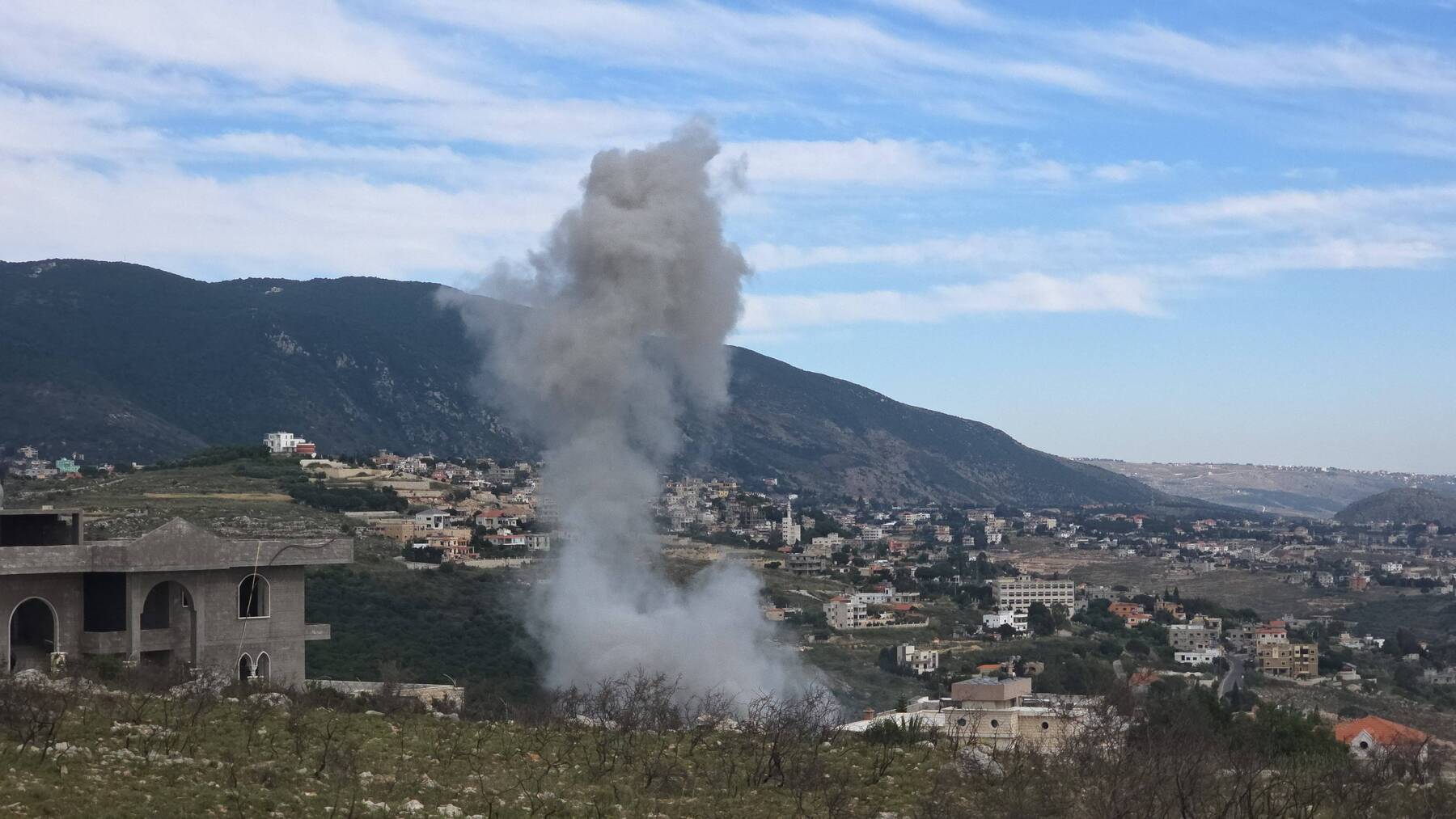
Israel and Lebanon agree on ceasefire implementation
Translated from German, summarized and contextualized by DistantNews.
At a glance
News
Official statement
New plan
- Israel and Lebanon have agreed to implement a ceasefire, contingent on the Hezbollah militia ceasing its attacks.
- The agreement, brokered by the U.S. State Department, includes the establishment of security zones controlled by regular Lebanese forces.
- The deal aims to pave the way for a comprehensive peace and security agreement, though the specifics of the security zones remain unclear.
Israel and Lebanon have reached an agreement to implement a ceasefire, a development announced by the U.S. State Department following negotiations in Washington. The accord hinges on the pro-Iranian Hezbollah militia completely halting its attacks against Israel and withdrawing from areas south of the Litani River.
The agreement outlines the creation of "pilot zones" within Lebanon, where only regular Lebanese armed forces will exercise control. Hezbollah is expected to pull back from the border region. The exact mechanisms for establishing these security zones are still undefined. The joint statement suggests these steps will "enable progress toward a comprehensive peace and security agreement."
These steps will enable progress toward a comprehensive peace and security agreement.
The future relationship between Israel and Lebanon is to be determined by their respective governments. The statement rejected any attempts by "state or non-state actors" to hold "Lebanon's future hostage," a clear reference to Iran's support for Hezbollah. The militia itself is not part of these Israeli-Lebanese discussions.
This fragile ceasefire follows a period of open conflict between Israel and Hezbollah, particularly in the wake of the Gaza war. A previous ceasefire in November 2024 proved tenuous, with Israel reporting continued Hezbollah rearmament and targeting militia sites within Lebanon.
Lebanon's future hostage
DistantNews Editorial
Originally published by Die Presse in German. Translated, summarized, and contextualized by our editorial team with added local perspective. Read our editorial standards.
More Stories


From Our Blog

What Gets Lost (and Found) When News Is Translated

The Critical Role of Diaspora Media in Global News

What Travellers Should Know About Countries with Restricted Press

A Digital Nomad's Guide to Following Local News

How the Same Story Looks Different in Different Countries
