


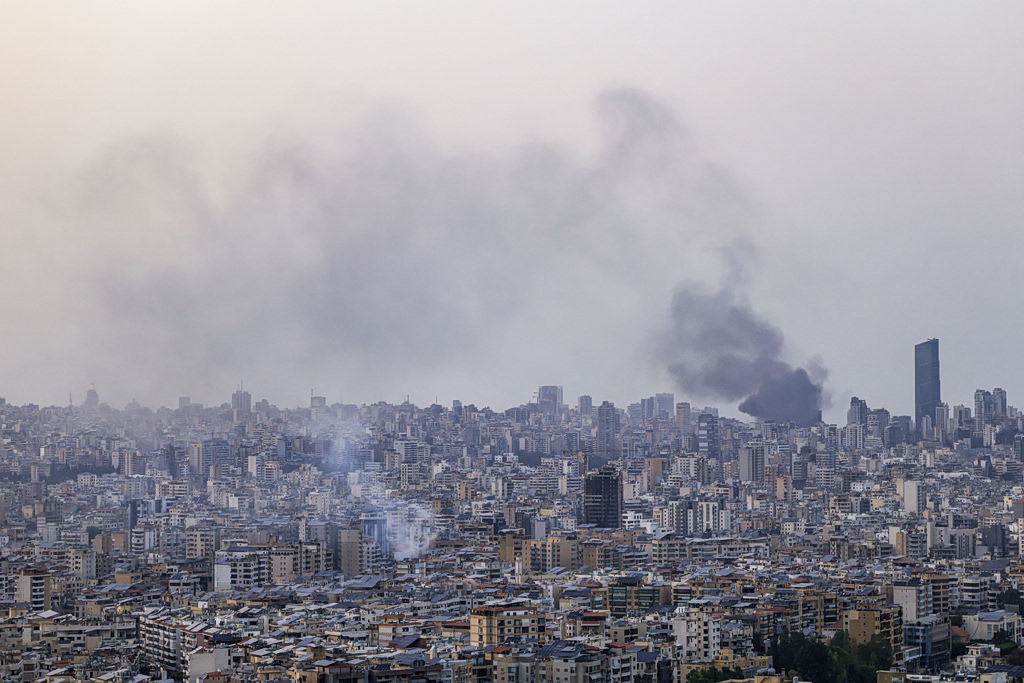
Iran Conflict Threatens Systemic Destruction of Gas Demand
Translated from Greek, summarized and contextualized by DistantNews.
TLDR
- The head of the Gas Exporting Countries Forum (GECF) warns that the conflict in Iran is causing systemic destruction of gas demand.
- Measures taken by governments to mitigate the crisis could lead to permanent changes in the global energy market if the conflict continues.
- African gas producers are missing an opportunity to fill the supply gap due to operational limitations, while North American producers are gaining market share in Europe and Asia.
The ongoing conflict in Iran poses a significant threat to global gas demand, potentially causing systemic and structural damage to the market, according to Philip Mshelbila, the Secretary General of the Gas Exporting Countries Forum (GECF). Speaking at the Invest in African Energy conference in Paris, Mshelbila highlighted that while governments are implementing measures to cushion the impact of the crisis, these actions could lead to lasting shifts in the energy landscape if the conflict persists. The disruption, which began in late February, has already seen over 500 million barrels of crude and condensate withdrawn from the global market, marking the most substantial energy supply interruption in modern history. Countries reliant on Gulf supplies are reverting to coal and accelerating their transition to renewables. Mshelbila cautioned that a conflict lasting six months could transform temporary reactions into structural changes, altering the expected transition from a tight market to oversupply in 2026. He specifically addressed African energy ministers, noting that African gas producers are failing to capitalize on the opportunity to fill the supply void created by Middle Eastern disruptions and shipping constraints. Despite having spare production capacity, many African nations are not operating at full potential, allowing North American producers to steadily capture European and Asian markets. Mshelbila lamented this missed opportunity, stating, "Unfortunately, we are losing the opportunity because we do not have the elements to fill the infrastructure."
If the conflict ended today, the world would recover in six months to a year. But if it lasts six months, these reflexive changes we are seeing may become structural.
DistantNews Editorial
Originally published by Ta Nea in Greek. Translated, summarized, and contextualized by our editorial team with added local perspective. Read our editorial standards.
More Stories

From Our Blog

What Gets Lost (and Found) When News Is Translated

The Critical Role of Diaspora Media in Global News

What Travellers Should Know About Countries with Restricted Press

A Digital Nomad's Guide to Following Local News

How the Same Story Looks Different in Different Countries
