


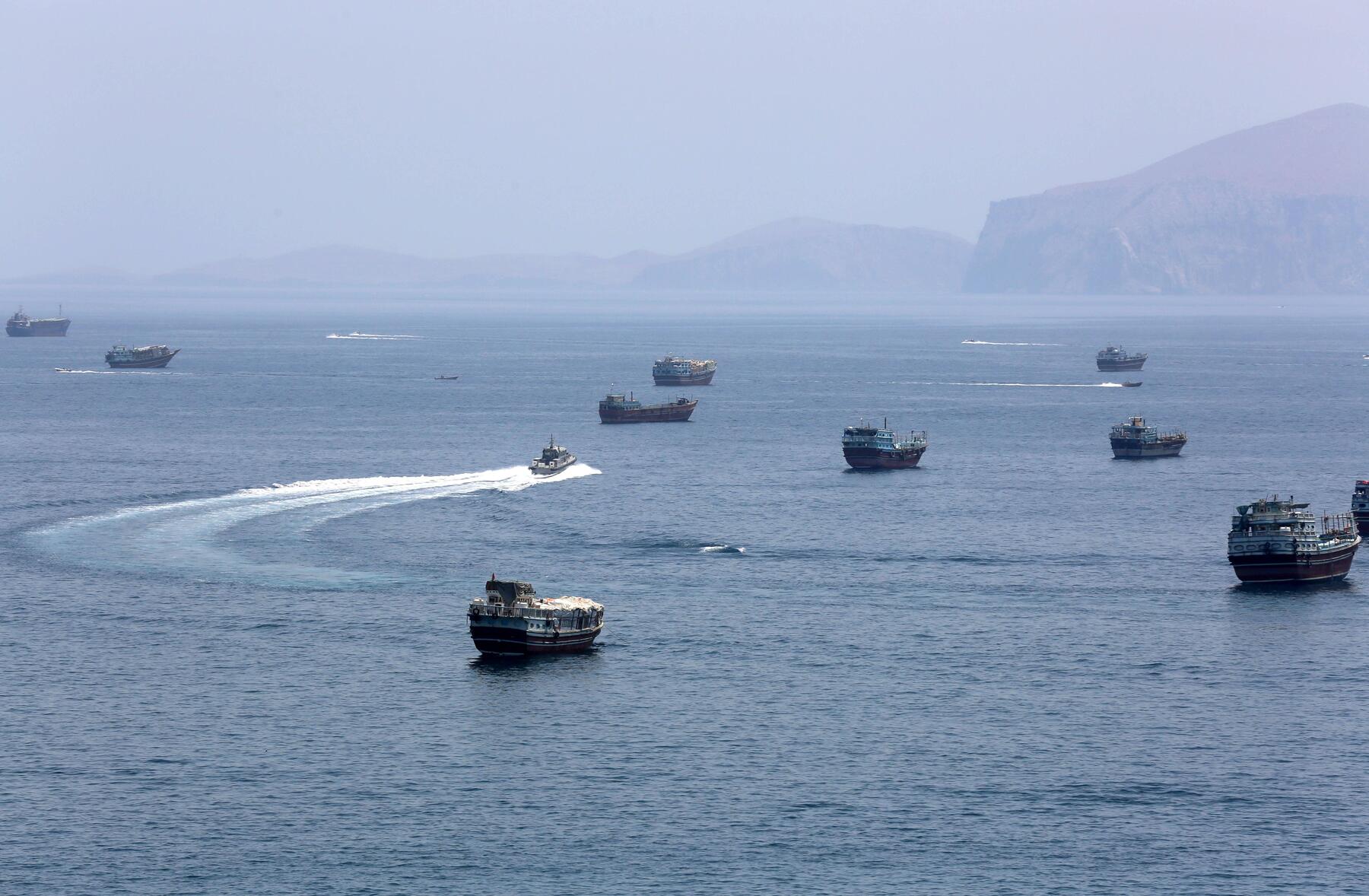
Iran declares Strait of Hormuz closed; U.S. rejects claim
Translated from German, summarized and contextualized by DistantNews.
At a glance
News
Sources not specified
Ongoing story
- Iran's central military command announced the closure of the Strait of Hormuz, citing Israeli attacks in southern Lebanon as a violation of a framework agreement with the U.S.
- The U.S. military refuted Iran's claim, stating the strait remains open and that ship traffic has increased.
- The announcement comes despite a U.S.-Iran framework agreement signed Wednesday aimed at a regional ceasefire, with fighting continuing between Israel and Hezbollah.
Iran's central military command declared the Strait of Hormuz closed to shipping on Saturday, a move it framed as a response to Israeli attacks in southern Lebanon. The command stated this action violated a framework agreement with the United States intended to end the war. Iran warned that further steps would be taken if aggression continued, aiming to compel adherence to obligations.
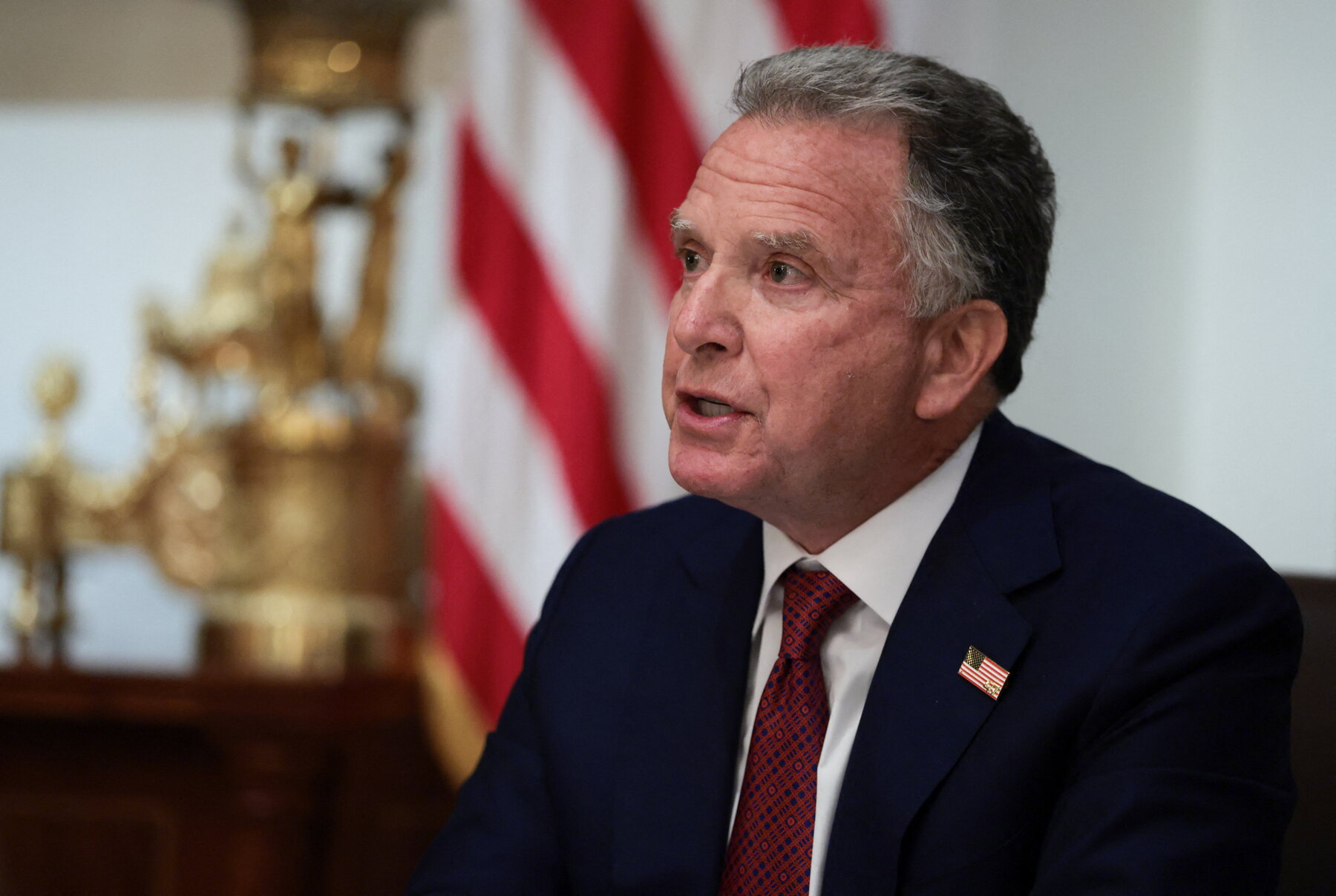
However, the U.S. military immediately countered Iran's assertion. Spokesman Tim Hawkins asserted that Iran does not control the strait and that maritime traffic remains open. U.S. Central Command (CENTCOM) reported on X that ship traffic had actually increased, with 55 vessels carrying 17 million barrels of oil passing through the strait on Saturday.
The situation unfolds despite a framework agreement signed Wednesday between Iran and the U.S. that was meant to establish a ceasefire across the region, including Lebanon. Nevertheless, Israeli forces and the Iran-backed Hezbollah militia have continued their clashes. Lebanese media reported at least 35 deaths from Israeli airstrikes, with the Israeli army and Hezbollah blaming each other for violations of the truce. The ongoing conflict and Iran's declaration regarding the Strait of Hormuz highlight the fragile state of regional stability.
DistantNews Editorial
Originally published by Die Presse in German. Translated, summarized, and contextualized by our editorial team with added local perspective. Read our editorial standards.
More Stories


From Our Blog

What Gets Lost (and Found) When News Is Translated

The Critical Role of Diaspora Media in Global News

What Travellers Should Know About Countries with Restricted Press

A Digital Nomad's Guide to Following Local News

How the Same Story Looks Different in Different Countries
