


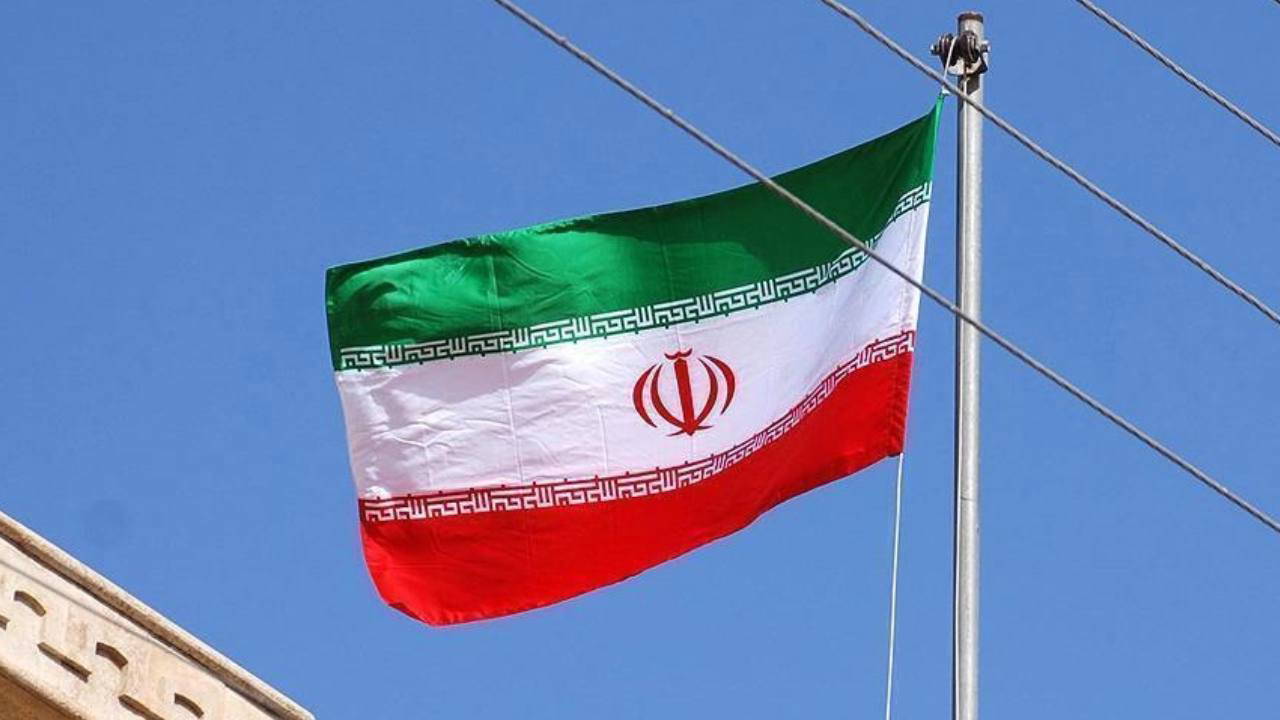
Iran denies role in Egypt port drone attack, suggests 'false flag'
Translated from Turkish, summarized and contextualized by DistantNews.
At a glance
News
Sources not specified
Outcome reported
- Iran's Foreign Ministry spokesperson denied any involvement in a drone attack on Egypt's Damietta port.
- The spokesperson suggested the attack could be a
Iran's Foreign Ministry has denied any role in a drone attack that struck two gasification and storage vessels at Egypt's Damietta port. Ministry spokesperson Ismail Ghaani stated that Iran respects Egypt's sovereignty and territorial integrity, unequivocally rejecting any connection to the Damietta attacks.
While approaching the incident in Egypt with "suspicion," Ghaani highlighted the possibility of a "false flag" operation aimed at creating discord among regional nations. He also noted that Iranian Foreign Minister Abbas Araghchi had previously warned about Israeli provocations in the region, emphasizing the high importance of Egypt's security to Iran.
The incident at Damietta port, which occurred on July 30, 2026, involved a fire on two vessels. Initial investigations by the Egyptian Cabinet indicated the fire resulted from a kamikaze drone attack. The Damietta Port Authority confirmed that port activities continued despite the targeting of the two vessels by drones.
Iran's policy of respecting Egypt's sovereignty and territorial integrity is clear to everyone. We absolutely deny any involvement in the Dimyat attacks. Iran has no connection to the drone attack on Egypt.
In response to questions about the drone attack on an LNG tanker in Egypt, U.S. President Donald Trump stated he had been briefed and the situation appeared similar, but confirmation was pending. Trump mentioned that a different group claimed responsibility and apologized, but the U.S. still felt compelled to respond to the tanker attack.
Meanwhile, Yemen's Houthi group denied claims of targeting two vessels in Egypt's Damietta Port, asserting that maritime traffic in the Red Sea remains secure.
The situation looks almost the same, but it will become clear.
DistantNews Editorial
Originally published by Cumhuriyet in Turkish. Translated, summarized, and contextualized by our editorial team with added local perspective. Read our editorial standards.
More Stories


From Our Blog

What Gets Lost (and Found) When News Is Translated

The Critical Role of Diaspora Media in Global News

What Travellers Should Know About Countries with Restricted Press

A Digital Nomad's Guide to Following Local News

How the Same Story Looks Different in Different Countries
