

Iran Dodges US Blockade Through Iraq as New Smuggling Route
Summarized and contextualized by DistantNews.
At a glance
News
Named sources
Context piece
- Iraq's Umm Qasr port is becoming a key transit hub for Iran-bound cargo, bypassing a US-led maritime blockade.
- Shipments are rerouted through Iraq from UAE ports, using land or water routes to enter Iran.
- This new route helps Iran sustain trade despite restrictions and congestion on alternative pathways like Oman's Khasab port.
Iraq's Umm Qasr port is emerging as a vital transit point for Iranian cargo, offering a workaround to a US-led maritime blockade that has disrupted Tehran's traditional southern port access for over 50 days. Trade sources indicate that shipments, including vehicles, are now being rerouted through Iraq after arriving from UAE ports on non-Iranian vessels.
Shipments destined for Iran, including vehicles, are now being rerouted through Iraq after being transported from ports in the United Arab Emirates aboard non-Iranian vessels.
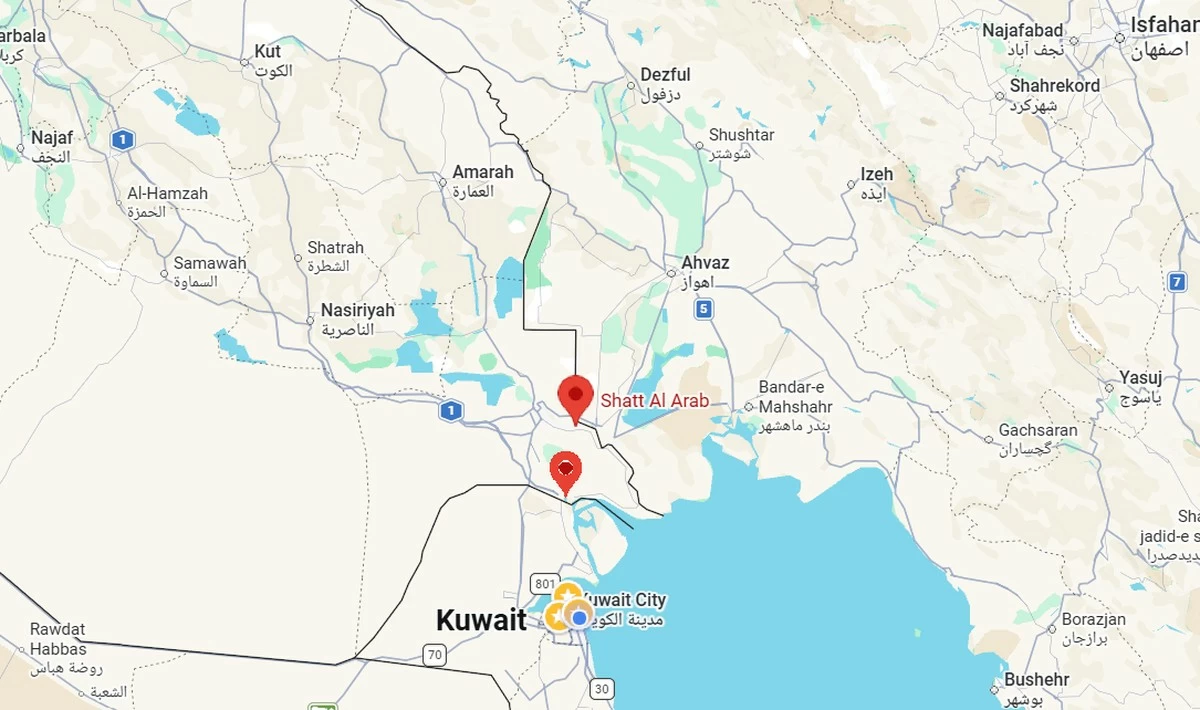
The cargo then moves into Iran via land or water. Some shipments travel overland through Basra and the Shalamcheh border crossing into Iran's Khuzestan province, while others are transported by water through the Shatt al-Arab waterway to Iranian ports like Khorramshahr. This shift helps maintain trade flows despite restrictions on Iranian shipping in the Strait of Hormuz.
The cargo is then moved onward into Iran by land or water, helping sustain trade flows despite restrictions on Iranian-linked shipping in the Strait of Hormuz.
The growing importance of Umm Qasr highlights Iran's efforts to diversify its supply routes amid mounting pressure on its maritime network. The Iraqi port's strategic location near southern Iran makes it an attractive alternative for businesses seeking to bypass existing restrictions. However, the route is not without risks, as evidenced by a recent incident where the IRGC reportedly targeted a commercial vessel near Umm Qasr, citing links to the US and Israel.
The growing importance of Umm Qasr highlights Tehran’s efforts to diversify supply routes and maintain trade despite mounting pressure on its maritime network.
Despite increased costs, longer transit times, and security concerns, traders continue to explore these new pathways. Iran is adapting to one of the most significant disruptions to its maritime trade in recent years, with Umm Qasr playing a crucial role in its efforts to circumvent international sanctions.
The attack underscored the security challenges facing alternative trade corridors in the Gulf region.
DistantNews Editorial
Originally published by Arab Times. Summarized and contextualized by our editorial team with added local perspective. Read our editorial standards.
More Stories

From Our Blog

What Gets Lost (and Found) When News Is Translated

The Critical Role of Diaspora Media in Global News

What Travellers Should Know About Countries with Restricted Press

A Digital Nomad's Guide to Following Local News

How the Same Story Looks Different in Different Countries
