



Iran 'Locks' Strait of Hormuz, Sets Demands for U.S. to Reopen
Translated from Greek, summarized and contextualized by DistantNews.
At a glance
News
Named sources
Ongoing story
- Iran has set stringent conditions for the United States before reopening the Strait of Hormuz, contradicting recent progress in talks with Oman.
- Key demands include an end to the "war and attack" against Iran and its allies, lifting port blockades, and removing sanctions.
- Iran also seeks compensation for war damages, linking the reopening of the strait to a change in U.S. behavior.
A high-ranking Iranian official has laid down strict conditions for the United States regarding the Strait of Hormuz, casting doubt on hopes for reopening the strategically vital waterway. These demands, articulated by Iran's Supreme National Security Council Secretary Mohammad Bagher Zolghadr, contrast with recent reports of progress in talks between Iran and Oman concerning the strait's future management.
"The Strait of Hormuz will remain closed as long as the U.S. does not change its behavior," Zolghadr warned, according to Iranian media. The conditions presented include a definitive end to the "war and attack" against Iran and its allies, as well as the lifting of U.S. blockades on Iranian ports. Furthermore, Iran is demanding the removal of American sanctions and the release of its frozen assets.
Iran also seeks "full compensation" for damages incurred from what it describes as a war initiated on February 28th by U.S.-Israeli strikes against the Islamic Republic. Some of these demands echo terms from an Iranian-American agreement in June that established a ceasefire and allowed for the resumption of traffic through the strait, paving the way for broader conflict resolution negotiations. However, this ceasefire collapsed in early July, leading to renewed U.S. strikes and retaliatory actions by Iran against Washington's allies in the Middle East.
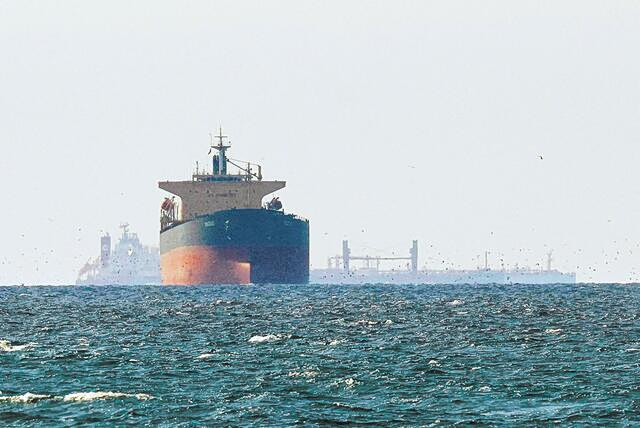
The Strait of Hormuz, critical for global hydrocarbon trade, has been effectively "locked" again by Iran, which routinely targets vessels entering without its permission. Tehran is resisting a return to the pre-war status quo and intends to eventually impose service fees, a move strongly opposed by the U.S. Despite this, Iran has recently assured Oman, which also borders the strait, of an agreement on a shipping route. Oman's Foreign Ministry reported that negotiations are proceeding positively, though it condemned "repeated attacks" and called for restraint to protect the diplomatic process. Meanwhile, a tanker belonging to the UAE's ADNOC was targeted by a missile in the strait without casualties, an attack Abu Dhabi attributed to Iran.
The Strait of Hormuz will remain closed as long as the U.S. does not change its behavior.
DistantNews Editorial
Originally published by Ta Nea in Greek. Translated, summarized, and contextualized by our editorial team with added local perspective. Read our editorial standards.
More Stories


From Our Blog

What Gets Lost (and Found) When News Is Translated

The Critical Role of Diaspora Media in Global News

What Travellers Should Know About Countries with Restricted Press

A Digital Nomad's Guide to Following Local News

How the Same Story Looks Different in Different Countries
