


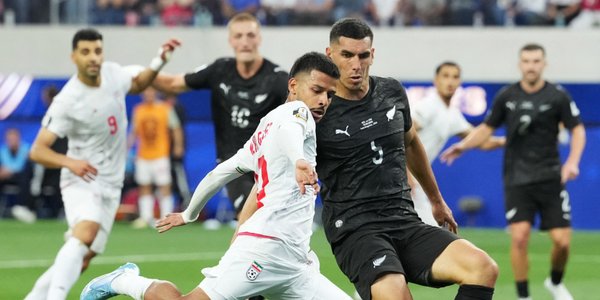
Iran navigates World Cup amid security, political tensions and diaspora protests
Translated from Polish, summarized and contextualized by DistantNews.
At a glance
News
Sources not specified
Context piece
- Iran's national football team faces heightened security during the World Cup in the USA due to ongoing tensions with the US.
- The team's participation was uncertain following the outbreak of war, with logistical challenges including visa issues and restricted fan access.
- Despite protests from the Iranian diaspora and political sensitivities, the team aims to unite Iranians through football.
Iran's journey to the World Cup in the USA, Canada, and Mexico has been fraught with obstacles, leading to them being one of the most heavily protected national teams in the tournament's history. Their team bus in Tijuana is escorted by armed National Guard units, a stark reminder of the dangerous environment. Just days prior, a body wrapped in a black bag was discovered in a car trunk near the stadium where the Iranian team trains. The team's participation was in doubt after the outbreak of war with the US, causing delays in their decision to compete. They initially requested their matches be moved to Mexico and later relocated their base from Arizona to Mexico, flying only for games in Los Angeles and Seattle. Further complications arose when players received US visas only days before the tournament, while some staff and federation representatives did not. Ticket allocations for their fans were also revoked. Consequently, the Iranian team flies into the US the day before each match for press conferences and official training, then immediately returns to Mexico post-game to avoid escalating tensions. This marks the first time a World Cup host nation is participating against a country with which it is at war, although a peace agreement was announced the day before their match. The Iranian sports minister had warned that the coach might pull the players off the field if political chants or banners appeared. Despite these challenges, fans from the Iranian diaspora, particularly in Los Angeles's "Tehrangeles" area, welcomed the team. However, some protesters believe the team represents the regime, not the country. Captain Mehdi Taremi stated, "We play for every Iranian. People have different views, but we, the players, are here to unite and try to bring joy to all Iranians, regardless of where they live. Everyone can have their own opinion. We are not here to get involved in politics, but to play football." Another key player, Sardar Azmoun, was dropped from the squad after posting a photo with the Emir of Dubai, an act deemed disloyal to the state and supportive of the US. The team's form was an unknown factor heading into their match against New Zealand, with Taremi expressing hope for fan support and prayers.
We play for every Iranian. People have different views, but we, the piłkarze, are here to unite and postaramy się przynieść radość wszystkim Irańczykom, niezależnie od miejsca zamieszkania. Każdy może mieć własne zdanie. Nie jesteśmy tu po to, by angażować się w politykę, ale by grać w piłkę.
DistantNews Editorial
Originally published by Rzeczpospolita in Polish. Translated, summarized, and contextualized by our editorial team with added local perspective. Read our editorial standards.
More Stories
From Our Blog

What Gets Lost (and Found) When News Is Translated

The Critical Role of Diaspora Media in Global News

What Travellers Should Know About Countries with Restricted Press

A Digital Nomad's Guide to Following Local News

How the Same Story Looks Different in Different Countries
