


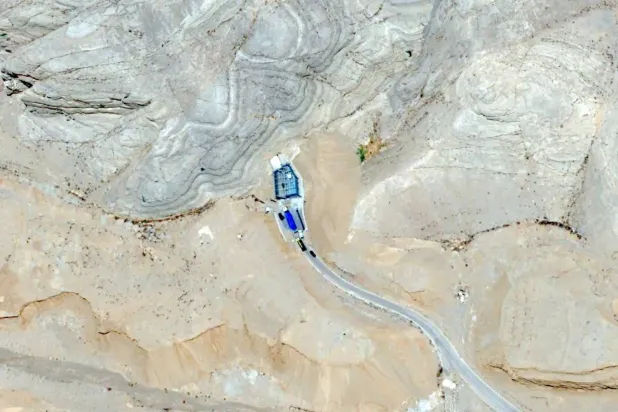
Iran Nuclear Program 'Badly Damaged' But Not Wiped Out
Translated from English, summarized and contextualized by DistantNews.
TLDR
- Recent attacks by the U.S. and Israel have significantly damaged Iran's nuclear and ballistic capabilities, hindering its path to a nuclear bomb.
- However, Iran retains a substantial stockpile of highly enriched uranium, crucial for potential future negotiations.
- Experts and diplomatic sources caution that while Iran's program is set back, it is not entirely eliminated, and its know-how has been impacted by the loss of scientists.
The recent military actions by the United States and Israel have dealt a severe blow to Iran's nuclear ambitions, according to assessments by experts and diplomatic sources. While these strikes have demonstrably damaged Tehran's nuclear infrastructure and ballistic capabilities, effectively obstructing its immediate path toward developing a nuclear weapon, they have not completely dismantled the program. Crucially, Iran appears to retain a significant quantity of highly enriched uranium, a key component for any future nuclear device and a potential bargaining chip in negotiations. This suggests that while the immediate threat may be diminished, the long-term challenge persists.
we were told the program had been set back by several years, before the figure was revised to just several months.
Despite claims from Israeli Prime Minister Benjamin Netanyahu that the program has been "wiped out," European diplomatic sources express caution, noting that initial assessments of the setback have been revised multiple times. The narrative emerging is that Iran's nuclear program has been substantially delayed rather than eradicated. The targeting of scientists and universities, where critical data and expertise were housed, has reportedly undermined Iran's technical know-how. This strategic targeting aims not only to destroy physical assets but also to degrade the human capital essential for rebuilding such a complex program.
Iran is no longer a threshold power as it once was.
From our perspective, the situation highlights the complex and often protracted nature of nuclear proliferation challenges. While military action can inflict significant damage, it rarely provides a permanent solution. The continued possession of enriched uranium by Iran underscores the need for sustained diplomatic engagement and robust verification mechanisms. The international community, including ourselves, must carefully weigh the effectiveness and long-term consequences of military interventions against the necessity of preventing Iran from acquiring nuclear weapons. The focus remains on ensuring Iran does not become a threshold state, while acknowledging the resilience and adaptability of its nuclear program.
Overall, this conflict has set back Iran's nuclear program substantially. It will take a significant amount of time, investment, and resources to reconstitute all of those lost capabilities. However, the gains from the conflict are not permanent by any means.
DistantNews Editorial
Originally published by Asharq Al-Awsat in English. Translated, summarized, and contextualized by our editorial team with added local perspective. Read our editorial standards.
More Stories



From Our Blog

What Gets Lost (and Found) When News Is Translated

The Critical Role of Diaspora Media in Global News

What Travellers Should Know About Countries with Restricted Press

A Digital Nomad's Guide to Following Local News

How the Same Story Looks Different in Different Countries
