

Iran reconstruction fund becomes flashpoint in US-Tehran ceasefire deal
Translated from English, summarized and contextualized by DistantNews.
At a glance
News
Sources not specified
New plan
- A $300 billion reconstruction fund for Iran has become a contentious point in a new ceasefire agreement between the US and Iran.
- The agreement lacks details on how contributions to the fund will be allocated.
- President Trump stated the US would not invest directly and denied pressuring Gulf states, contradicting earlier remarks by Vice President Vance about a "Gulf coast coalition" backing the fund.
A newly brokered ceasefire agreement between Washington and Tehran has ignited controversy over a $300 billion reconstruction fund for Iran, raising critical questions about who will bear the financial burden. The agreement itself offers no specifics on the fund's contribution allocation, leaving its operational details ambiguous.
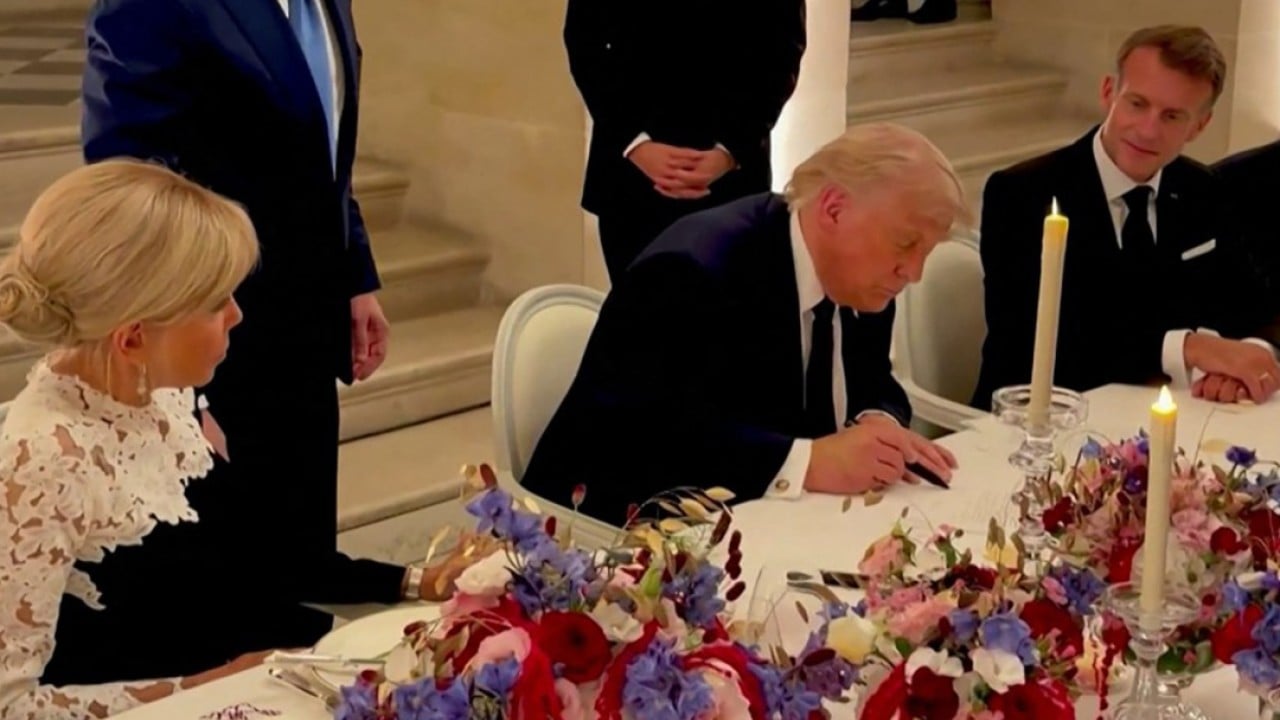
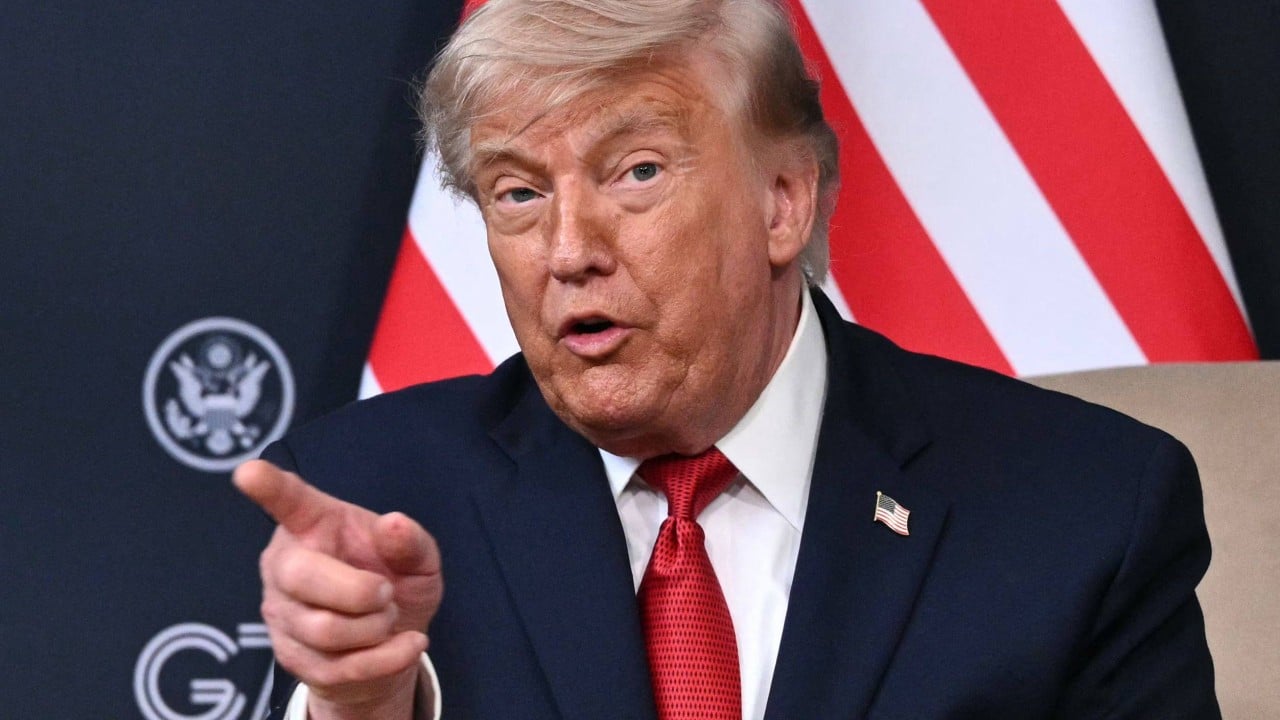
U.S. President Donald Trump moved swiftly to distance the United States from direct financial involvement. Speaking at the G7 summit near Paris, Trump asserted that the U.S. would not invest in the fund and refuted reports suggesting pressure on Gulf states to contribute. This statement appeared to clash with remarks made by U.S. Vice President J.D. Vance earlier in the week.
the US would not invest in the fund and dismissed reports that it had pressured Gulf states to contribute.
Vance had told CBS that Iran could access a reconstruction fund supported by a "Gulf coast coalition," contingent upon Tehran fulfilling its obligations under the deal. The discrepancy between the President's and Vice President's statements adds another layer of complexity to the fund's uncertain future and the broader implications of the ceasefire agreement.
Iran could gain access to a reconstruction fund backed by what he called a “Gulf coast coalition”, provided Tehran met its obligations under the deal.
DistantNews Editorial
Originally published by South China Morning Post in English. Translated, summarized, and contextualized by our editorial team with added local perspective. Read our editorial standards.
More Stories
From Our Blog

Countries Without a Free Press: What You Need to Know

What Press Freedom Means for the News You Read

What Gets Lost (and Found) When News Is Translated

The Critical Role of Diaspora Media in Global News

What Travellers Should Know About Countries with Restricted Press
