


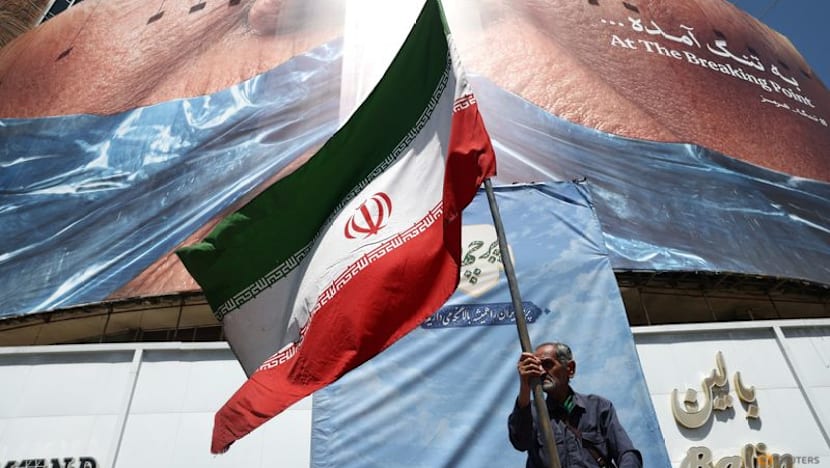
Iran rejects idea of using its assets to pay damages to US allies
Summarized and contextualized by DistantNews.
At a glance
News
Named sources
Context piece
- Iran's Deputy Foreign Minister rejected the idea of using Iranian assets to compensate US allies for war damages, calling it a "wrongful act."
- Reports suggested the US might make Iranian assets available to Gulf allies for rebuilding and repairs from past and future damage.
- Iran warned that any seizure of its assets without consent would prompt an "appropriate response" and violate international law.
Iran has firmly rejected the notion that its frozen assets could be used to compensate regional allies for war-related damages, with Deputy Foreign Minister Kazem Gharibabadi calling such a move a "wrongful act."
Responding to reports that the United States might make Iranian assets available to Gulf allies for rebuilding and repairs, Gharibabadi stated on X that Iran's assets are "neither war spoils for Washington nor a payment fund for its allies." He added that regional governments were "not in a position to demand reparations."
Iran's assets are neither war spoils for Washington nor a payment fund for its allies.
Reuters, citing a source, reported that the US Treasury Secretary had directed a team to assess the cost of damage inflicted on Gulf allies by Iran. The US might also consider using Iranian assets to support repairs for past damages, the report said.
Gharibabadi warned that any seizure, transfer, or allocation of Iranian assets without Tehran's consent would constitute a "new internationally wrongful act," potentially leading to US responsibility. He stated that such a move would prompt an "appropriate response" from Iran. The deputy minister also asserted that regional governments allowing their territory to be used for aggression against Iran should compensate Tehran for damages.
any seizure, transfer or allocation of Iranian assets without the consent of the Iranian government would constitute 'a new internationally wrongful act'.
DistantNews Editorial
Originally published by CNA. Summarized and contextualized by our editorial team with added local perspective. Read our editorial standards.
More Stories



From Our Blog

What Gets Lost (and Found) When News Is Translated

The Critical Role of Diaspora Media in Global News

What Travellers Should Know About Countries with Restricted Press

A Digital Nomad's Guide to Following Local News

How the Same Story Looks Different in Different Countries
