

Iran's President admits economic difficulties amid U.S. sanctions threat
Translated from German, summarized and contextualized by DistantNews.
At a glance
News
Named sources
Ongoing story
- Iranian President Massud Peseschkian acknowledged the country faces significant economic difficulties, citing "considerable imbalances" in essential supplies.
- Parliament Speaker Mohammed Bagher Ghalibaf warned the U.S. of severe consequences for its announced "economic war" against Iran.
- National Security Council chief Mohsen Resai threatened to block oil shipments through the Strait of Hormuz and other regional routes if neighboring countries join U.S. sanctions.
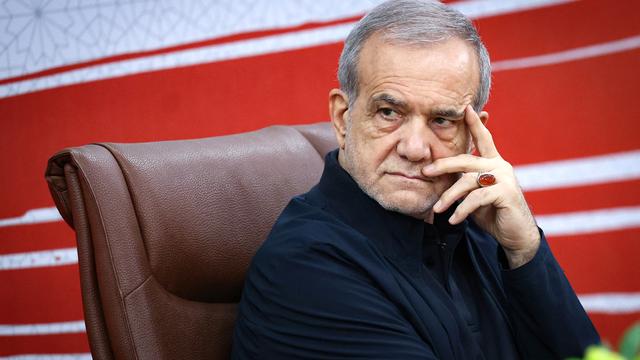
Iranian President Massud Peseschkian has acknowledged the country's economic struggles, stating that Iran is confronting an "all-encompassing economic, military, and security war." He specifically pointed to "considerable imbalances" in the supply of water, electricity, gas, and gasoline. Despite these challenges, Peseschkian expressed confidence in Iran's resilience, attributing it to the unity and steadfastness of its people.
with a comprehensive economic, military, and security war
Meanwhile, Iranian Foreign Minister Abbas Araghtschi commented that economic warfare is a recurring tactic used by the U.S. as part of its long-standing intimidation strategy, asserting that Iran has learned to cope with such pressures. The warnings from Iran come ahead of a planned press conference by U.S. Treasury Secretary Scott Bessent, where he is expected to announce what are described as the "toughest sanctions in history" against Iran.
considerable imbalances
Iranian Parliament Speaker Mohammed Bagher Ghalibaf issued a stern warning to the United States regarding the repercussions of its declared "economic war." Ghalibaf shared a graphic on social media platform X, suggesting that intensified sanctions against Iran would boomerang back to harm the U.S. itself. Adding to the escalating rhetoric, Mohsen Resai, the head of Iran's National Security Council, threatened that any oil-rich neighboring countries joining the U.S. sanctions would be considered enemies.
economic warfare is a recurring pattern and part of the long-standing intimidation tactics of the United States. Iran has learned to deal with it.
Resai further declared in a state television address that Iran would not only block oil supplies through the Strait of Hormuz but also disrupt shipments via other regional routes. "Not a drop of oil will pass through the Persian Gulf," Resai stated. These threats follow President Donald Trump's announcement of an "economic D-Day" for Iran and his promise of severe measures against supporters of the Iranian government. The U.S. appears to be shifting its strategy to economically subdue Iran, particularly after military hostilities have subsided. The Pakistani army chief is also expected to visit Tehran today, according to Iranian Foreign Ministry spokesman Ismail Baghai.
will hit the USA like a boomerang
DistantNews Editorial
Originally published by Die Zeit in German. Translated, summarized, and contextualized by our editorial team with added local perspective. Read our editorial standards.
More Stories


From Our Blog

What Gets Lost (and Found) When News Is Translated

How the Same Story Looks Different in Different Countries

The Critical Role of Diaspora Media in Global News

What Travellers Should Know About Countries with Restricted Press

A Digital Nomad's Guide to Following Local News
