

Iran's Revolutionary Guard warns against backing down on Hormuz control
Translated from Turkish, summarized and contextualized by DistantNews.
At a glance
News
Official statement
Context piece
- Iran's Islamic Revolutionary Guard Corps (IRGC) stated it will not back down regarding control of the Strait of Hormuz.
- An IRGC official declared the strait is a conflict zone and Iran will maintain control until its conditions are met.
- Iran's Foreign Minister previously linked the opening of the strait to the U.S. fulfilling certain conditions, including compensating for violations of the Islamabad Accord.
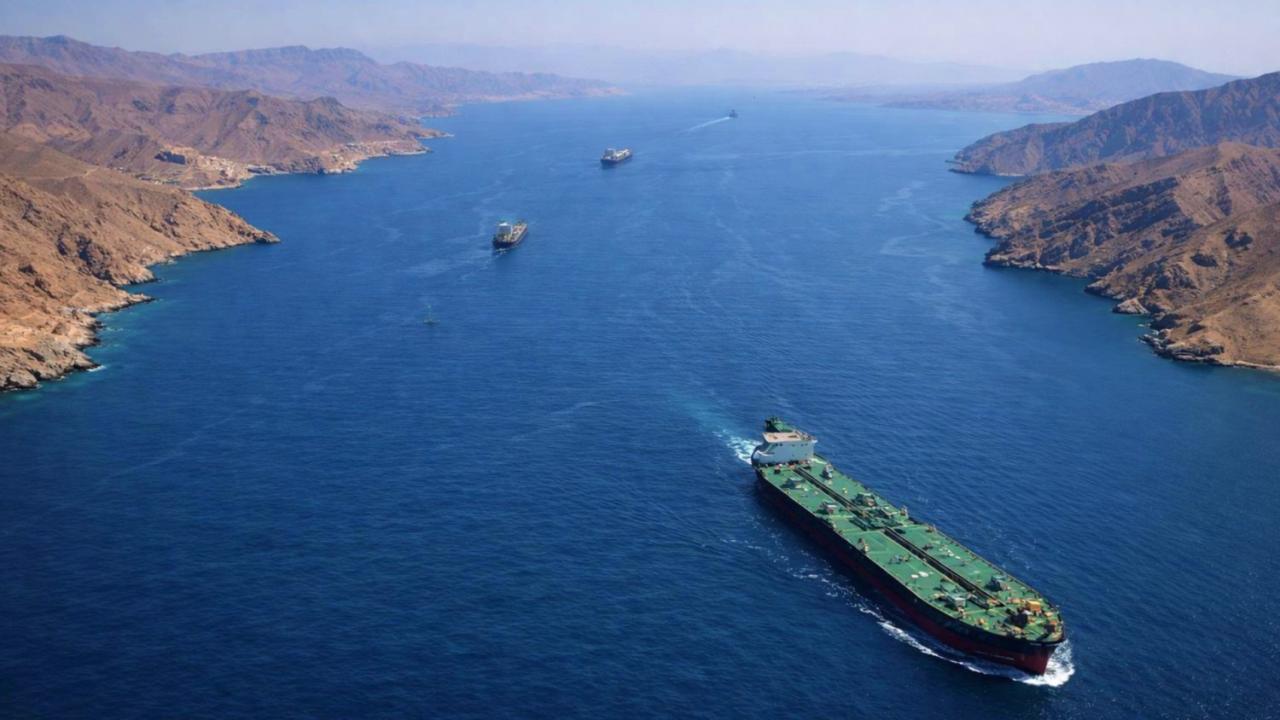
Iran's Islamic Revolutionary Guard Corps (IRGC) has issued a strong warning against any attempts to challenge its control over the Strait of Hormuz, a vital waterway for global oil transit. An IRGC official, speaking to Iranian state television, emphasized the strategic importance of the strait, describing it not just as a passage but as a potential conflict zone.
"Our strategy is to keep the strait under control until the enemy accepts all our conditions," the official stated, signaling Iran's firm stance on the issue. This declaration underscores Iran's determination to leverage its geographical position to exert influence and potentially dictate terms to international powers.
Our strategy is to keep the strait under control until the enemy accepts all our conditions.
The IRGC's assertion follows previous remarks by Iran's Foreign Minister, Abbas Erakchi. He had previously linked the reopening of the Strait of Hormuz to the United States meeting specific demands. These demands reportedly include compensation for alleged violations of the Islamabad Accord, indicating a broader set of grievances that Iran seeks to address through its control over the strategic chokepoint.
The opening of the Strait of Hormuz is conditional on other conditions, including compensation for the violation of the Islamabad Accord by the United States.
DistantNews Editorial
Originally published by Cumhuriyet in Turkish. Translated, summarized, and contextualized by our editorial team with added local perspective. Read our editorial standards.
More Stories
From Our Blog

What Gets Lost (and Found) When News Is Translated

The Critical Role of Diaspora Media in Global News

What Travellers Should Know About Countries with Restricted Press

A Digital Nomad's Guide to Following Local News

How the Same Story Looks Different in Different Countries
