

Iran Sets Conditions for Strait of Hormuz: 'No Return to Pre-War State'
Translated from Polish, summarized and contextualized by DistantNews.
At a glance
News
Named sources
Context piece
- Iran stated that the Strait of Hormuz will not return to its pre-war operational status, regardless of ongoing talks with Oman.
- A spokesperson for Iran's Foreign Ministry emphasized that the strait must not be used by aggressors against Iran, requiring a mechanism that respects Iran's sovereign rights.
- Iran insists it will not yield to external pressure and will act solely based on its national interests, linking any significant change to the cessation of U.S. "aggression."
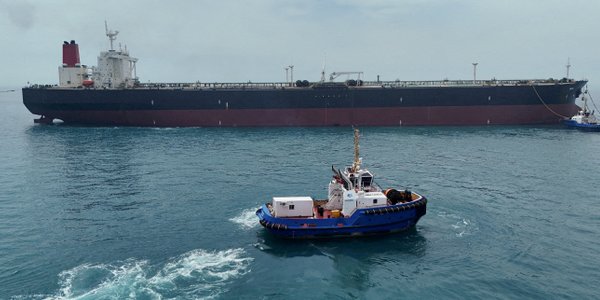
Iran has declared that the Strait of Hormuz will not revert to its pre-war operational status, irrespective of ongoing discussions with Oman concerning the vital shipping route. Esmaeil Baqaei, spokesperson for Iran's Foreign Ministry, stated in an interview with state television that the strait's functioning will change, emphasizing that it must be secured against use by nations that have acted against Iran.
The Strait of Hormuz will not return to its pre-war functioning.
Baqaei stressed the necessity of a mechanism that fully respects Iran's sovereign rights. This stance comes despite earlier reports from Iran's top diplomat, Abbas Araghchi, indicating that negotiations with Oman were in their "final phase." Baqaei clarified that this progress does not signify a complete restoration of maritime traffic to pre-war conditions.
He recalled that renewed hostilities disrupted plans for securing commercial shipping, as outlined in a memorandum with the U.S. in June. Baqaei noted that the northern route of the strait was initially safe for 22-23 days after the agreement, but an act of aggression against Iran occurred before the 30-day period for restoring pre-war traffic concluded.
We must guarantee that the Strait of Hormuz will not be used by states that have committed aggression against Iran. This requires a mechanism that fully respects Iran's sovereign rights.
According to Baqaei, the ongoing talks with Muscat aim to establish a new shipping route. He assured that Iran would not alter its position under external pressure, stating that threats or media pressure will not compel Iran to abandon its principles. Iran's actions, he asserted, will be guided solely by the nation's interests.
The belief that threats or media pressure will force Iran to abandon its principles is contrary to past experiences. We will act solely based on the interests of our country.
Baqaei concluded by linking any significant change in the Strait of Hormuz to the cessation of U.S. "aggression." He indicated that even an agreement with Oman on a route would be insufficient to reopen the strait as long as the U.S. continues what Iran deems as violations of the preliminary ceasefire agreement.
The situation will not change as long as 'aggression' from the US continues.
DistantNews Editorial
Originally published by Rzeczpospolita in Polish. Translated, summarized, and contextualized by our editorial team with added local perspective. Read our editorial standards.
More Stories

From Our Blog

What Gets Lost (and Found) When News Is Translated

The Critical Role of Diaspora Media in Global News

What Travellers Should Know About Countries with Restricted Press

A Digital Nomad's Guide to Following Local News

How the Same Story Looks Different in Different Countries
