


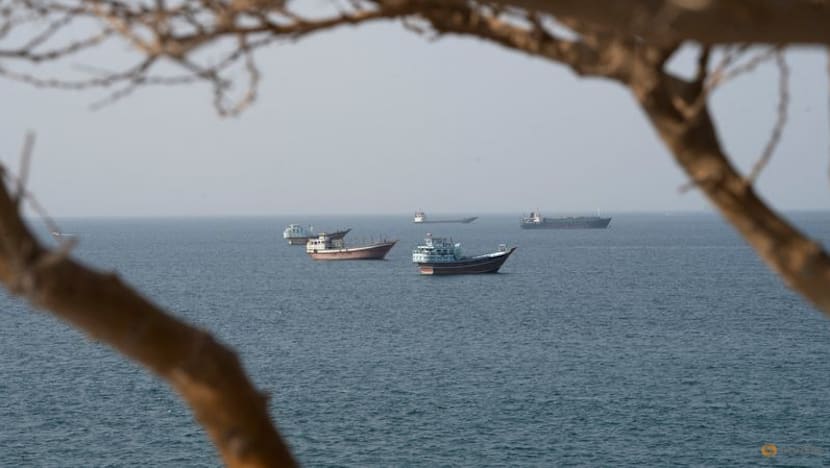
Iran: Strait of Hormuz to Remain Closed Until US Meets Deal Conditions
Translated from English, summarized and contextualized by DistantNews.
At a glance
News
Named sources
Ongoing story
- Iran states the Strait of Hormuz will remain closed until the US meets conditions of an interim deal signed in June.
- Key conditions include lifting U.S. blockades on Iranian ports, oil sanctions, and releasing frozen assets.
- Iran's top negotiator indicated a shift to an "fully offensive" posture due to stalled diplomatic efforts.
Iran's top negotiator, Mohammad Baqer Qalibaf, has declared that the Strait of Hormuz will remain closed to shipping until the United States fulfills the conditions of an interim agreement reached in June. The comments, published by state media on Tuesday, outline specific demands that Iran expects the U.S. to meet.
The Strait of Hormuz will remain shut until the US meets the conditions of an interim deal signed with Iran in June.
According to Qalibaf, these conditions include the lifting of U.S. blockades on Iranian ports, the termination of oil sanctions, the release of Iran's frozen financial assets, and an end to perceived threats and military operations by the U.S. The memorandum of understanding, initially agreed upon on June 17, reportedly faltered over disputes concerning control of the Strait of Hormuz, a vital waterway through which a significant portion of global oil and liquefied natural gas flows.
These conditions include the US lifting its blockade of Iranian ports, lifting oil sanctions, releasing Tehran's frozen assets, and ending threats and military operations on all fronts.
U.S. President Donald Trump declared the deal "over" on July 7, and Iran's foreign ministry followed suit a week later by stating it was "suspended." The MOU had stipulated that both Iran and the U.S. would negotiate a final agreement, encompassing broader issues such as Iran's nuclear program, within a maximum of 60 days, with the possibility of extension by mutual consent.
The deal was 'over'.
Adding to the escalating tensions, a senior Iranian official informed Reuters on Monday that Iran intends to adopt a "fully offensive" posture. This strategic shift is attributed to the stalled diplomatic efforts aimed at securing a permanent end to the ongoing conflict and the perceived lack of progress in fulfilling the terms of the interim deal.
Iran would now shift to a 'fully offensive' posture due to the stalled diplomatic efforts.
DistantNews Editorial
Originally published by CNA in English. Translated, summarized, and contextualized by our editorial team with added local perspective. Read our editorial standards.
More Stories


From Our Blog

What Gets Lost (and Found) When News Is Translated

The Critical Role of Diaspora Media in Global News

What Travellers Should Know About Countries with Restricted Press

A Digital Nomad's Guide to Following Local News

How the Same Story Looks Different in Different Countries
