


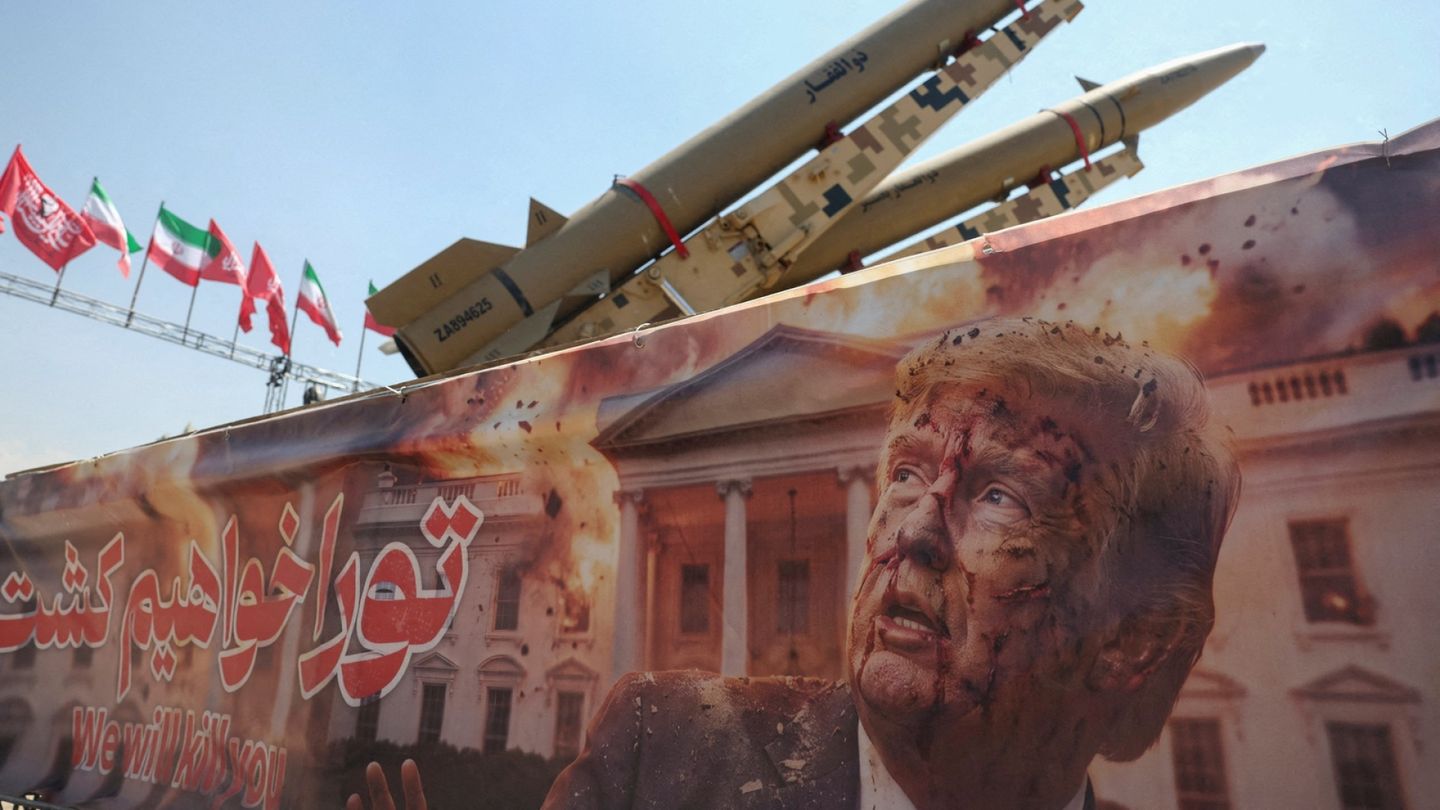
Iran threatens neighbors with strikes if they don't sway Trump to end 'war'
Translated from Finnish, summarized and contextualized by DistantNews.
At a glance
News
Named sources
Ongoing story
- Iran is reportedly threatening its Persian Gulf neighbors with widespread attacks if they do not persuade U.S. President Donald Trump to end the "war."
- The threats, which include targeting oil production and infrastructure, come after Trump warned of large-scale strikes against Iran.
- Neighboring countries like Qatar, Oman, and Saudi Arabia have reportedly urged the U.S. to continue negotiations, while Iran denies direct talks but discusses passage through the Strait of Hormuz.
Iran has launched a diplomatic campaign, reportedly threatening its Persian Gulf neighbors with extensive strikes unless they convince U.S. President Donald Trump to cease hostilities. Reuters cited sources indicating that Iran has warned of attacks on oil production and vital infrastructure in countries like Qatar, Oman, and Saudi Arabia.
These threats emerged after Trump himself threatened Iran with massive strikes on July 28, stating he could "destroy the largest part of their great country" within hours, including power plants. According to an Iranian official source cited by Reuters, Qatar, Oman, and Saudi Arabia have appealed to the U.S. to remain engaged in negotiations. The source also indicated that Iran had warned of turning the entire region into a "ball of fire" if the conflict persisted.
Trump recently claimed he had called off a planned attack on Iran at the last minute, stating that Iran and other regional nations had requested negotiations. Iran, however, denied engaging in direct talks with the U.S. but confirmed discussions with Oman regarding passage through the Strait of Hormuz. Iranian officials have suggested they are close to an agreement on this matter.
I could destroy by itself the largest part of their great country in less than an hour... I could destroy their power plants. Within one day, all of their power plants would be gone.
Reuters' Iranian source indicated that Iran seeks a 5-7% fee on cargo value passing through the Strait of Hormuz, while Oman is amenable to a 3% fee. The U.S. insists on free passage, though Trump has previously demanded up to a 20% share for securing maritime traffic. Ensuring passage through the Strait of Hormuz has become a key objective for Trump in ending the conflict, as disruptions have impacted global oil and gas transport and contributed to economic difficulties.
Since July 25, both the U.S. and Iran have largely refrained from direct attacks, paving the way for a diplomatic resolution. Prior to this, intense U.S. bombing campaigns and Iranian retaliatory strikes, including one on a U.S. base in Jordan that killed three American soldiers, had escalated tensions. The conflict has resulted in thousands of Iranian deaths and at least 18 American soldiers killed, with hundreds more wounded. The U.S.'s willingness to re-engage in large-scale warfare may also be tempered by shortages in missiles and missile defense capabilities.
The report is interim and the investigation continues to uncover more details to file criminal charges against Adeyemi and his collaborators.
DistantNews Editorial
Originally published by Helsingin Sanomat in Finnish. Translated, summarized, and contextualized by our editorial team with added local perspective. Read our editorial standards.
More Stories


From Our Blog

What Gets Lost (and Found) When News Is Translated

The Critical Role of Diaspora Media in Global News

What Travellers Should Know About Countries with Restricted Press

A Digital Nomad's Guide to Following Local News

How the Same Story Looks Different in Different Countries
