


Iran Threatens to Block Gulf Trade Amid U.S. Sanctions
Translated from Malay, summarized and contextualized by DistantNews.
TLDR
- Iran has threatened to block maritime trade in the Persian Gulf, the Sea of Oman, and the Red Sea if the U.S. continues its maritime sanctions against the country.
- The threat comes after U.S. sanctions on the Strait of Hormuz, aimed at preventing ships from entering or leaving Iranian ports, failed to yield progress in recent peace talks.
- The U.S. has reportedly deployed additional troops to the Middle East, with reports suggesting further offensive operations are being considered if the fragile ceasefire between Iran, the U.S., and Israel collapses.
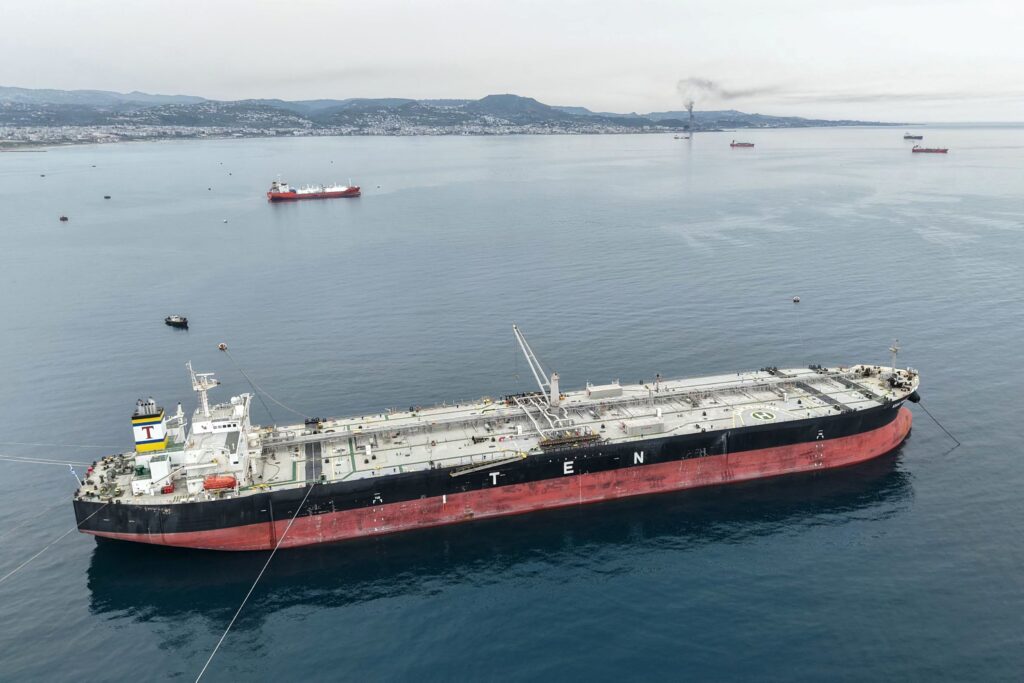
Iran has issued a stern warning, threatening to disrupt vital shipping lanes in the Persian Gulf, Sea of Oman, and Red Sea should the United States persist with its maritime sanctions. This bold declaration by Iran's top military commander, Ali Abdollahi, directly challenges the U.S. blockade imposed on the Strait of Hormuz, a move explicitly designed to impede vessels bound for Iranian ports. The commander's statement frames the U.S. actions as a provocation that jeopardizes the fragile ceasefire, implying that Iran will not hesitate to retaliate by halting all import and export activities in the region.
Iran will block the flow of import and export in the Gulf, the Sea of Oman, and the Red Sea if the United States continues its maritime sanctions against the country.
The context for this escalation lies in the recent failure of peace talks held in Islamabad, which followed a two-week ceasefire. The U.S. sanctions, implemented after these talks stalled, underscore the deep-seated tensions between the two nations. Iran's assertion of its right to defend its sovereignty and interests is a clear message that it will not be intimidated by U.S. pressure. The article also references past escalations, including joint U.S.-Israel attacks that resulted in the deaths of high-ranking Iranian officials and civilians, and Iran's subsequent missile and drone strikes targeting Israeli and U.S. assets.
Adding to the volatile situation, reports indicate that the Pentagon is reinforcing its military presence in West Asia by deploying thousands of additional troops. This buildup, which includes significant naval assets like the USS George H.W. Bush aircraft carrier and the Boxer Amphibious Ready Group, suggests that the U.S. is preparing for various contingencies. The Washington Post reports that the Trump administration is contemplating further offensive actions or ground operations should the current ceasefire falter. This military posturing, coupled with Iran's threats, creates a highly charged environment where any miscalculation could have severe consequences.
Iran's armed forces will not allow any exports and imports to continue in the Gulf, the Sea of Oman, and the Red Sea.
Meanwhile, White House Press Secretary Karoline Leavitt has denied that the U.S. ceasefire with Iran will be extended, while simultaneously expressing optimism about ongoing negotiations. This statement reflects a complex diplomatic and military strategy, balancing the pursuit of a peace agreement with the readiness to employ force. From our perspective in Malaysia, this ongoing standoff highlights the precarious balance of power in the Middle East and the potential for regional instability to impact global trade routes, particularly those crucial for energy supplies.
The Trump administration is also considering the possibility of additional attacks or ground operations if the fragile ceasefire fails to hold.
DistantNews Editorial
Originally published by Utusan Malaysia in Malay. Translated, summarized, and contextualized by our editorial team with added local perspective. Read our editorial standards.
More Stories



From Our Blog

What Gets Lost (and Found) When News Is Translated

The Critical Role of Diaspora Media in Global News

What Travellers Should Know About Countries with Restricted Press

A Digital Nomad's Guide to Following Local News

How the Same Story Looks Different in Different Countries
