

Iran to manage Strait of Hormuz, vows 'never return to pre-war state'
Translated from German, summarized and contextualized by DistantNews.
At a glance
News
From a news agency
New plan
- Iran's chief negotiator Mohammad Baqer Qalibaf announced that Iran will manage the Strait of Hormuz in accordance with international law.
- This statement followed talks with U.S. representatives in Switzerland, where a roadmap for a peace agreement was reportedly established.
- While progress was made, the Iranian nuclear program remains a point of contention, with the U.S. seeking to prevent Iran from acquiring nuclear weapons.
Iran intends to manage the Strait of Hormuz, a critical global maritime chokepoint, asserting its right to do so in accordance with international law. This declaration comes after recent negotiations with U.S. representatives in Switzerland, according to state media reports.
The Strait of Hormuz will never return to the pre-war state, but will be managed in accordance with international law by the Islamic Republic of Iran.
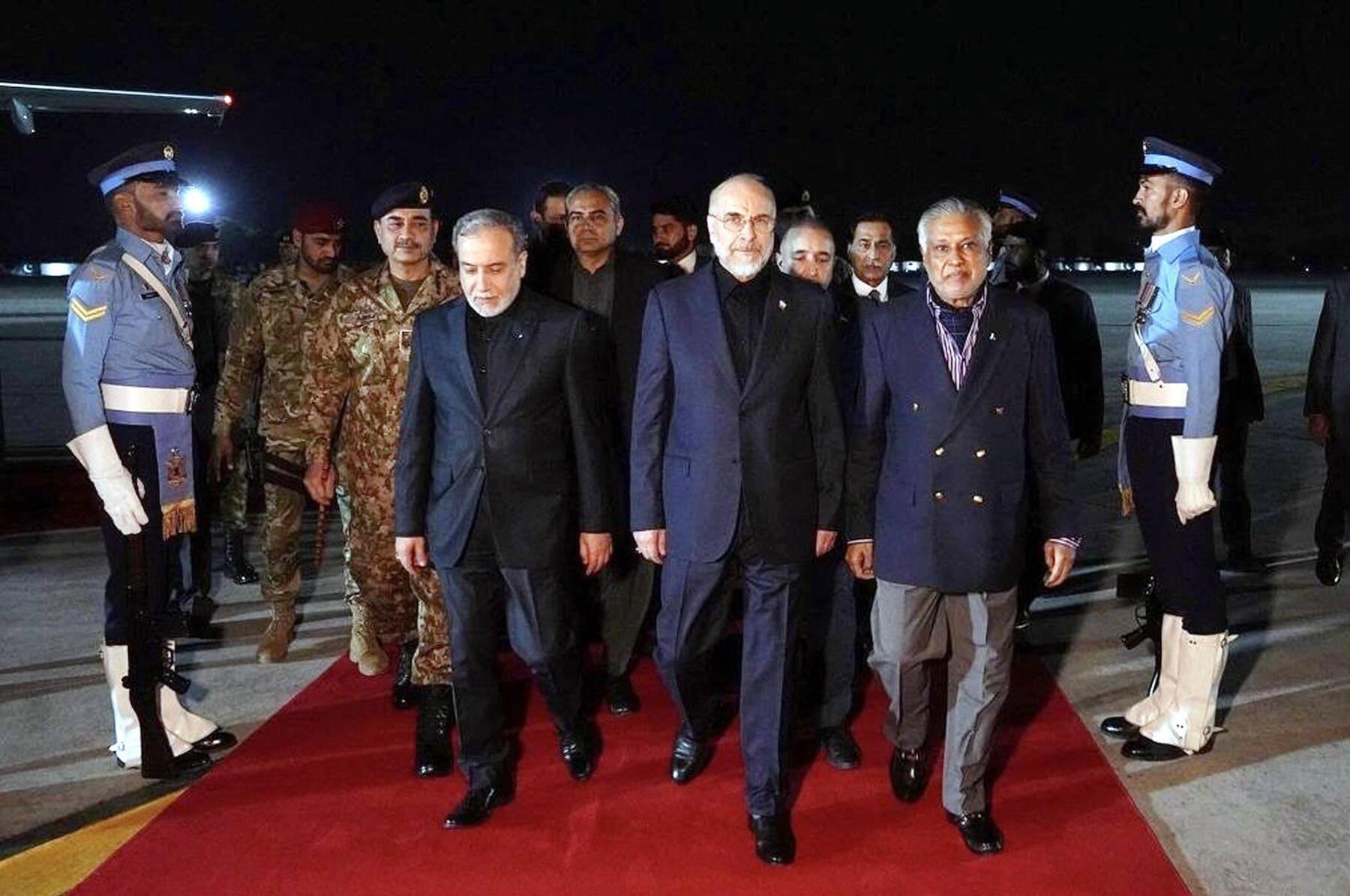
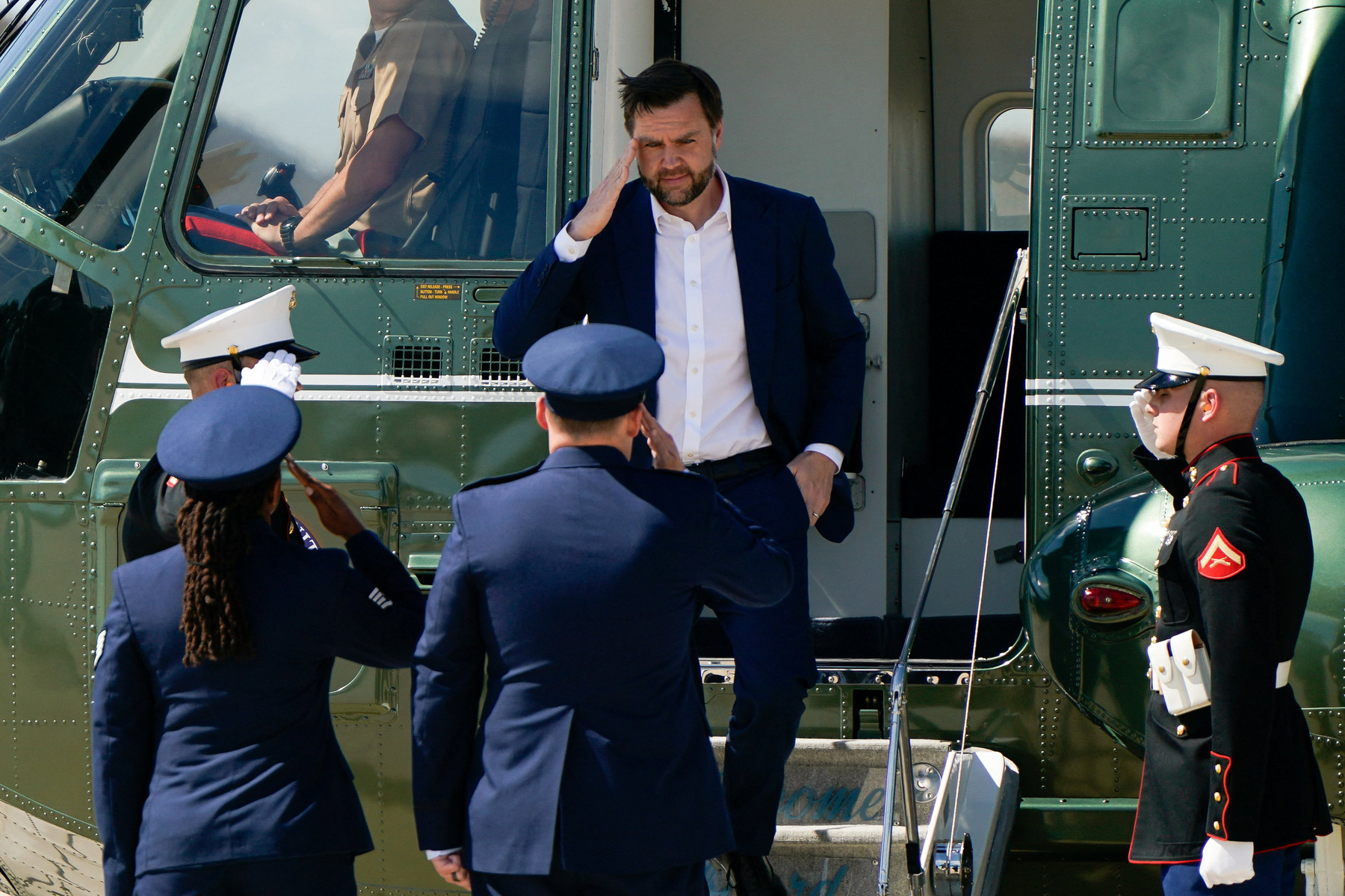
Mohammad Baqer Qalibaf, Iran's chief negotiator and Parliament speaker, stated that the Strait of Hormuz "will never return to the pre-war state, but will be managed in accordance with international law by the Islamic Republic of Iran." Qalibaf made these remarks upon his return from Bürgenstock, Switzerland, where talks were held with a U.S. delegation led by Vice President JD Vance. The discussions reportedly resulted in a roadmap for a regional peace agreement, with mediators Qatar and Pakistan aiming for a final accord within 60 days.
Both U.S. Vice President Vance and Iran's Foreign Minister Abbas Araqchi described the talks as productive, with Vance noting a "very good foundation for a successful final agreement." However, the Iranian nuclear program continues to be a significant point of divergence. The U.S. is focused on preventing Iran from developing nuclear weapons, a goal Tehran denies pursuing.
We have created a very good foundation for a successful final agreement.
According to Vance, Iran agreed to "invite" International Atomic Energy Agency (IAEA) inspectors back into the country, which he called "the first step toward permanent denuclearization." U.S. President Donald Trump also reiterated the need for Iran to allow IAEA inspections. However, Iran's stance on the nuclear issue appears more reserved. The Foreign Ministry stated that while the nuclear question was briefly discussed, no details were debated, and negotiations on the matter have not commenced. Iran maintains that its cooperation with the IAEA will continue within existing frameworks, without entering into new commitments.
There was a very short debate on the nuclear issue. The issue was raised by the U.S., but no details were discussed, and one cannot say that negotiations on the nuclear issue have begun.
DistantNews Editorial
Originally published by Die Presse in German. Translated, summarized, and contextualized by our editorial team with added local perspective. Read our editorial standards.
More Stories


From Our Blog

What Gets Lost (and Found) When News Is Translated

The Critical Role of Diaspora Media in Global News

What Travellers Should Know About Countries with Restricted Press

A Digital Nomad's Guide to Following Local News

How the Same Story Looks Different in Different Countries
