

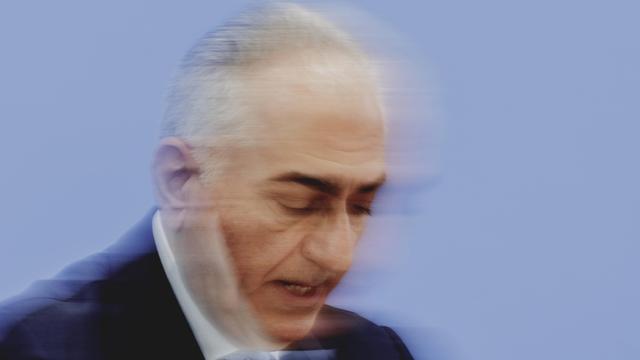

Iran, US and the Ceasefire: Tehran Continues to See Differences with Washington
Translated from German, summarized and contextualized by DistantNews.
TLDR
- Iran and the United States continue to have significant differences in their peace negotiations, despite some progress, according to Tehran.
- Iran's Parliament Speaker Mohammad Bagher Ghalibaf stated that while some issues have been resolved, others remain unresolved, and a final agreement is still distant.
- Ghalibaf also commented on the Strait of Hormuz, criticizing a US blockade decision as "foolish and ignorant" and stating Iran controls shipping traffic through the waterway.
Tehran maintains that substantial disagreements persist with Washington in ongoing peace talks, even as both sides acknowledge some headway. Iran's Parliament Speaker, Mohammad Bagher Ghalibaf, articulated this stance in an interview with the state news agency Tasnim, asserting that while certain points of contention have been settled, a significant gap remains, placing a definitive accord far from reach. This perspective, as reported by Der Spiegel, reflects Iran's cautious and firm position in its diplomatic engagements.
There are still great differences between the two states.
Ghalibaf specifically addressed the volatile situation surrounding the Strait of Hormuz. He declared Iran's control over all maritime traffic through this critical global oil chokepoint. This assertion comes after Iran reversed its earlier announcement to open the strait, subsequently implementing military measures against vessels. Ghalibaf characterized the US decision to impose a blockade as both "foolish and ignorant," signaling Iran's strong opposition and its readiness to assert its control over the strategic waterway.
We are still far from a final agreement.
From Iran's viewpoint, the narrative presented by Ghalibaf underscores a national strategy of asserting sovereignty and responding assertively to perceived external pressures. The emphasis on controlling the Strait of Hormuz is a clear demonstration of Iran's geopolitical leverage. While US President Donald Trump has downplayed the impact of the blockade, claiming Iran cannot "blackmail" them and that talks are progressing well, the Iranian perspective, as articulated by Ghalibaf, highlights a distinct interpretation of the negotiations and the regional power dynamics. This divergence in framing—Iran's emphasis on control and US's on de-escalation—is central to understanding the complexities of their relationship and the ongoing diplomatic standoff.
The decision of the United States to impose a blockade was foolish and ignorant.
DistantNews Editorial
Originally published by Der Spiegel in German. Translated, summarized, and contextualized by our editorial team with added local perspective. Read our editorial standards.
More Stories


From Our Blog

What Gets Lost (and Found) When News Is Translated

How the Same Story Looks Different in Different Countries

The Critical Role of Diaspora Media in Global News

What Travellers Should Know About Countries with Restricted Press

A Digital Nomad's Guide to Following Local News
