

Iran-US peace talks deadline looms as divisions deepen
Translated from Finnish, summarized and contextualized by DistantNews.
At a glance
News
From a news agency
Ongoing story
- US-Iran nuclear talks are set to expire Monday with parties further apart than ever.
- The agreement, signed in mid-June, was supposed to lead to a final peace deal within 60 days, focusing on opening the Strait of Hormuz and lifting US sanctions.
- Progress on both fronts has stalled, with Iran threatening to escalate regional tensions and break the US maritime blockade if diplomacy fails.
The deadline for U.S.-Iran peace talks looms Monday, with the Associated Press reporting that the parties are more distant than ever. The interim agreement, signed in mid-June, stipulated a 60-day window for a final peace deal.
The interim agreement began to unravel just weeks after its signing. Iran fired on ships using a route near the Omani coast to bypass Iranian control of the strait.
Negotiations centered on reopening the vital Strait of Hormuz and lifting U.S. sanctions on Iran. However, significant progress on these fronts remains elusive. The core of the agreement, as stated by U.S. President Donald Trump in June, was Iran's assurance that it would never obtain nuclear weapons. Yet, by mid-August, talks on Iran's nuclear program had not practically begun.
The interim deal began to unravel just weeks after its signing. Iran fired on ships using a route near the Omani coast to bypass Iranian control of the strait. The U.S. responded with strikes on Iran, which Iran retaliated against by attacking Arab nations hosting American troops, including Jordan, Kuwait, and Bahrain. Both sides accused each other of violating the agreement.
The core of the agreement, as stated by U.S. President Donald Trump in June, was Iran's assurance that it would never obtain nuclear weapons.
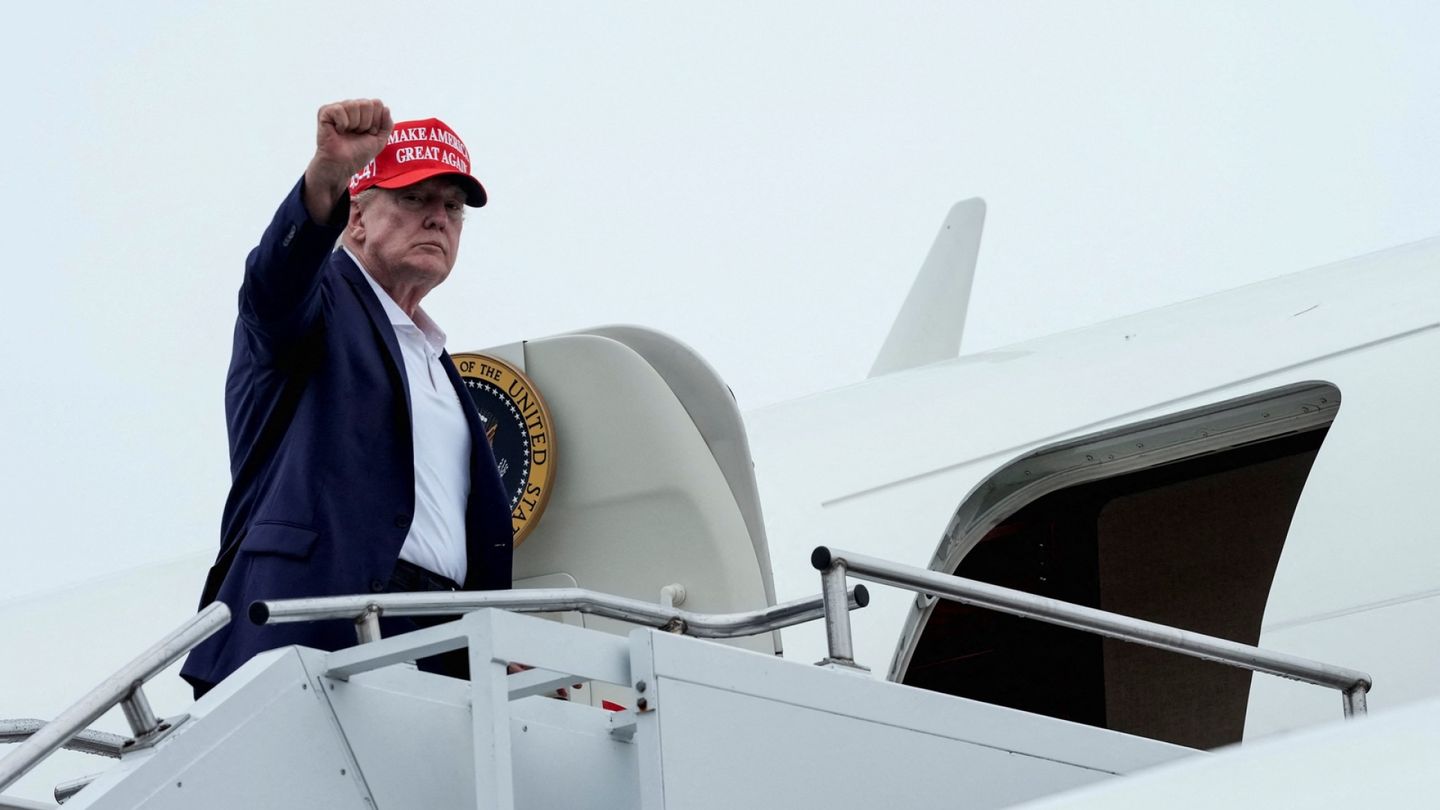
Relations have remained tense. Trump recently claimed he would soon declare the Strait of Hormuz a U.S. territory, to which Iran responded by stating it would not yield to threats or displays of force. The U.S. has also imposed a maritime blockade on Iran in recent months.
The U.S. responded with strikes on Iran, which Iran retaliated against by attacking Arab nations hosting American troops, including Jordan, Kuwait, and Bahrain.
Iran appears frustrated with the situation, with Reuters reporting that the country has given the U.S. a few weeks to fully implement the interim agreement. If diplomacy fails, Iran intends to escalate regional tensions and break the U.S. blockade, shifting its focus from defense to offense. An Iranian official told Reuters that the U.S. does not take a ceasefire seriously, making reliance on mediators unrealistic. With Trump showing no signs of compromise, the stalemate between the two nations appears set to continue.
Trump claimed he would soon declare the Strait of Hormuz a U.S. territory, to which Iran responded by stating it would not yield to threats or displays of force.
DistantNews Editorial
Originally published by Helsingin Sanomat in Finnish. Translated, summarized, and contextualized by our editorial team with added local perspective. Read our editorial standards.
More Stories

From Our Blog

What Gets Lost (and Found) When News Is Translated

The Critical Role of Diaspora Media in Global News

What Travellers Should Know About Countries with Restricted Press

A Digital Nomad's Guide to Following Local News

How the Same Story Looks Different in Different Countries
