

Iran War Drains U.S. Missile Arsenals to Dangerously Low Levels
Translated from German, summarized and contextualized by DistantNews.
At a glance
News
Named sources
Context piece
- The U.S. military is experiencing a significant depletion of interceptor missiles, particularly THAAD and Patriot systems, due to the Iran War.
- Reports indicate that approximately four-fifths of THAAD missiles and two-thirds of Patriot missiles have been expended, raising concerns about critically low stockpiles.
- The depletion extends to other precision munitions like ATACMS, PrSM, and Tomahawk missiles, prompting worries about readiness for wider conflicts, though production is ramping up.
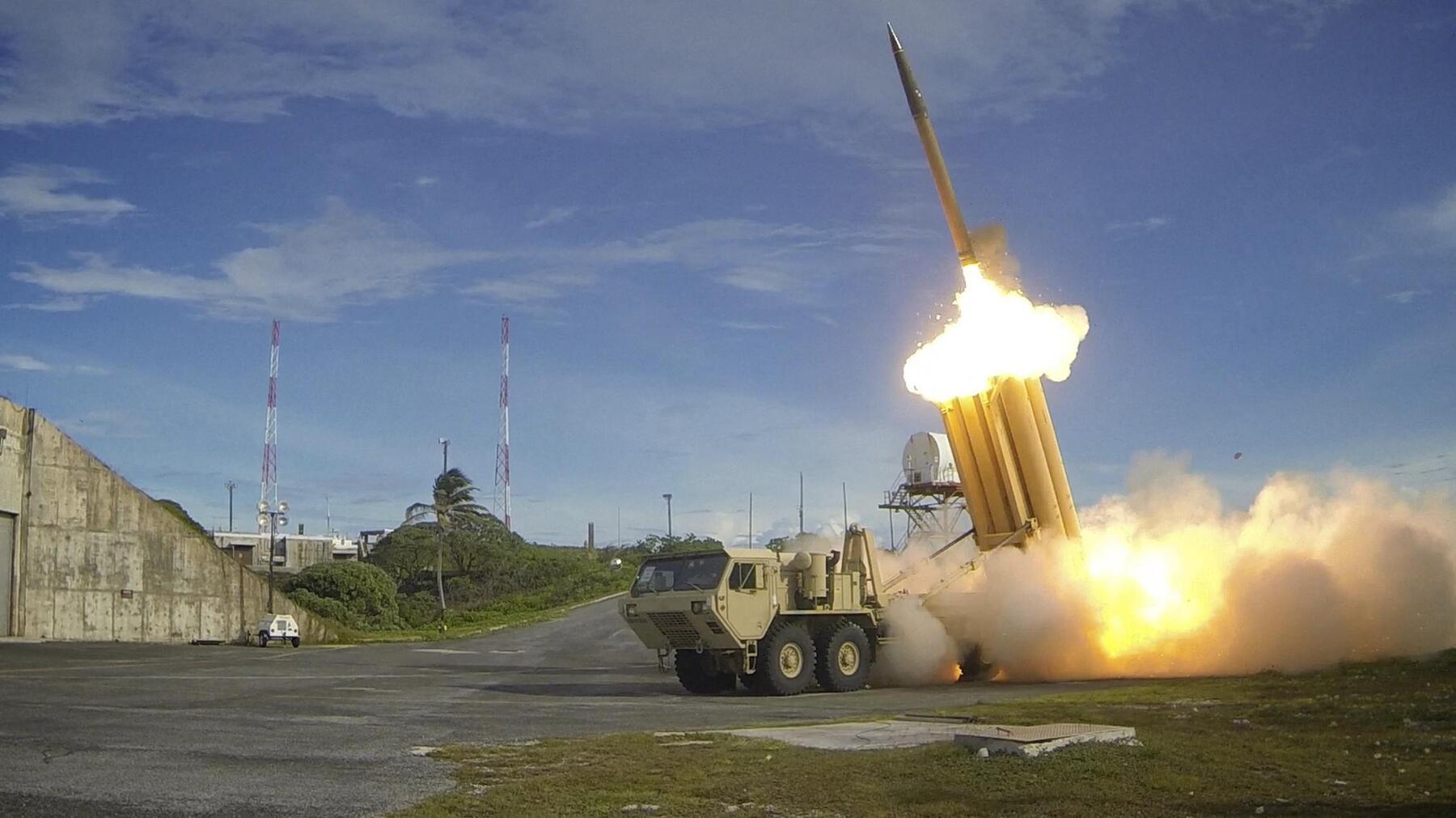
The U.S. military faces a critical shortage of interceptor missiles, with "dangerously low" stockpiles reported by CNN, citing insider sources. The ongoing conflict in Iran has significantly depleted the nation's arsenal, particularly its THAAD and Patriot missile defense systems.
According to the Center for Strategic and International Studies (CSIS), the U.S. had over 450 THAAD missiles and more than 2,200 Patriot systems before the war. Recent analyses suggest that roughly 80% of interceptor missiles have been used, a figure that has caused concern among defense officials. This depletion has reportedly influenced President Trump's decisions, including the cancellation of a planned large-scale attack on Iran.
The shortage is not limited to missile defense systems. Reports indicate that the military has also expended nearly all of its long-range surface-to-air missiles, including high-precision ATACMS and the newer PrSM. Furthermore, an estimated half of the Tomahawk cruise missile inventory has been used. While production lines are reportedly running at full capacity, the long manufacturing times mean replenishing these critical stocks will take considerable time. This situation raises concerns about the U.S. military's readiness for potential conflicts beyond the current engagement in Iran, especially if a wider war were to erupt.
DistantNews Editorial
Originally published by Die Presse in German. Translated, summarized, and contextualized by our editorial team with added local perspective. Read our editorial standards.
More Stories



From Our Blog

What Gets Lost (and Found) When News Is Translated

The Critical Role of Diaspora Media in Global News

What Travellers Should Know About Countries with Restricted Press

A Digital Nomad's Guide to Following Local News

How the Same Story Looks Different in Different Countries
